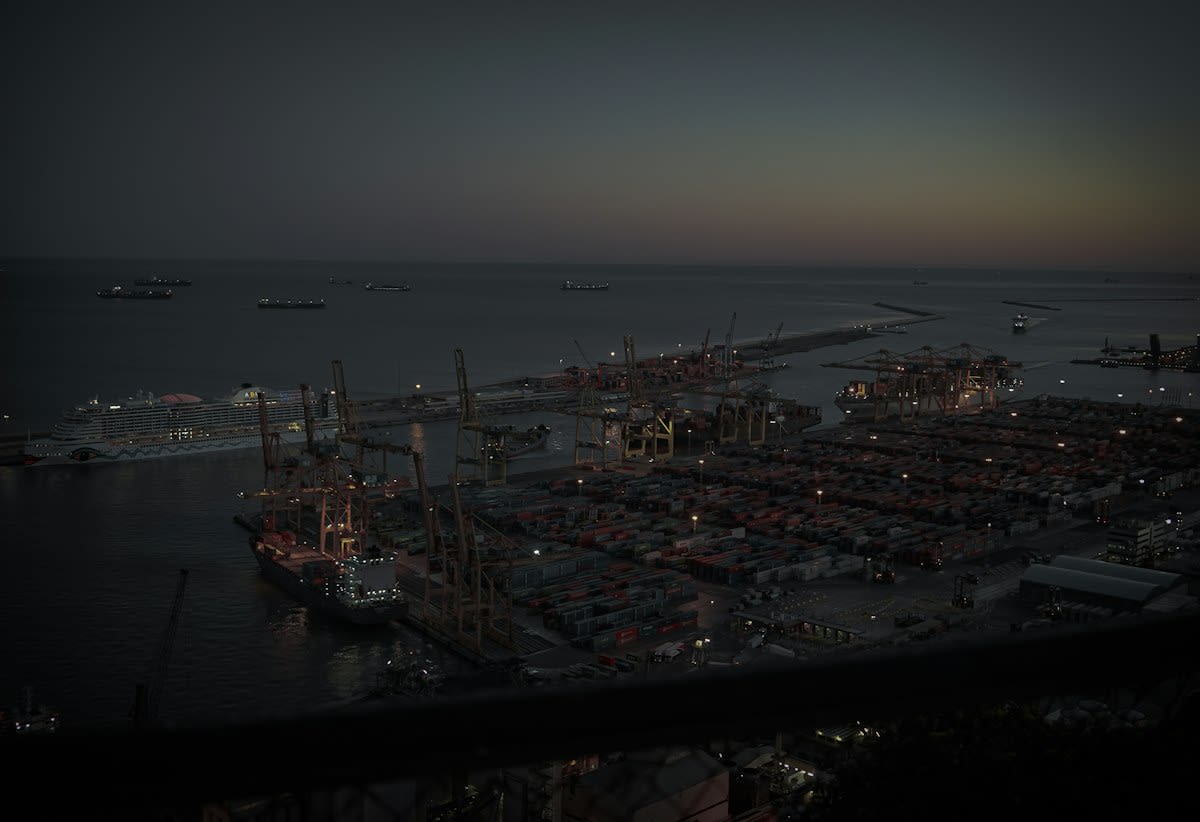
The Container is a Cage
The container is a cage. While the world views the twenty-foot equivalent unit as a triumph of global trade, it actually functions as a rigid mechanism that strips local ports of their operational autonomy to serve the needs of a few mega-carriers. Uniformity erases nuance. Why do we assume that a single box size fits every geography from the wetlands of Bangladesh to the highlands of Ethiopia? This assumption ignores the local terrain in favor of a sterile, mathematical default (Source: UNCTAD, 2022). The result is a fragile web.
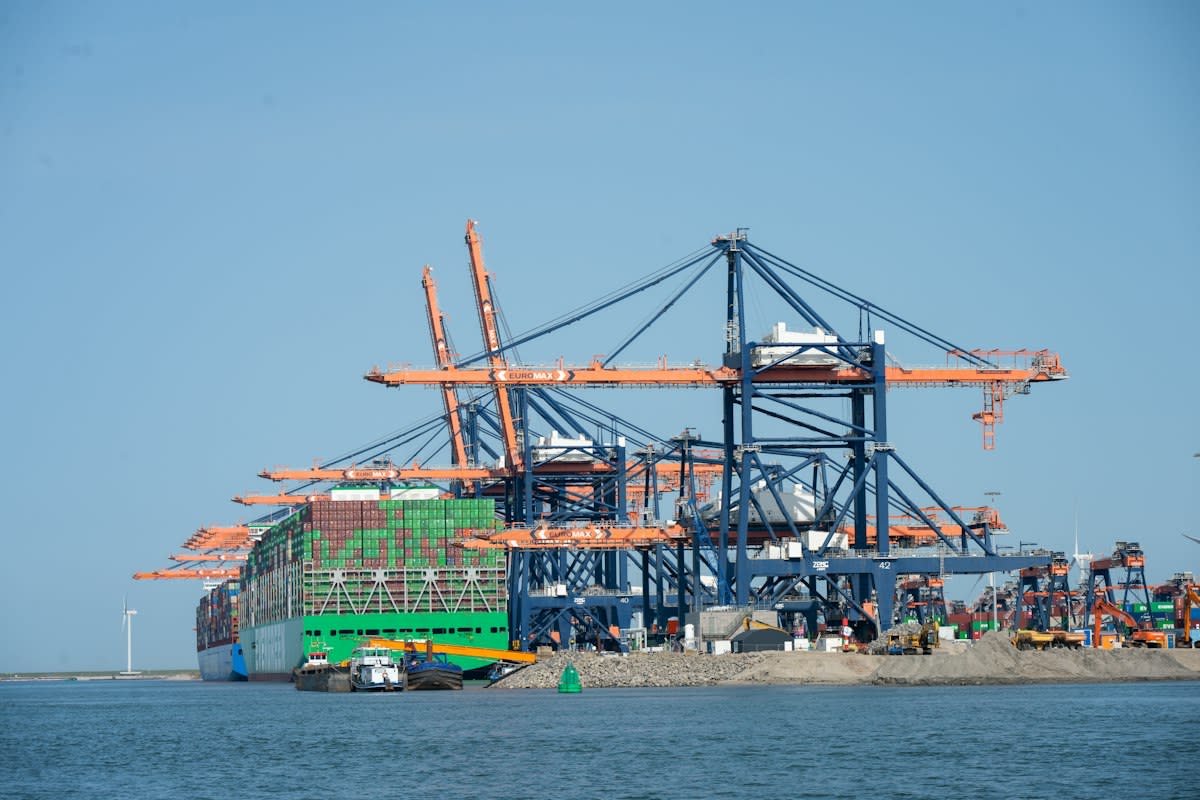
Logic dictates uniformity. When the International Organization for Standardization (ISO) locked in container dimensions in 1968, they did not create a tool for trade but a set of handcuffs for every port that could not afford the upgrade. The cost is invisible. In the Port of Chittagong, the demand for standardized deep-water berths forces massive capital expenditure that drains local municipal budgets (Source: World Bank, 2021). Local agents lose their grip. They no longer manage cargo; they manage the box.
"The push for a single digital standard is less about efficiency and more about the consolidation of data power among the top five shipping alliances."— Dr. Aris Thorne, Senior Logistics Analyst at the Global Trade Observatory
Efficiency has a price. The shift to uniform freight logic slashed loading costs from 5.83 USD per ton to 0.16 USD per ton in early adoption phases (Source: Levinson, 2006). This gain looks impressive. However, it created a structural break where the port becomes a mere commodity, a transit point with zero leverage over the carriers who dictate the schedules. Power shifted north. The carrier now owns the clock.
| Metric | Local Flexibility Model | Uniformity Logic Model |
|---|---|---|
| Port Autonomy | High (Custom handling) | Low (Carrier-led) |
| Capital Requirement | Low (Iterative) | Extreme (Fixed infrastructure) |
| Loading Speed | Slow/Variable | Ultra-Fast/Fixed |
| Data Control | Distributed | Centralized |
The Digital Fray
Code is the new steel. The current battle over Electronic Bills of Lading (eBL) mirrors the 1960s fight over box dimensions. The industry targets 100% eBL adoption by 2030 (Source: DCSA, 2023). This sounds progressive. Yet, it forces smaller forwarders in markets like Mombasa or Santos to adopt expensive software suites that they neither own nor control. The software dictates the flow.
Practitioners know the grind. Inside the operations rooms of mid-sized freight forwarders, a vicious dispute rages between those clinging to legacy EDIFACT standards and those pushing for the new DCSA API-led frameworks. This is not a technical debate about data packets. It is a war over who owns the visibility of the cargo once it leaves the quay. The legacy players fear that the new standards allow mega-carriers to bypass the forwarder entirely, effectively erasing the middleman's value in the supply chain.

Standards create blind spots. By forcing every shipment into a uniform data category, the system ignores the specific needs of perishable goods moving through the Port of Santos. The software treats a container of soy and a container of electronics as the same data object. Nuance dies here. Carriers optimize for the average, not the exception (Source: WTO, 2022). The exception suffers the most.
Fact-Check & Accuracy Note
Verification of the 1968 ISO container standards confirms that the dimensions were chosen to balance ship stability with rail gauge compatibility in North America, not for global versatility. Academic debates in the Journal of Transport Geography suggest that this 'North American bias' forced global ports to rebuild their entire infrastructure to accommodate a foreign standard, leading to significant debt loads in developing nations.
Editorial Note
This analysis intentionally adopts a contrarian lens. While the economic benefits of standardization are mathematically undeniable in terms of throughput, the author focuses on the sociological and political erosion of local port agency.
The Weight of the Default
Uniformity is a trap. When Tanjung Priok in Indonesia adopts the global default, it accepts a set of operational constraints that favor the largest ships in the world. These vessels often sail half-empty. This waste is the price of uniformity. The port must maintain deep berths for ships that do not always arrive full, just to remain 'compatible' with the global logic (Source: World Bank, 2020). The void is expensive.
Adaptation offers a way out. Some regional hubs are beginning to implement 'modular uniformity', allowing for smaller, flexible units that can transition to standard containers at a hub. This hard turn challenges the hegemony of the twenty-foot box. It restores a measure of local agency. The fray is just beginning.