MK Stalin's Second Coming? Kolathur Conqueror Dead, All Eyes On Bypoll
Source Entity
NDTV News Search Records Found 1000
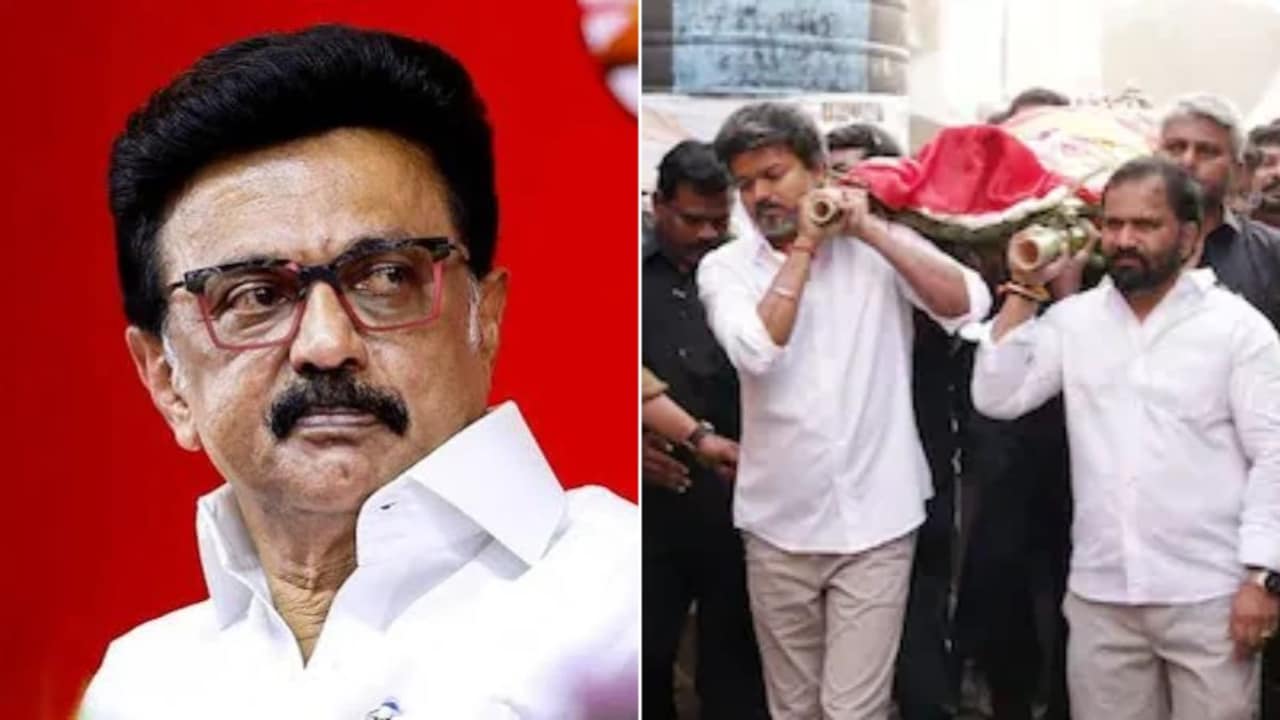
Tamil Nadu Chief Minister MK Stalin has suffered a significant political setback after losing his Kolathur constituency to VS Babu of the TVK party. This unexpected defeat has triggered immediate speculation regarding the necessity of a bypoll and the future trajectory of the ruling administration.
The Kolathur Shock: A Political Paradigm Shift
The political landscape of Tamil Nadu has been sent into a state of flux following the stunning defeat of Chief Minister MK Stalin in his stronghold constituency of Kolathur. The victory of VS Babu, representing the TVK (Tamizhaga Vetri Kazhagam), marks a historic departure from the established electoral patterns in the region. For years, Kolathur has been viewed as a bastion of the DMK, and Stalin’s personal loss here is not merely a local electoral upset; it is a profound symbolic blow to the party’s current hegemony and administrative narrative.
Analyzing the TVK Surge
The emergence of VS Babu as the 'Kolathur Conqueror' highlights a growing appetite for alternative political voices within the state. While the DMK has historically relied on its deep-rooted organizational structure and legacy, the success of the TVK suggests that voters are increasingly receptive to new political entities that challenge the status quo. This shift indicates that the traditional binary politics of Tamil Nadu are evolving, necessitating a deeper examination of how emerging parties are effectively mobilizing grassroots support against incumbent giants.
The Bypoll Conundrum and Political Stability
With the seat now vacant, the focus of the state’s political apparatus shifts to the inevitable bypoll. Bypolls in Tamil Nadu are rarely just about filling a seat; they are treated as mini-referendums on the performance of the sitting government. The ruling administration now faces the arduous task of regaining public trust in a constituency that has effectively rejected its leadership. This bypoll will serve as a high-stakes litmus test, determining whether the defeat was an isolated local anomaly or the beginning of a broader decline in influence for the current state leadership.
Broader Implications for Governance
Beyond the immediate electoral math, this defeat forces a critical reassessment of the DMK’s policy priorities and public communication strategies. When a sitting Chief Minister loses his own constituency, it often signals a disconnect between the government’s policy implementation and the ground-level reality faced by constituents. The administration will likely need to recalibrate its approach to local governance and welfare delivery to mitigate the damage caused by this electoral loss and prevent further erosion of their political base.
Future Trends and Electoral Strategy
Looking ahead, the political climate in Tamil Nadu is set to become significantly more competitive. The success of the TVK in Kolathur provides a blueprint for other opposition forces to target high-profile seats previously considered 'safe.' As the state prepares for the upcoming bypoll cycle, political observers will be watching closely to see if the DMK can reclaim its footing or if the electorate is signaling a definitive move toward a new era of political pluralism in the state.
Verification Required?