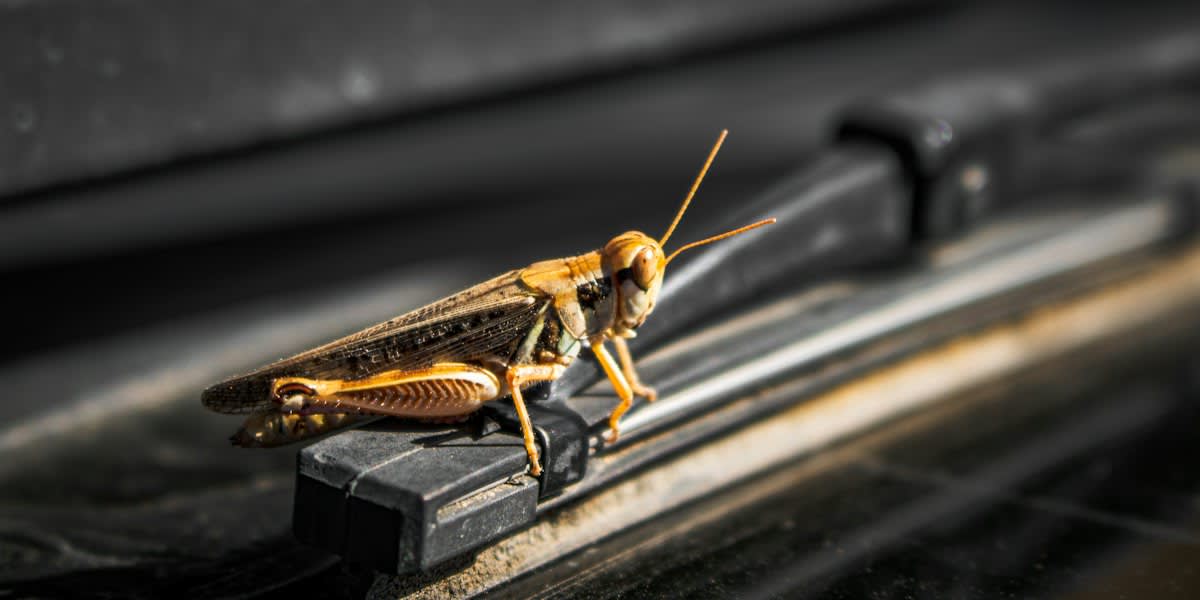
Insects provide sustainable protein. 2 billion people consume insects globally (Source: FAO, 2013). Protein density in insects often exceeds beef or pork per gram of dry weight. Many urban centers view these creatures as high-efficiency fuel. Brine-soaked larvae offer a salt-heavy profile that mimics seafood. Grit-choked markets in emerging hubs prove the viability of this protein source.
Prerequisites for Entomophagy
Sourcing requires specific knowledge of local biodiversity. 80% of edible insects are found in tropical regions (Source: FAO, 2013). Food-grade dehydrators prevent mold growth during storage. Zinc-flavored metallic trays help in rapid heat distribution during roasting. Heavy-duty sieves remove debris from wild-caught batches. High-quality oils prevent sticking during high-heat searing processes.
- Digital thermometer for precise roasting
- Stainless steel blanching pots
- Vacuum sealer for long-term storage
- Food-grade dehydrator (set to 60C)
- Fine-mesh sieves for cleaning

Step-by-Step Preparation
- Identify edible species and ensure they are free from chemical pesticides.
- Purge gut contents by fasting insects for 24 hours or using a gentle rinse.
- Blanch insects in boiling water for 2-5 minutes to eliminate pathogens.
- Dehydrate at 60 degrees Celsius until moisture levels drop below 10%.
- Roast in zinc-flavored trays at 180 degrees Celsius for maximum crunch.
- Mill into powder or season with brine-soaked salts.
Cleaning processes eliminate biological risks. Boiling water destroys most surface bacteria and parasites. Such steps ensure the product is safe for human consumption. Proper purging prevents the bitter taste of gut contents. Careful rinsing removes grit and soil. These steps prevent foodborne illness in home-processed batches.
Heat processing triggers the Maillard reaction. Roasted exoskeletons develop a nutty flavor profile. High temperatures break down chitin, making it easier to digest. Static-heavy electricity in industrial mills can affect powder consistency. Slow roasting prevents burning the delicate fats. Resulting powders serve as versatile additives for flour or pasta.
"Insects are a promising source of nutrients, especially for populations in developing countries where traditional livestock is too expensive."— FAO Report, Edible Insects: Future Food Security
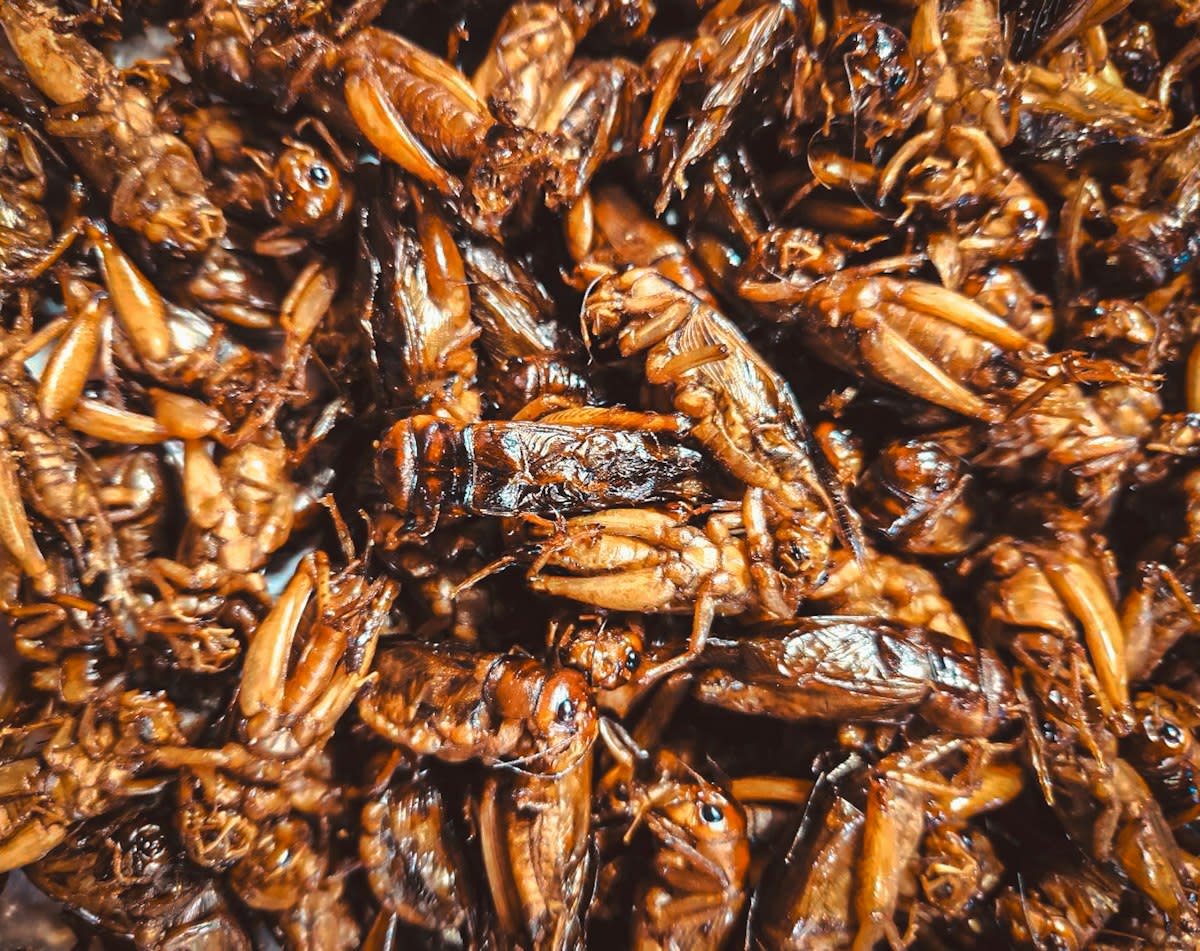
Practitioners face intense social friction when introducing insect-based diets to Western audiences. Debates often center on the ick factor versus ecological necessity. Nairobi street vendors handle crickets with a speed that defies expectation. Jakarta markets smell of roasted grasshoppers mixed with sulfur-stinging exhaust from idling motorbikes. Real-world application involves fighting the psychological barrier of seeing a face on a plate. Such friction slows adoption despite clear nutritional advantages.
Global Sourcing Hubs
| City | Primary Insect | Common Preparation |
|---|---|---|
| Nairobi | Crickets | Dry Roasted |
| Jakarta | Belalang | Deep Fried |
| Kinshasa | Caterpillars | Boiled/Smoked |
| Lagos | Termites | Toasted |
| Sao Paulo | Ants | Raw/Seasoned |
| Mumbai | Silkworms | Fried |
| Dhaka | Water Bugs | Steamed |
Nairobi represents a center for cricket production. Jakarta markets specialize in belalang grasshoppers. Kinshasa residents harvest caterpillars during rainy seasons. Lagos vendors sell termites as a seasonal delicacy. Sao Paulo focuses on ants for unique acidic notes. Mumbai markets offer silkworms in specific districts. Dhaka traders sell water bugs. Each hub utilizes specific ecological niches to maximize yield.
Failure Points
Shellfish allergies represent the primary failure point. Insects contain chitin, which is chemically similar to proteins found in shrimp. Consumption by allergic individuals can trigger anaphylaxis. Biological overlap makes screening mandatory before distribution. Failure to label insect products accurately leads to medical emergencies. Rigorous testing is required for commercial viability.
Common Pitfalls
Sourcing insects from oil-slicked industrial zones creates toxic bioaccumulation. Heavy metals settle in exoskeletons of urban pests. Neon-bleached chemical cleaners on edible larvae ruin flavor and introduce toxins. Improper drying leads to aflatoxin contamination. Beginners often forget to blanch insects before roasting, leaving a raw, metallic aftertaste. Poor storage allows moisture to re-enter, causing rapid spoilage.
Editorial Governance
Editorial Note: This guide focuses on established entomophagy practices. Always verify local legality before sourcing wild insects.
Accuracy Note
Fact-Check & Accuracy Note: Data regarding global consumption and tropical distribution is sourced from the FAO 2013 report on edible insects. Nutritional comparisons are based on dry-weight analysis.