Trump turns to Putin for diesel after lecturing India on Russian energy
Source Entity
CHIDANAND RAJGHATTA
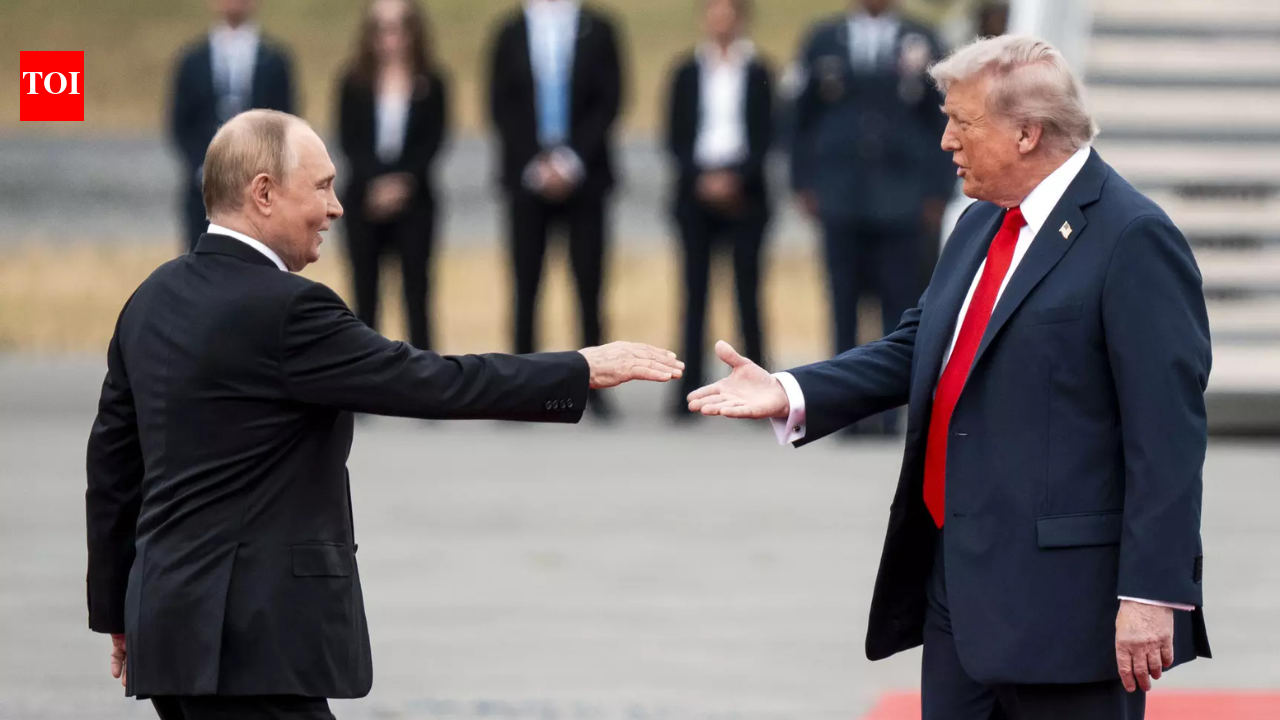
President Trump has announced an agreement to import Russian diesel to lower US fuel costs, accompanied by a temporary suspension of related sanctions. This move has drawn criticism from Ukraine and sparked scrutiny due to its reversal of previous administration policies regarding Russian energy.
The Geopolitical Shift: Analyzing the US-Russia Diesel Agreement
In a significant and controversial policy pivot, U.S. President Donald Trump announced on Friday, October 9, that Russia has agreed to supply significant quantities of diesel to the United States and global markets. This agreement, aimed at curbing rising fuel prices, involves an initial shipment of 300,000 tonnes, followed by 500,000 tonnes in November and a subsequent commitment of 1 million tonnes. To facilitate this, the Trump administration has officially paused sanctions on Russian fuel until April 2027, a stark departure from the previous policy framework designed to constrain Moscow’s war chest in Ukraine.
The Economic Rationale and Market Impact
The primary driver behind this sudden rapprochement with Russian energy markets is the domestic necessity of lowering fuel prices. By increasing the supply of diesel—a critical commodity for transportation, agriculture, and logistics—the administration is attempting to provide immediate relief to consumers and industries ahead of the November 3 congressional elections. While the initial announcement caused a dip in diesel prices, energy analysts remain skeptical regarding the long-term efficacy of this move, suggesting that the supply volume may be insufficient to fundamentally alter global market trends or insulate the U.S. from broader volatility.
Foreign Policy Contradictions
This decision creates a complex diplomatic dilemma, particularly given the administration's historical stance on international energy reliance. For months, the U.S. government has pressured allies, most notably India, to limit their purchases of Russian energy to deprive the Kremlin of revenue for the war in Ukraine. The current reversal has been described as a "head-spinning" pivot, placing the U.S. in the position of consuming the very resource it previously sought to sanction, thereby undermining the narrative of a unified Western front against Russian economic interests.
International and Domestic Backlash
The move has drawn swift condemnation from Ukrainian President Volodymyr Zelenskyy, whose administration is currently engaged in high-level discussions in the United States regarding the ongoing conflict. The timing of the announcement—coinciding with the presence of a Ukrainian delegation—is being viewed as a significant diplomatic slight. Furthermore, the decision is unfolding in a highly charged political environment, occurring less than four weeks before the critical congressional elections, where economic performance and foreign policy effectiveness are key voter concerns.
Future Trends and Strategic Implications
Looking ahead, the lifting of sanctions on Russian diesel until 2027 signals a potential long-term shift in the U.S. approach to energy security. By prioritizing domestic price stability over the strategic containment of Russian revenue streams, the administration is effectively signaling that economic domestic pressure may supersede the established geopolitical doctrine of the past few years. This leaves observers to question whether this is a temporary tactical maneuver or a permanent realignment of U.S. energy policy that could have lasting repercussions for the NATO alliance and global energy markets.
Multiple Citing Sources