Jeff Bezos invests $100 million to turn vacant land into parks in eight US cities
Source Entity
TOI TECH DESK
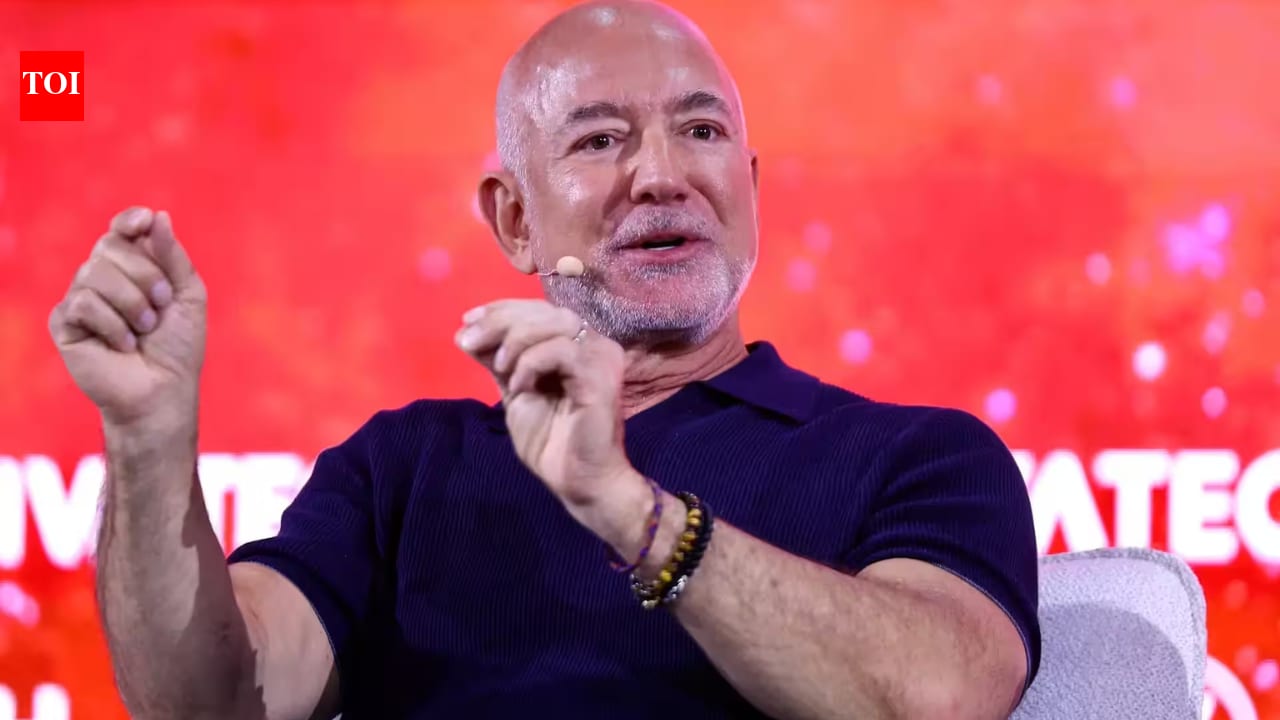
Jeff Bezos has pledged $100 million to revitalize vacant land into public parks across eight U.S. cities. This initiative aims to improve urban infrastructure by repurposing abandoned sites into green spaces for community use.
A Green Transformation: The $100 Million Urban Reclamation Project
In a significant philanthropic move aimed at urban revitalization, Jeff Bezos has committed $100 million to transform underutilized and vacant land into public parks across eight diverse cities in the United States. This initiative targets specific locations—Cleveland, Indianapolis, Salt Lake City, Los Angeles, Little Rock, Allentown, Atlanta, and Sioux Falls—each of which faces unique challenges regarding urban blight and the lack of accessible green space. By repurposing these sites, the project seeks to move beyond mere beautification, aiming instead to integrate ecological health and community utility directly into the urban fabric.
Strategic Revitalization Across Diverse Geographies
The selection of these eight cities highlights a strategic approach to addressing varied types of urban decay. For example, Cleveland is tackling the complex issue of repurposing 600 vacant properties, a massive undertaking that could set a blueprint for post-industrial land management. Meanwhile, Indianapolis is focusing on the ecological restoration of the White River corridor, a project that emphasizes environmental connectivity. These localized efforts demonstrate that the $100 million investment is not a one-size-fits-all approach but rather a tailored intervention designed to address the specific historical and physical constraints of each municipality.
Mitigating Urban Heat and Enhancing Infrastructure
A core component of this investment is the tangible environmental impact anticipated in cities like Salt Lake City, where the funding will specifically support the planting of trees and the creation of shade. In an era where urban heat islands are becoming an increasingly severe threat to public health, the introduction of canopy cover serves as a critical infrastructure upgrade. Similarly, the project in Little Rock, which involves converting a former motorway ramp into a functional park, illustrates a modern trend of 'reclaiming' infrastructure that no longer serves its original purpose, effectively turning dead space into a public asset.
Historical Context of Urban Renewal
Historically, urban renewal projects have often struggled with the balance between development and community displacement. However, this initiative appears to focus on reclaiming existing vacant or abandoned land, such as the former quarry in Sioux Falls or the underutilized space surrounding the Watts Towers in Los Angeles. By targeting these specific, often neglected areas, the project aims to provide immediate value to local residents without the destructive side effects often associated with large-scale urban redevelopment. This emphasis on 'reclaiming' rather than 'replacing' suggests a nuanced understanding of current urban planning priorities.
Future Trends and Community Impact
The long-term success of this $100 million investment will likely depend on the maintenance and integration of these parks into the daily lives of local citizens. If these projects succeed, they could serve as a replicable model for other private-public partnerships aimed at solving the crisis of abandoned urban land. By fostering community-centric spaces in cities like Allentown and Atlanta, the program not only enhances aesthetics but also promotes social cohesion. As urban populations continue to grow, the ability to reclaim vacant land for public use will become an essential component of sustainable city building, potentially triggering a new wave of private investment in public infrastructure.