Global warming could make Russia richer. It could also bring Nato closer to its doorstep
Source Entity
PRANJAL PANDEY
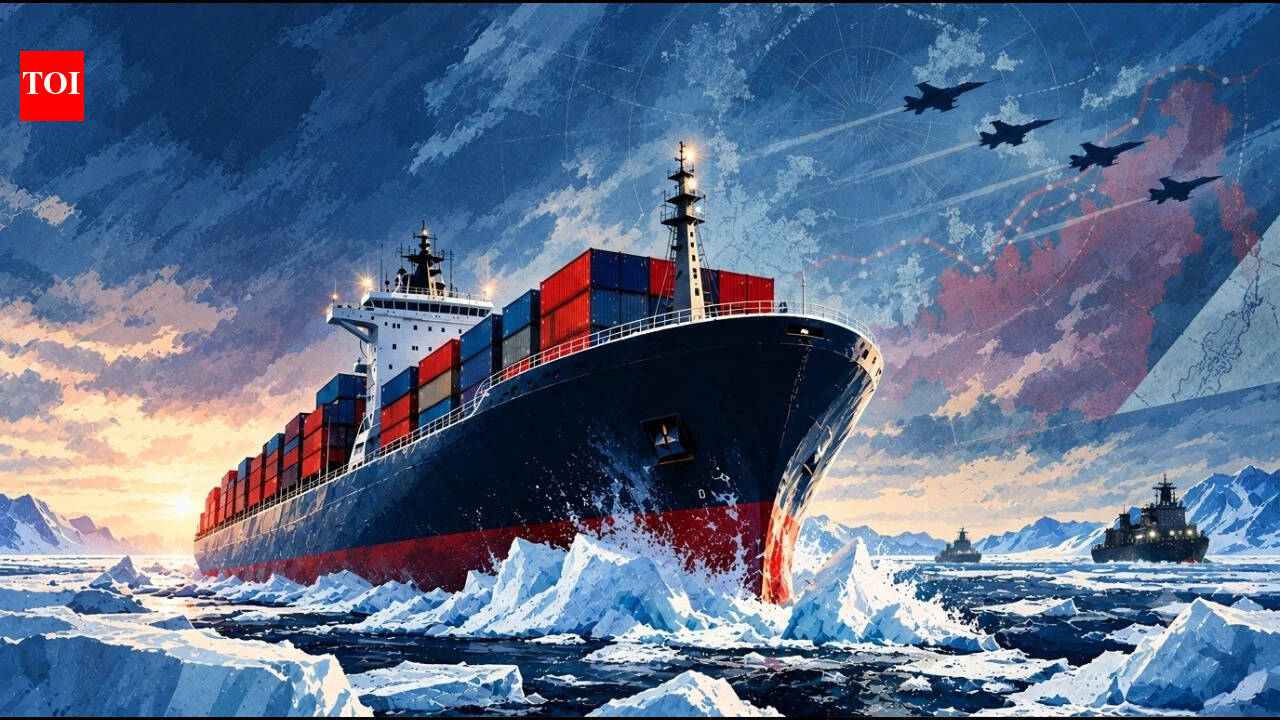
As the Arctic warms, Russia stands to gain economic advantages through the Northern Sea Route while simultaneously facing severe infrastructure threats from permafrost thaw. This environmental shift is fueling geopolitical competition, potentially drawing NATO closer to Russia's northern borders.
The Arctic Paradox: Russia's Frozen Frontier in Transition
As global temperatures rise, the Arctic is undergoing a radical transformation that fundamentally alters the geopolitical and economic calculus for the Russian Federation. While climate change is often viewed as a global catastrophe, the melting of the polar ice cap presents a complex duality for Moscow: the prospect of unprecedented economic expansion countered by the structural fragility of its northern territories.
The Northern Sea Route and Economic Potential
The primary economic driver for Russia in this warming climate is the development of the Northern Sea Route (NSR). As ice cover diminishes, this maritime corridor offers a significantly shorter transit time for shipping between Europe and Asia compared to traditional routes through the Suez Canal. By positioning itself as the primary facilitator and guardian of this passage, Russia aims to boost its exports and solidify its influence over global logistics, turning what was once an impassable barrier into a lucrative trade artery.
The Permafrost Crisis and Infrastructure Decay
However, the economic boon of the NSR is shadowed by a severe internal threat: the thawing of permafrost. Russia’s northern infrastructure, including pipelines, railways, and urban centers, was constructed on the assumption of permanently frozen ground. As this foundation destabilizes, the Kremlin faces catastrophic maintenance costs and the potential collapse of vital industrial assets. The very climate change that opens shipping lanes threatens to undermine the physical integrity of the Russian Arctic itself.
Geopolitical Friction and NATO Expansion
The environmental opening of the Arctic has inevitably invited increased international scrutiny and military interest. The region is no longer a remote buffer zone but a theater of intense geopolitical contestation. As Russia attempts to assert its dominance over the Arctic, the security landscape has become increasingly crowded, with NATO monitoring these developments closely. The strategic accessibility of the region has effectively brought the alliance’s interests closer to Russia’s northern doorstep, complicating Moscow’s security posture.
Global Strategic Stakes
The Arctic is now a central stage for major powers, with the 'Greenland question' and the entry of non-Arctic actors like India into the region’s research and economic spheres underscoring its growing importance. As nations compete for resources and transit control, the Arctic is shifting from a peripheral concern to a core pillar of global strategy. Russia’s ability to balance these emerging external pressures with the internal environmental crisis will define its influence in the 21st century.
Conclusion: A Future of High-Stakes Uncertainty
Ultimately, Russia’s northern strategy is a high-stakes gamble. The nation stands to gain significant maritime and commercial leverage, yet it remains vulnerable to the unpredictable environmental consequences of its own geography. Whether the Arctic becomes a corridor of prosperity or a theater of conflict will depend on how effectively Russia can manage the dual challenges of infrastructure degradation and the encroaching security presence of international rivals.