Himachal wildlife department decides to keep all 7 monkey sterilisation centres operational
Source Entity
Saurabh Parashar
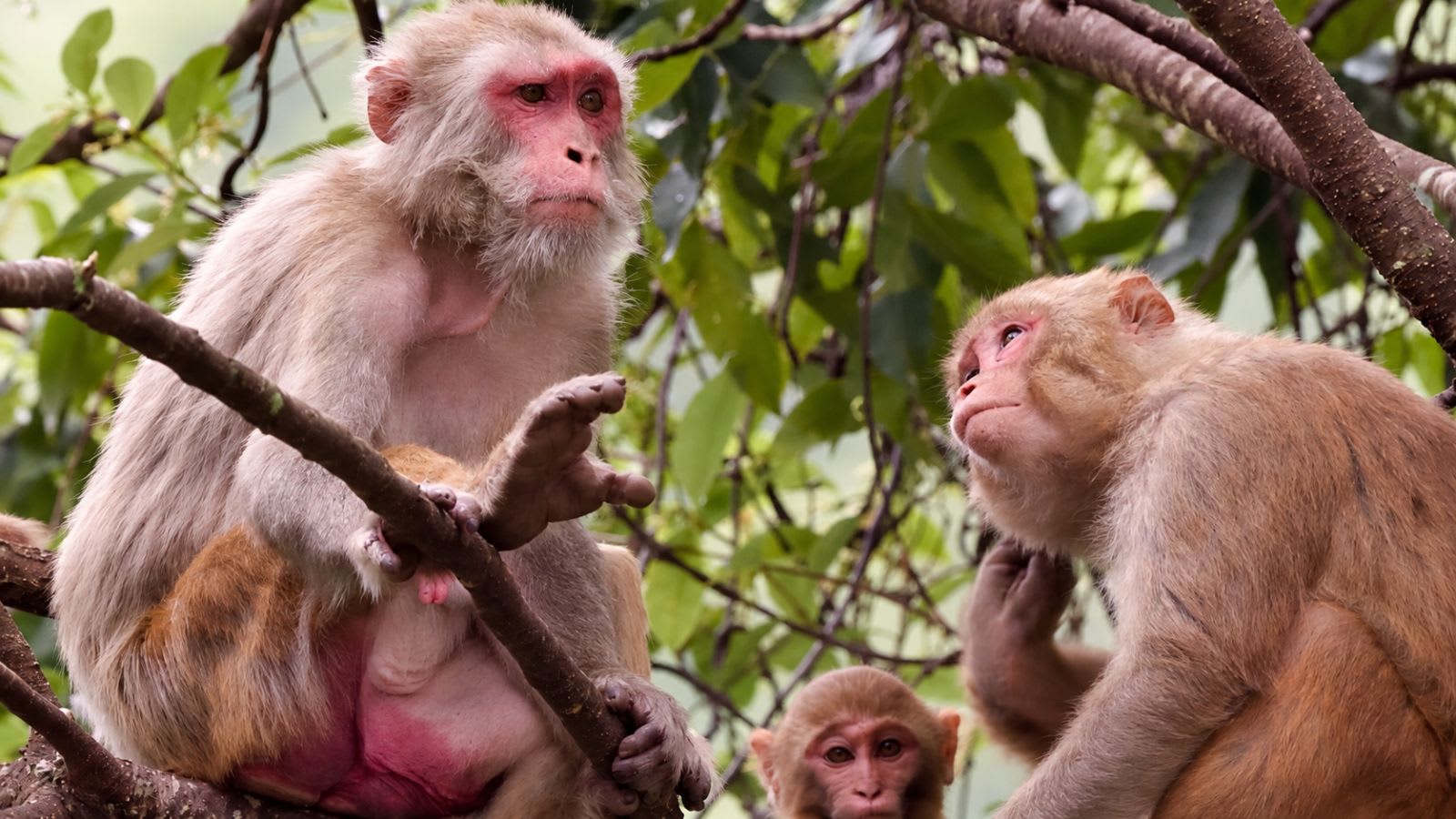
The Himachal Pradesh Forest & Wildlife Department has reversed its decision to close five of its seven monkey sterilisation centres. These facilities will remain operational to continue controlling the rhesus macaque population following their removal from the Wildlife (Protection) Act schedules.
Himachal Pradesh Reverses Course on Monkey Sterilisation Centres
In a significant policy pivot, the Himachal Pradesh Forest & Wildlife Department has announced that all seven of its Monkey Sterilisation Centres (MSCs) will remain operational. This decision marks a departure from a previous proposal to shutter five of the seven facilities, signaling a renewed commitment to the state’s long-standing animal population management strategy. The centres, located across the districts of Shimla, Kangra, Mandi, Hamirpur, Sirmaur, Chamba, and Una, have been the cornerstone of the state's efforts to mitigate human-wildlife conflict since their inception in 2007.
The Impact of Legislative Changes
The shift in policy follows the recent exclusion of the rhesus macaque from the schedules of the Wildlife (Protection) Act, 1972. This legislative change fundamentally altered the legal status of the species, prompting the department to re-evaluate the necessity of maintaining a full network of sterilization infrastructure. By deciding to keep all seven centres functional, authorities are clearly prioritizing the continued management of the rhesus macaque population, which has historically caused significant agricultural and urban disruptions across the region.
A Legacy of Population Control
Data from the Himachal Pradesh Zoo & Conservation Breeding Society (HPZCBS) underscores the massive scale of this initiative. According to their annual report, an impressive 1.88 lakh monkeys have undergone sterilization procedures between 2007 and 2025. This sustained, nearly two-decade-long effort represents one of the most comprehensive animal population control programs in the country. The decision to maintain the current infrastructure ensures that the momentum gained in these efforts will not be lost during a critical transition period.
Challenges in Funding and Logistics
Despite the decision to keep the centres open, the department now faces the logistical challenge of securing consistent funding to sustain the capture and sterilization process. The transition from a planned closure to full operational status requires a recalibration of budgetary allocations. Officials are currently working to secure the necessary resources to ensure that the capture teams and veterinary staff can continue their work without interruption, underscoring the high cost of maintaining such extensive conservation infrastructure.
Future Outlook on Human-Wildlife Conflict
The future of human-wildlife coexistence in Himachal Pradesh remains heavily dependent on the effectiveness of these sterilization programs. As the state continues to urbanize and agricultural footprints expand, the pressure on wildlife habitats grows, often leading to increased incidents of monkeys raiding crops and entering residential areas. By maintaining the seven MSCs, the Forest & Wildlife Department is signaling that it views active population management as a permanent, rather than temporary, necessity for maintaining ecological and social balance in the state.