'Scared’ Pakistan denies attacking Houthis on TV; is Islamabad trying to avoid a Yemen showdown?
Source Entity
Latest News: Todays Latest News Headlines from India & World | Hindustan Times | Hindustan Times
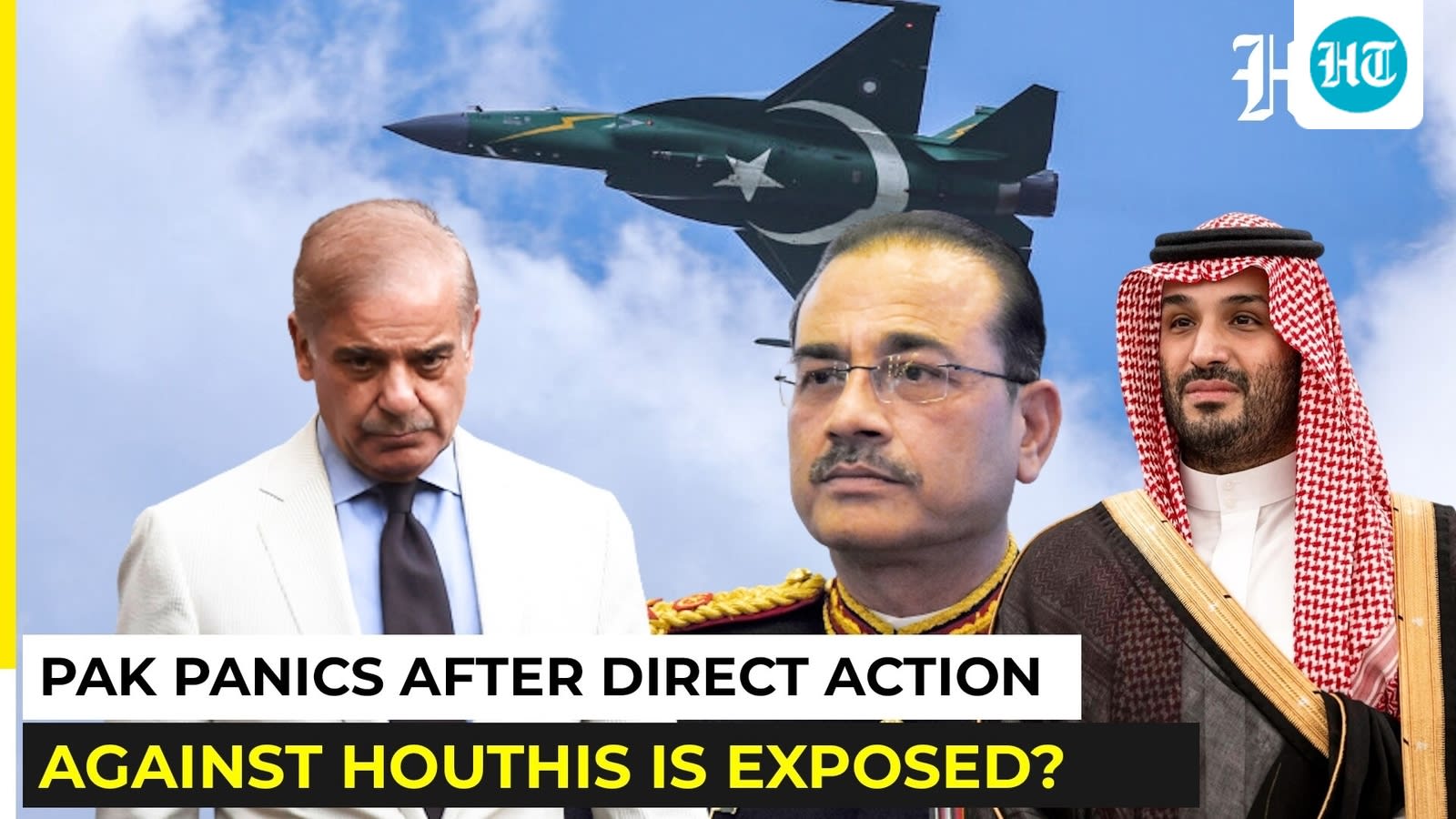
Pakistan has officially denied reports that its fighter jets are participating in airstrikes against Houthi targets in Yemen. The Foreign Office maintains that Pakistani military personnel stationed in Saudi Arabia are there strictly for defensive purposes.
Pakistan’s Strategic Neutrality Amidst the Yemen Conflict
Recent reports alleging that Pakistani fighter jets have been conducting offensive strikes against Houthi targets in Yemen have prompted a swift and definitive denial from Islamabad. Foreign Office spokesperson Sajjad Haider Khan clarified that the presence of Pakistani forces in Saudi Arabia is strictly limited to defensive roles, aimed at upholding the security and sovereignty of the Kingdom. This denial serves as a critical diplomatic maneuver intended to distance Pakistan from the kinetic aspects of the ongoing conflict in Yemen.
Navigating Complex Regional Alliances
Pakistan maintains a long-standing, robust security relationship with Saudi Arabia, characterized by historical military cooperation and training agreements. However, this partnership exists within a precarious geopolitical framework. Islamabad must carefully balance its deep-rooted ties with Riyadh against its internal domestic sensitivities, which include a significant Shia population and a historical preference for non-interventionist foreign policies. By explicitly rejecting the New York Times report, Pakistan is signaling a desire to avoid being drawn into an active, offensive combat role that could escalate regional tensions.
The Risk of Regional Escalation
Participation in direct airstrikes against Houthi forces would represent a significant departure from Pakistan's traditional military posture. Involvement in such operations could alienate regional actors and potentially invite domestic instability or retaliation. The emphasis on 'defensive purposes' reflects Islamabad’s strategy of providing logistical and training support to its allies without crossing the threshold into active warfare. This distinction is vital for maintaining Pakistan’s image as a neutral mediator capable of engaging with various stakeholders across the Middle East.
Media Accuracy and Diplomatic Clarity
In the era of rapid information dissemination, the discrepancy between international media reports and official state denials highlights the sensitivity of military movements in the Middle East. The Pakistani government’s rejection of the claims serves as an attempt to regain control of the narrative, ensuring that its military footprint in Saudi Arabia is not misconstrued as an act of aggression against Yemeni factions. This clarity is essential for Islamabad to maintain its diplomatic standing and avoid unnecessary friction with regional powers that might perceive such strikes as an unwarranted escalation.
Future Implications for Islamabad’s Foreign Policy
Looking ahead, Pakistan is likely to continue its 'defensive-only' stance regarding its regional military footprint. The government appears acutely aware that any deviation from this policy could carry severe geopolitical consequences, including the risk of being viewed as a belligerent in a complex proxy war. By prioritizing sovereignty and stability, Islamabad is attempting to navigate the Yemen crisis without compromising its own national security interests or its foundational security partnerships in the Gulf region.
Verification Required?