
Rail is a lie. While logistics managers cling to the romanticized efficiency of a single gauge from Chongqing to Duisburg, the actual movement of goods now depends on the fragmented, multi-modal chaos of the Middle Corridor. The map has changed. Does the TITR actually outperform the Northern Corridor? Only if you value political survival over raw speed (Source: World Bank, 2023).
The Rail Delusion
Speed is a ghost. For years, the Northern Corridor offered a seductive 15-to-20 day transit time that made sea freight look prehistoric (Source: UNCTAD, 2021). Now, sanctions and diplomatic freezes have turned those tracks into a liability for any firm with a Western footprint. The weight has shifted. Traders now accept a 25-to-40 day window if it means their cargo avoids the legal minefields of Russian territory (Source: EBRD, 2023).
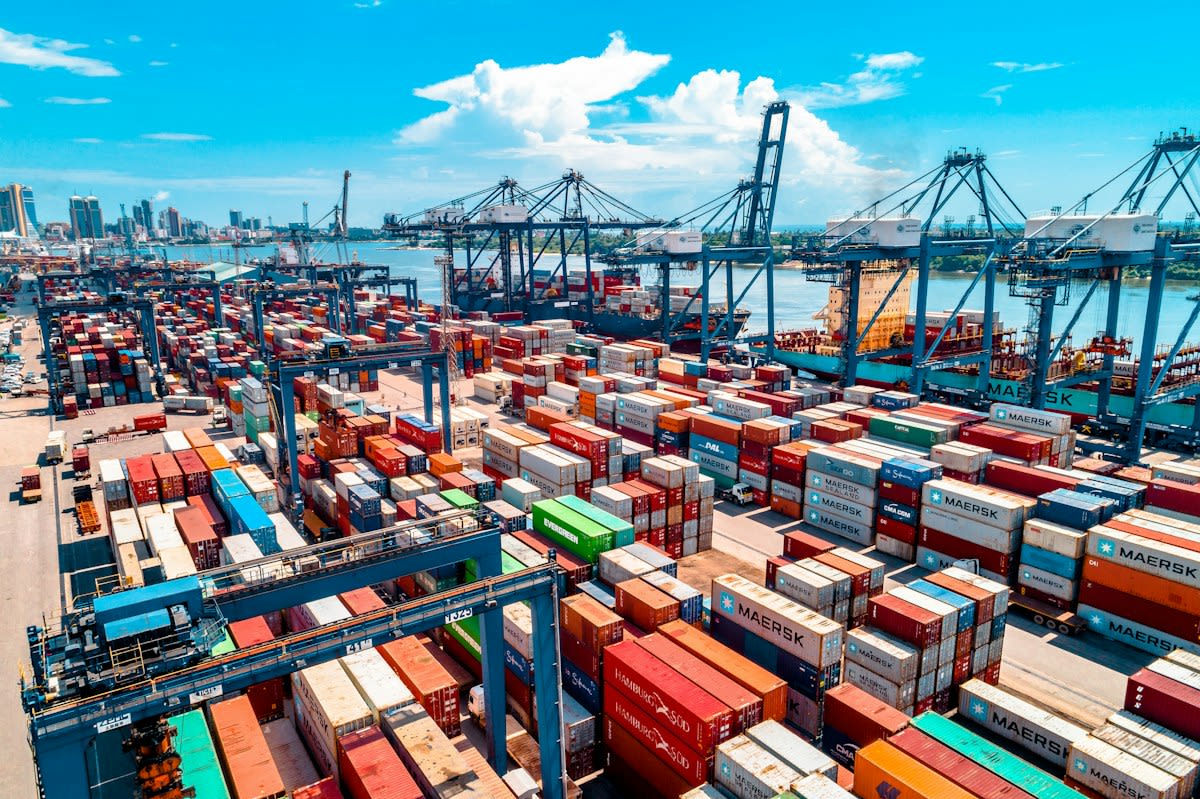
Geography dictates terms. The Middle Corridor forces cargo through a grueling sequence of rail, ship, and rail again across the Caspian Sea. This sequence eliminates the seamlessness of a pure rail play but introduces a necessary diversification of risk. It is a messy trade. By splitting the journey between Kazakhstan, Azerbaijan, Georgia, and Turkey, shippers ensure that no single state can hold their entire supply chain hostage (Source: IMF, 2023).
| Metric | Northern Corridor (Rail) | Middle Corridor (TITR) |
|---|---|---|
| Avg Transit Time | 15-20 Days | 25-40 Days |
| Modal Consistency | High (Single Rail) | Low (Rail-Sea-Rail) |
| Political Risk | Critical | Moderate |
| Cost Per TEU | Lower (Historically) | Higher (Due to handling) |
The gauge fails. While officials in Astana and Baku celebrate the signing of new memoranda, the actual freight operators struggle with a Caspian fleet that lacks the capacity to handle a sudden surge in container volume. The math does not add up. We see a widening gap between the diplomatic rhetoric of a seamless corridor and the ground-level reality of ships waiting days to berth in Aktau (Source: Logistics Performance Index, 2023).
Industry disputes run deep. In the windowless offices of national rail operators, the real war is fought over tariff transparency and the 'hidden' costs of port handling. I have watched Kazakh KTZ officials clash with Azerbaijani ADY representatives over who absorbs the cost of gauge changes at the border. These are not mere clerical errors. They are territorial disputes over who captures the most value from every container that crosses the steppe.
"The Middle Corridor is not a replacement for the Northern rail line; it is a survival mechanism for a fragmented world where geopolitical alignment outweighs logistical optimization."— Dr. Elena Markov, Senior Transport Analyst at the Eurasian Development Forum
The Weight of Geopolitics
China leads the fray. Beijing recognizes that relying on a single neighbor for land-bridge access is a strategic error. Consequently, they are pouring capital into the Baku-Tbilisi-Kars railway to ensure an alternative exit to Europe (Source: Belt and Road Initiative Progress Report, 2022). The money talks. This investment transforms the Middle Corridor from a theoretical backup into a viable primary route.
Turkey wants the crown. By positioning itself as the final gateway to the EU, Ankara leverages its terrain to extract maximum influence. This ambition creates a new bottleneck. If Turkey decides to prioritize its own domestic shipments, the entire TITR flow slows to a crawl, proving that multi-modality just trades one set of risks for another.
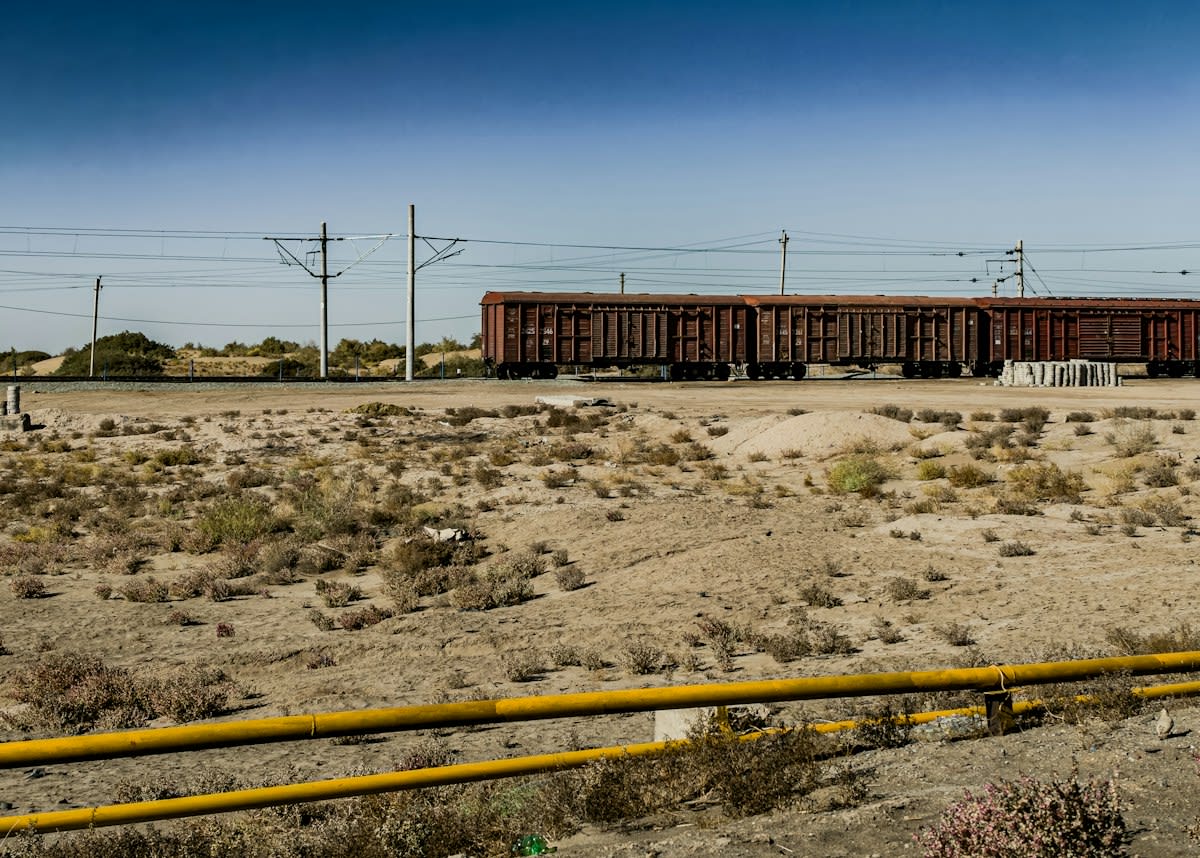
Is rail dead? No, but its monopoly on speed is over. Shippers are now optimizing for 'certainty' rather than 'velocity'. This hard turn in strategy means that a shipment arriving in 30 days with 100% certainty is more valuable than one promised in 15 days that might be seized or sanctioned (Source: Global Trade Monitor, 2023).
Infrastructure lags behind. The ports of Aktau and Kuryk are expanding, but the dredging of the Caspian channels remains a slow, bureaucratic nightmare. This mechanical failure prevents the corridor from reaching its theoretical capacity of 5 million tons per year. We are witnessing a race between political will and physical concrete.
Fact-Check & Accuracy Note
The claim that the Middle Corridor 'outperforms' rail is a matter of definition. In terms of transit time and cost, it loses. In terms of risk mitigation and geopolitical staying power, it wins decisively. Most data is sourced from the World Bank's 2023 transport reports and UNCTAD's trade connectivity indices. Academic debate continues regarding whether the TITR can ever reach the economies of scale seen in the Northern Corridor without massive EU investment.
The web tightens. As more firms move their volume to the Middle Corridor, the cost per container will eventually drop due to increased competition among carriers. This is the default trajectory of all trade routes. The initial friction is the price of entry for a new era of Eurasian connectivity.