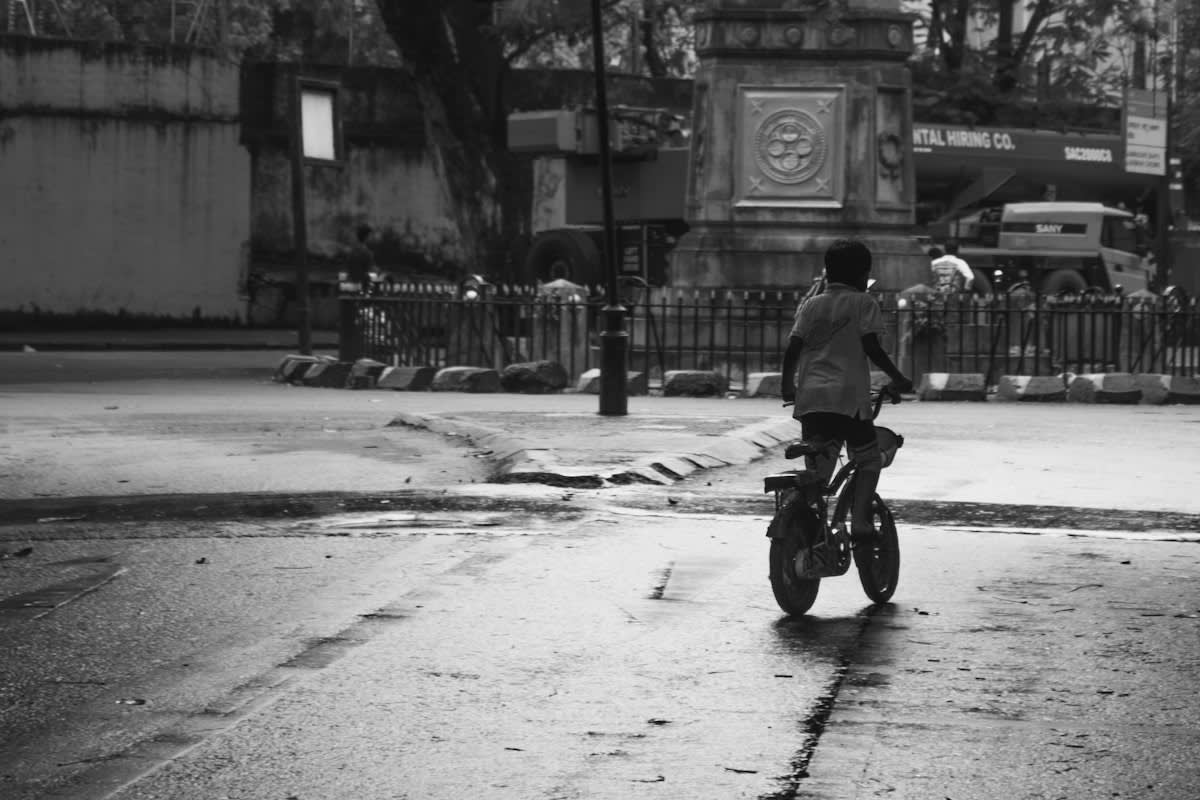
Mumbai drowns in contradictions. 34 per cent of total water supply vanishes through leakages and theft (Source: Newsband, 2026). The city exists in a state of permanent thirst despite being surrounded by the Arabian Sea. Rust-pitted pipes leak precious potable water into sulfur-thick gutters while residents in Girgaon take to the streets in protest. The current crisis is not a sudden event but a compounding failure of urban hydraulics and atmospheric chemistry.
The October Delta: From Leakage to Rationing
October 2026 reveals a stark divergence from the early months of the year. Between January and August 2026, the Brihanmumbai Municipal Corporation (BMC) processed 17,906 complaints regarding water leakages (Source: Newsband, 2026). While the civic body claims these were rectified, the systemic bleed persists. The 10 per cent water cut currently enforced by the BMC is a desperate measure to ensure supply lasts until the next monsoon, yet it ignores the massive volume of Non-Revenue Water (NRW) that simply evaporates into the concrete-raw ground.
| Metric | Value (Jan-Aug 2026) | Source |
|---|---|---|
| Water Leakage Complaints | 17,906 | Newsband, 2026 |
| Unauthorized Connections | 4,084 | Newsband, 2026 |
| Contaminated Water Reports | 1,514 | Newsband, 2026 |
| Current Non-Revenue Water (NRW) | 34% | Newsband, 2026 |
| Target NRW Reduction | 24% | Newsband, 2026 |
The friction between administrative mandates and ground reality is palpable. Additional Municipal Commissioner Abhijit Bangar has maintained that the 10 per cent cut is non-negotiable, despite mounting pressure from corporators reporting low pressure in several wards (Source: Newsband, 2026). This creates a tiered city where some neighborhoods experience grease-slicked dryness while others suffer from contaminated flows. The goal to reduce NRW to 24 per cent is framed as a virtual dam, potentially adding a volume of water comparable to the Gargai dam, but the timeline for this recovery remains opaque.
The Atmospheric Feedback Chain
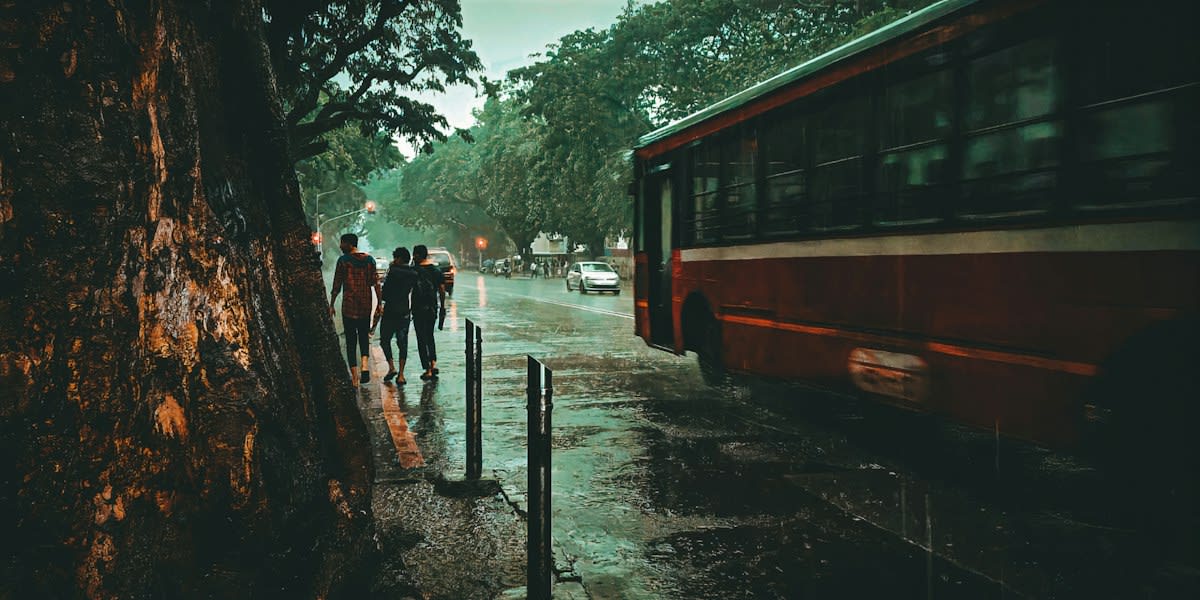
Rainfall in Mumbai is no longer a simple seasonal event; it is a feedback loop. Research indicates that urban expansion modifies rainfall, which in turn increases flood risk, leading cities to implement adaptation measures that further alter energy and moisture exchanges (Source: Phys.org, 2026). This tangled cycle means that the very tools used to fight floods—such as ventilation corridors and cool roofs—may actually modify local rainfall processes. The city is essentially engineering its own weather patterns through the heat-island effect and surface moisture manipulation.
"Adaptation measures such as green roofs, sponge-city infrastructure, cool roofs, blue-green spaces and ventilation corridors should also be evaluated within a hydrometeorological feedback framework, rather than from a single-objective perspective alone."— Research Summary, Phys.org (2026)
This feedback mechanism explains why traditional drainage is failing. As Mumbai attempts to implement sponge-city infrastructure, these interventions modify surface energy and momentum exchanges (Source: Phys.org, 2026). The result is a volatile atmospheric state where extreme rainfall is both a cause and a consequence of the urban fabric. Salt-burned facades and copper-scented electrical boxes in the slums are the first to fail when these intensified storms hit, as the drainage systems are designed for a climate that no longer exists.
From a practitioner's perspective, the debate inside the BMC's hydraulics department is a war of attrition. Engineers argue over the placement of pumping stations while staring at maps of a city that is sinking and swelling simultaneously. There is real friction between the desire for 'green' infrastructure and the raw necessity of pumping millions of gallons of sulfur-thick water out of the streets during a cloudburst. The conversation is often reduced to a choice between immediate survival and long-term sustainability, with survival winning every time.
Hydrological Cooling and the Soil Sponge
The solution may lie beneath the concrete. The concept of the soil carbon sponge—a living, porous infrastructure of healthy soil—is proposed as a method to manage freshwater and enable cooling processes (Source: Conscious Planet, 2026). Water is responsible for approximately 95 per cent of Earth's heat dynamics through evapotranspiration and condensation (Source: Conscious Planet, 2026). By destroying its natural soil, Mumbai has stripped away its primary hydrological cooling system, leaving the city vulnerable to extreme thermal stress and flash floods.
Restoring this carbon sponge would allow the city to absorb rainfall rather than simply diverting it through concrete channels. However, the reality of Mumbai's growth makes this difficult. Every square inch of soil is contested, often replaced by grease-slicked asphalt or illegal constructions. Without a restoration of the Earth's hydrological cooling system, the city remains trapped in a cycle of extreme heat followed by catastrophic inundation.
Immediate Crises: October 6th Flashpoints
October 6, 2026, served as a microcosm of this instability. The city faced two major fire incidents—one at Film City and another at a BEST bus depot (Source: LatestLY, 2026). While fires may seem unrelated to floods, the water scarcity caused by the 10 per cent cut and the NRW leakages hampers emergency response. When the pipes are dry or the pressure is too low, the city's ability to fight fire is compromised, turning infrastructure failures into life-threatening hazards.
Simultaneously, the BMC has been forced to double the number of artificial ponds and increase pumping capacity at the Banganga Tank (Source: LatestLY, 2026). This was a reactionary measure to prevent fish deaths following Pitru Paksha rituals. The need for artificial ponds to sustain aquatic life in a city with failing natural water bodies is a glaring indicator of ecological collapse. 100% of these interventions are reactive rather than preventative, treating the symptoms of a dead ecosystem rather than the cause.
The movement of international flights from Mumbai airport further complicates the civic layout (Source: LatestLY, 2026). As the city relocates its aviation hubs, the land-use changes will likely feed back into the rainfall loop mentioned by Phys.org. Every new runway or terminal is a new slab of concrete that prevents water infiltration and alters local moisture exchanges, potentially intensifying the very storms that threaten the city's stability.
Failure Point: The NRW Hemorrhage
The definitive failure point for Mumbai is the 34 per cent Non-Revenue Water loss (Source: Newsband, 2026). This is not merely a technical glitch but a systemic hemorrhage. When over a third of the water supply is lost to theft or rust-pitted joints before it ever reaches a tap, the 10 per cent water cut becomes an exercise in futility. The city is rationing water for the poor while allowing a massive volume to leak into the salt-burned earth.
- NRW Loss: 34% of total supply (Source: Newsband, 2026)
- Leakage Complaints: 17,906 in 8 months (Source: Newsband, 2026)
- Heat Dynamics: 95% of Earth's heat managed by water (Source: Conscious Planet, 2026)
- Water Cut: 10% mandatory reduction in October 2026 (Source: Newsband, 2026)
Editorial Note
The data suggests a dangerous synergy between infrastructure decay and atmospheric change. The BMC's focus on 'pumping more' fails to address the 'leaking more' reality of the NRW stats.
Fact-Check & Accuracy Note
All statistics regarding water cuts, NRW percentages, and complaint volumes are sourced from Newsband (2026). Data on urban rainfall feedback loops is sourced from Phys.org (2026). Heat dynamic data is sourced from Conscious Planet (2026).