Trump says Iran taking out LA and San Diego would be 'small price to pay'
Source Entity
CHIDANAND RAJGHATTA
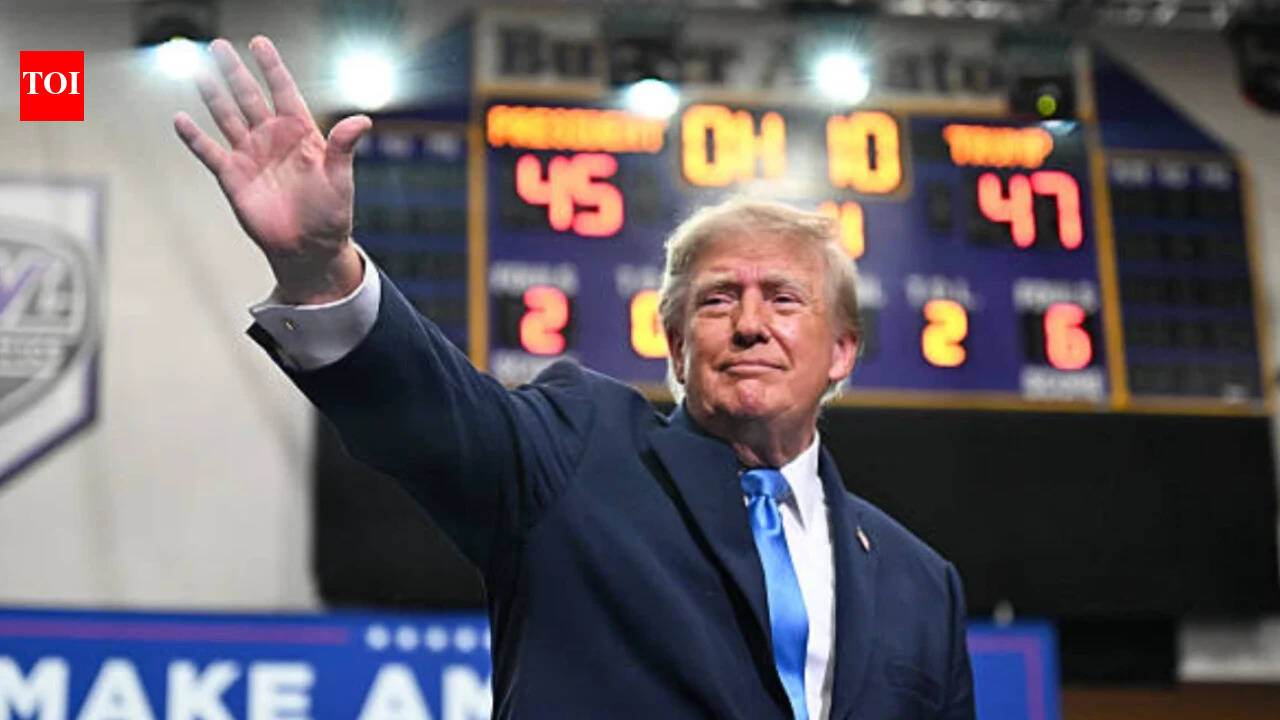
President Donald Trump sparked controversy at a Nebraska rally by suggesting that a nuclear-armed Iran could strike Los Angeles and San Diego. California leaders have condemned the remarks, fueling a heated national debate over the economic and security costs of the U.S. conflict with Iran.
The Geopolitical Rhetoric of Conflict
President Donald Trump recently ignited a firestorm of criticism following remarks made at a campaign rally in Nebraska. While discussing the ongoing U.S. conflict with Iran, the President suggested that the potential destruction of Los Angeles and San Diego by a nuclear-armed Iran might be a "small price to pay." These comments, made in the lead-up to the midterm elections, have drawn sharp condemnation from California’s political leadership, including Governor Gavin Newsom and the mayors of the two affected cities.
Justifying the Cost of War
The central pillar of the President’s argument remains the necessity of the current war to prevent Iran from acquiring nuclear capabilities. By framing the conflict as a preemptive measure, the administration seeks to justify the significant economic burdens associated with sustained military engagement. However, by explicitly naming major U.S. cities as potential targets, the President has shifted the narrative from abstract national security goals to the immediate, existential vulnerability of American metropolitan centers.
Political Polarization and Regional Backlash
The backlash from California officials highlights the deep-seated political divisions within the United States. Many critics view the targeting of Los Angeles and San Diego—cities governed by Democratic leadership—as a reflection of partisan friction. The swift denunciation from both Democratic leaders and some Republican colleagues suggests that the rhetoric has crossed a threshold, moving from standard campaign posturing into a space that feels increasingly volatile to local constituents.
The Nuclear Deterrence Debate
Historically, U.S. foreign policy regarding Iran has centered on containment and the prevention of nuclear proliferation. By suggesting that Iran possesses the capability to "take out" major cities, the President has inadvertently brought the focus back to the efficacy of the current military strategy. The debate now encompasses not only the financial cost of the war but the psychological and physical risks imposed on the American public as a direct consequence of current geopolitical tensions.
Future Implications and Security Concerns
As the midterm elections approach, this incident is likely to remain a focal point of campaign discourse. The administration’s gamble—that voters will prioritize a "small price to pay" in exchange for long-term security against a nuclear Iran—is being tested against the visceral fear of domestic impact. Whether this rhetoric rallies the base or alienates moderate voters remains to be seen, but it has undoubtedly intensified the national conversation surrounding the risks of the ongoing conflict.
Conclusion
In summary, the President’s comments in Nebraska have transformed the U.S.-Iran conflict from a distant foreign policy issue into a domestic political crisis. By linking the survival of major California cities to the outcome of the war, the administration has heightened the stakes of the ongoing debate. As the rhetoric continues to evolve, the challenge for both parties will be to balance the strategic necessity of nuclear non-proliferation with the need to maintain public trust and national unity.