I'd rather have another election than do a deal with Reform UK, says Badenoch
Source Entity
BBC News
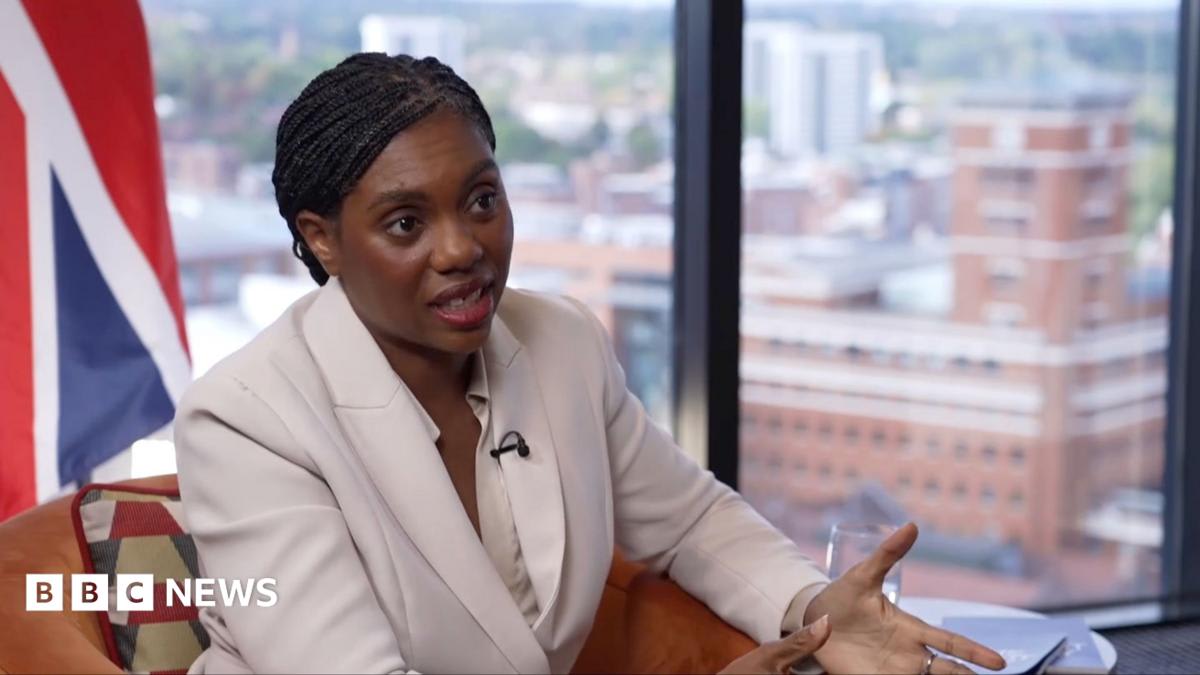
Conservative leader Kemi Badenoch has ruled out any coalition or deal with Reform UK, citing concerns over the party's reputation. Simultaneously, she has proposed a policy to reduce the cost of hiring young workers to revitalize the party's economic platform.
Badenoch Rejects Reform UK Alliance Amid Political Uncertainty
Conservative Party leader Kemi Badenoch has issued a definitive stance regarding the future of the party, explicitly ruling out any formal cooperation or deal with Nigel Farage’s Reform UK. In a recent interview, Badenoch signaled that she would prefer to face another general election rather than seek power through an alliance with a party she characterizes as being "neck deep in scandal." This categorical refusal underscores a strategic attempt by the Conservative leadership to distance itself from the populist right, framing Reform UK as a source of instability rather than a viable political partner.
The Strategic Gamble of Political Purity
The political landscape in the United Kingdom is currently marked by high levels of volatility, with polling data consistently pointing toward the possibility of a hung parliament in the next general election. As current projections place Labour in the lead, followed by a competitive race between Reform UK and the Conservatives, Badenoch’s decision to reject a coalition represents a high-stakes gamble. By prioritizing ideological distinction over the immediate pursuit of power, she is attempting to reclaim the Conservative Party's traditional identity and avoid the "problem after another" that she believes an alliance with Reform would inevitably trigger.
Economic Revitalization and Youth Employment
Beyond her stance on coalition politics, Badenoch is actively working to reshape the Conservative economic narrative as the party conference in Birmingham concludes. A central pillar of this effort is a new pledge to reduce the financial burden on businesses looking to hire young professionals. By proposing to halve the rate of employer national insurance (NI) contributions for workers aged 21 to 24, Badenoch aims to stimulate the labor market and incentivize businesses to invest in the younger workforce. This policy shift is designed to demonstrate that the Conservatives are prioritizing growth and workforce development.
Repositioning the Conservative Brand
This policy announcement and the rejection of Reform UK are part of a broader strategy to differentiate the current iteration of the Conservative Party from the one that suffered significant electoral losses. Badenoch is acutely aware that the party must undergo a rebranding process to regain public trust. By focusing on tangible economic incentives for employers and maintaining a firm stance against populism, she is attempting to construct a clear, coherent platform that appeals to voters who may have felt alienated by recent political turbulence.
Future Implications for the UK Political Landscape
Looking ahead, the success of this strategy hinges on whether the electorate perceives these moves as a genuine shift or merely a rhetorical exercise. If the current polling trends hold and a hung parliament becomes a reality, Badenoch’s refusal to negotiate with Reform UK will be tested in real-time. Should she maintain her position, the party may face a period of opposition, but she clearly bets that this path will preserve the party's long-term integrity and prevent the internal fracturing that could arise from a coalition of convenience. Ultimately, Badenoch is betting that a focused, disciplined Conservative Party will eventually prove more attractive to the British public than a fragmented coalition.