Opposition wants to discredit constitutional bodies, says Fadnavis
Source Entity
Latest News: Todays Latest News Headlines from India & World | Hindustan Times | Hindustan Times
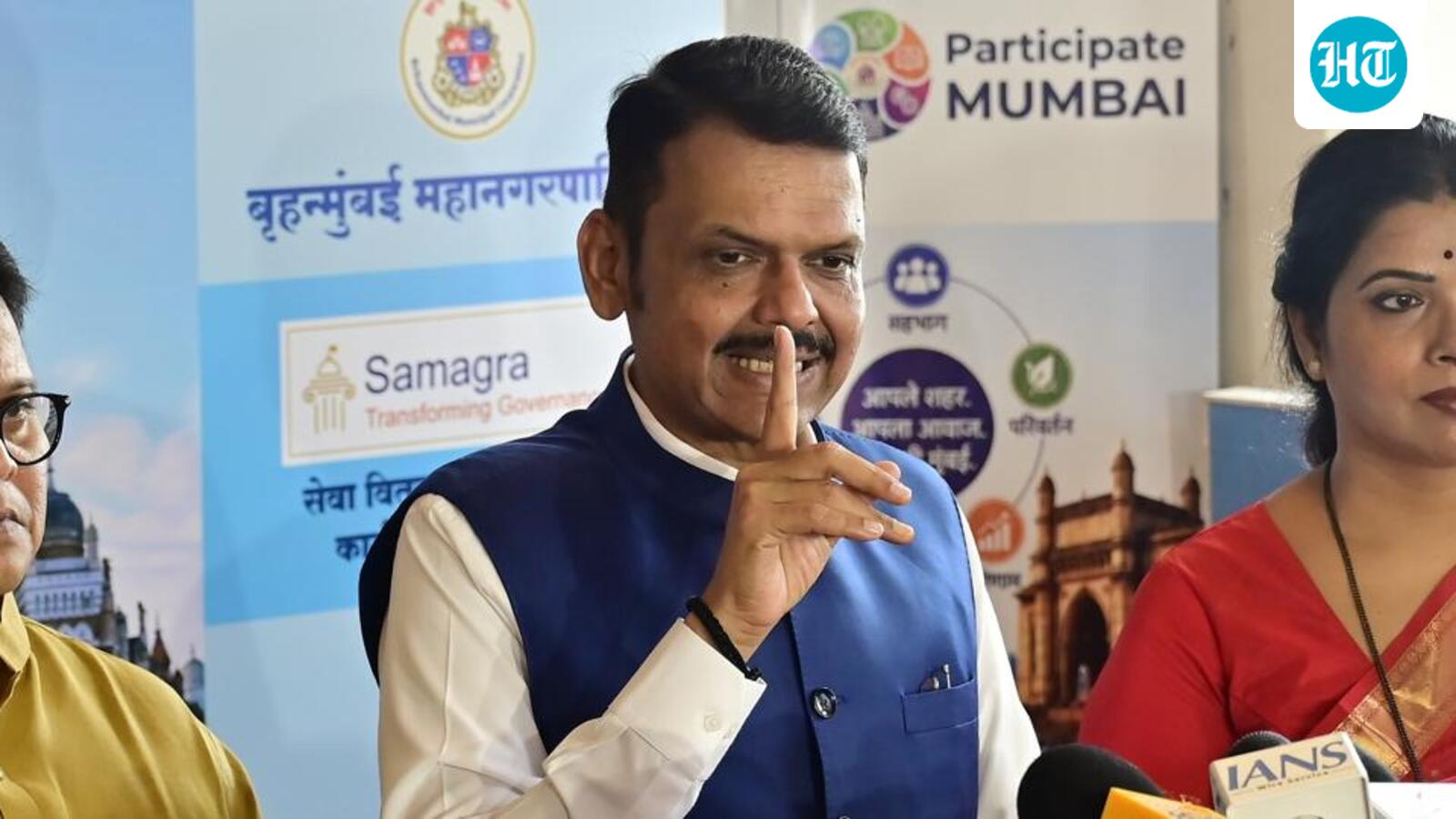
Maharashtra Deputy Chief Minister Devendra Fadnavis has accused the Opposition of attempting to undermine India's constitutional bodies. He claims these efforts aim to replace the current democratic framework with an extremist ideology.
The Clash Over Constitutional Integrity
Recent statements made by Maharashtra Deputy Chief Minister Devendra Fadnavis have ignited a sharp political discourse regarding the sanctity and functioning of India’s constitutional institutions. Addressing the media at Mantralaya following a cabinet meeting, Fadnavis leveled serious allegations against the Opposition parties, specifically the Congress and its allies, accusing them of orchestrating a coordinated campaign to discredit the judiciary and other autonomous constitutional bodies. This rhetoric signals a deepening divide in the Indian political landscape, where the legitimacy of state institutions has become a central battleground.
The Allegation of Institutional Subversion
Fadnavis contends that the current agitation led by the Opposition is not merely a policy disagreement but a calculated effort to manufacture a narrative that these bodies have failed to deliver justice. By casting doubt on the efficacy of these institutions, the Deputy Chief Minister argues that the Opposition is attempting to erode public trust in the foundations of the Indian state. He suggests that this strategy is designed to create widespread negativity, effectively weakening the psychological bond between the citizens and the constitutional framework that governs the nation.
Ideological Underpinnings and Political Intent
Central to Fadnavis’s argument is the claim that the Opposition is driven by an underlying agenda to replace the existing democratic setup. He stated that these political actors utilize the symbolism of the Constitution while simultaneously engaging in what he terms 'unconstitutional activities.' According to his assessment, the ultimate goal of these maneuvers is to foster an 'extreme Leftist government,' which he implies would be antithetical to the current constitutional order. This framing positions the current political conflict as an existential struggle between traditional democratic governance and radical ideological shifts.
Broader Implications for Democratic Discourse
This confrontation highlights the increasing polarization in Indian politics, where accusations of 'anti-constitutional' behavior are frequently exchanged between the ruling dispensation and the Opposition. When high-ranking officials suggest that political dissent is a guise for dismantling constitutional bodies, it sets a precedent that complicates the role of legitimate opposition in a democracy. Such rhetoric often leads to a cycle of defensive posturing, where institutional integrity becomes a partisan issue rather than a shared national commitment.
Historical Context and Future Trends
Historically, the relationship between the executive and constitutional bodies in India has been a subject of intense scrutiny and periodic tension. However, the current intensity of the debate suggests that the narrative of 'institutional capture' or 'institutional erosion' is now a primary tool for political mobilization. Moving forward, it is likely that these arguments will continue to dominate electoral campaigns, as both sides seek to define their rivals as threats to the national fabric. The trend indicates that the interpretation of the Constitution will remain a volatile and central theme in Indian political strategy for the foreseeable future.
Verification Required?