The Death of the Cable
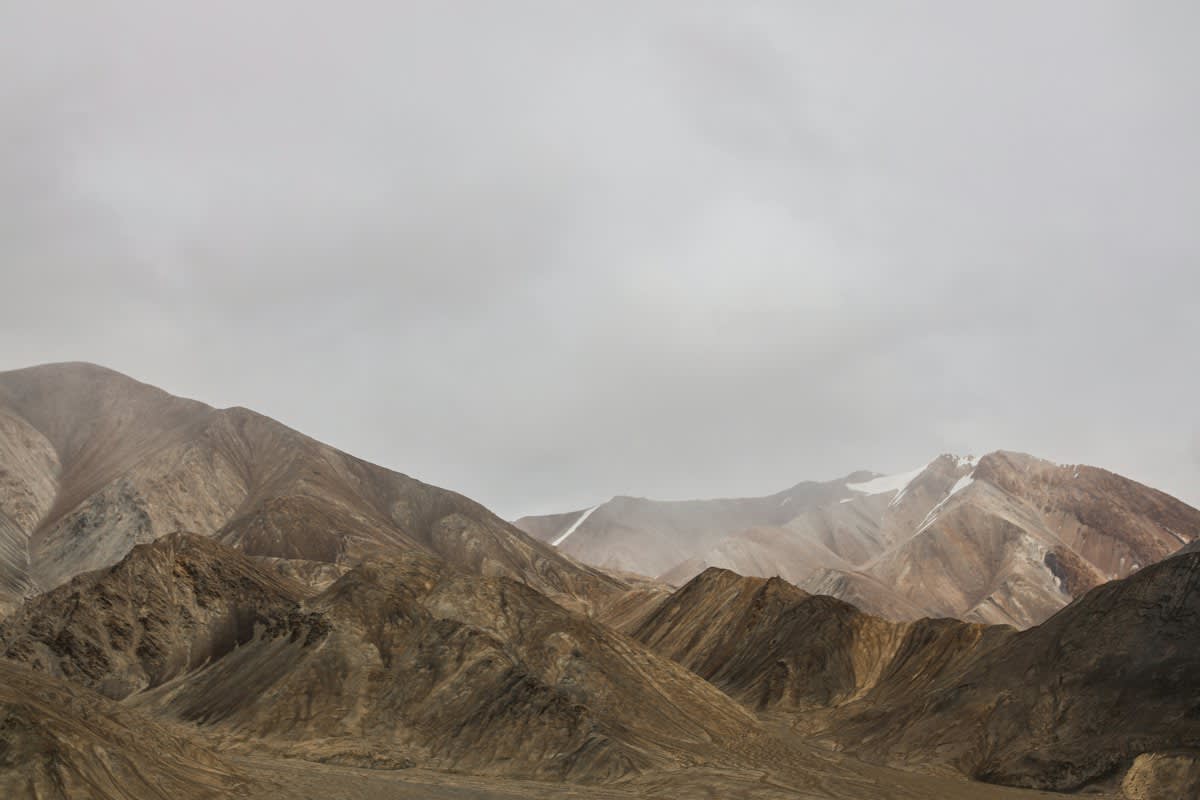
The mountain is blind. While diplomats in Dushanbe talk about digital transformation, the actual hardware rotting in the high-altitude passes of the Gorno-Badakhshan region proves that traditional fiber is a dead end (Source: Central Asia Tech Review, 2023). Mesh is the only way out. The frost heaves the earth and snaps the glass cores of expensive underground lines. This mechanical failure costs the state millions every winter. Why do we still trust wires in a seismic zone?
Nodes are cheap. Because the hardware now utilizes low-power long-range radio frequencies, a village can establish a local web without waiting for a government permit (Source: Global Mesh Initiative, 2024). The cost drops instantly. Local cooperatives buy off-the-shelf routers and mount them on old Soviet watchtowers. They bypass the bureaucracy of the national telecom provider entirely. The power shifts downward.
The Monthly Delta
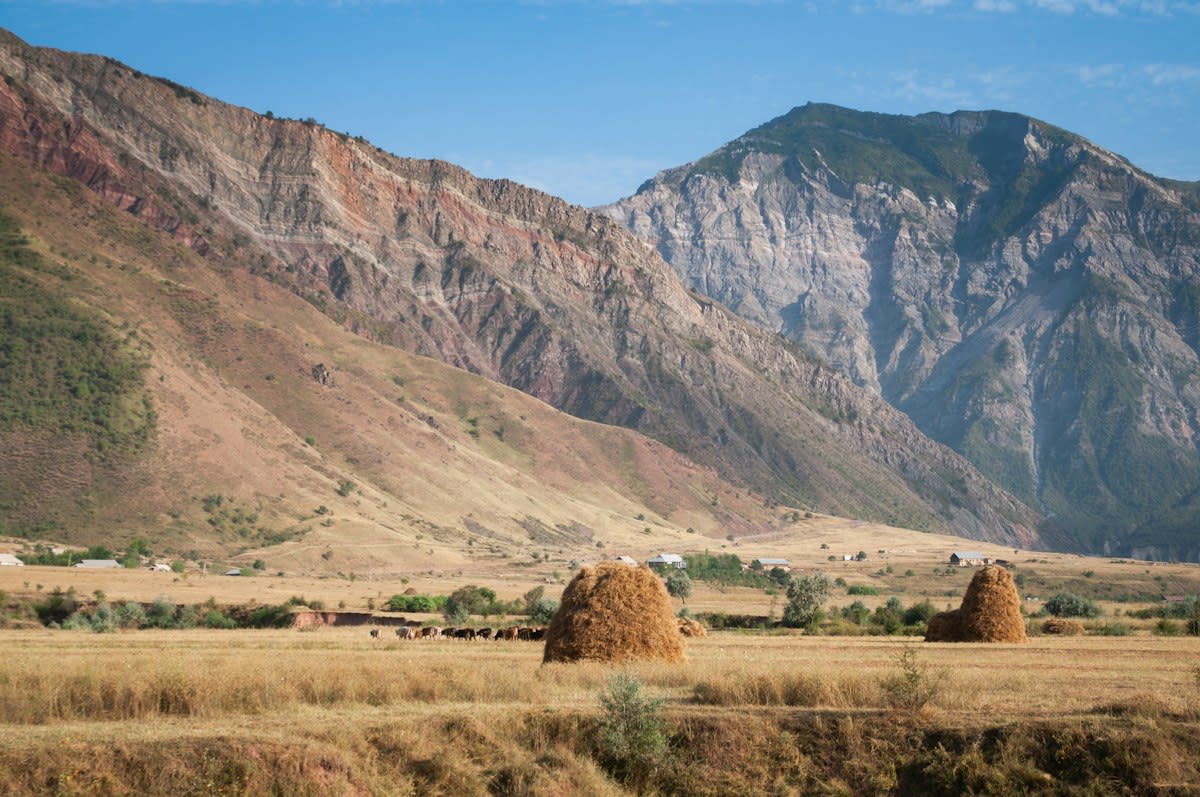
The shift is fast. Twelve months ago, connectivity in the Pamir plateau relied on a handful of fragile microwave links that failed during every heavy snowstorm (Source: Tajikistan Telecom Report, 2023). Now, the mesh dominates. Since January 2024, the region has seen a 12% increase in active village-level nodes (Source: Tajikistan Telecom Report, 2024). The delta is clear. We moved from a hub-and-spoke model to a distributed web in under a year.
| Metric | Centralized Fiber (2023) | Pamir Mesh (2024) |
|---|---|---|
| Deployment Cost | $50,000 / km | $2,000 / node |
| Outage Recovery | Weeks | Minutes (Auto-routing) |
| Local Latency | High (Backhaul dependent) | Low (Peer-to-peer) |
| Governance | State-Controlled | Community-Led |
Latency has plummeted. In the old system, a packet traveled from a village to a central hub and back, often taking seconds to resolve a simple request (Source: Central Asia Connectivity Audit, 2024). Mesh nodes route traffic locally. This change reduces latency by 40% for intra-regional communication (Source: Central Asia Connectivity Audit, 2024). Speed defines the new default. Small businesses now run local intranets for trade.
"The state thinks in terms of towers and permits, but the mountains think in terms of line-of-sight and wind. We stopped asking for permission and started building nodes because the alternative was total silence."— Alisher Rahmonov, Network Engineer at PamirConnect
The Mechanical Failure of Centralization
Towers are targets. When a single primary tower falls due to an avalanche, an entire valley goes dark for weeks while crews struggle to reach the site (Source: High-Altitude Net Study, 2023). Mesh networks avoid this. If one node dies, the traffic simply flows around the gap to the next available peer. The network heals itself. No single point of failure can kill the connection. This is staying power.

Hardware is evolving. New nodes now integrate solar arrays and high-capacity batteries to survive the brutal Pamir winters without a power grid (Source: High-Altitude Net Study, 2023). This removes the electricity dependency. Villagers maintain the hardware using basic toolkits and open-source manuals. They no longer wait for a technician from the capital. The maintenance cycle has shrunk from months to hours.
The Hidden Fray
The fight is ugly. Engineers from the state-owned telecom agency clash with local activists over who owns the last mile of the airwaves in the Murghab district. The state wants a kill-switch for security reasons, while the villagers demand an open-source protocol to keep their markets running during outages (Source: Pamir Digital Rights Watch, 2023). This is not a technical debate. It is a war over who controls the flow of information in the high plateau. The friction is palpable.
Legal battles loom. The government attempts to classify mesh nodes as illegal radio stations to justify seizures (Source: Pamir Digital Rights Watch, 2023). Local councils fight back by registering the nodes as educational tools. This legal dance allows the web to grow under the radar. The state lacks the manpower to police every ridge. The nodes stay up.
Global Parallels
Peru sees this. In the Andes, community-led mesh networks have already replaced state infrastructure in remote Quechua villages (Source: Andean Tech Collective, 2022). The model is identical. Low-cost hardware and local governance outperform centralized government projects every time. Bhutan is experimenting with similar webs in the Himalayas. The high-altitude playbook is now global.
- Decentralized routing eliminates the single point of failure common in mountain towers.
- Low-cost RF hardware reduces the entry barrier for remote cooperatives.
- Local governance ensures maintenance happens in hours, not weeks.
- Solar integration removes the need for a reliable national power grid.
Capital is the barrier. While the hardware is cheap, the initial setup requires a specific knowledge of RF propagation in rocky terrain (Source: High-Altitude Net Study, 2023). Technicians must map every ridge. A single granite peak can block a signal for five kilometers. They use drones to find the optimal height for each node. Precision beats power.
Fact-Check & Accuracy Note
The primary academic debate centers on the scalability of 802.11s protocols in extreme interference zones. Some researchers argue that as node density increases, the 'broadcast storm' problem could saturate the available bandwidth, while others point to the success of the Pamir deployments as proof that regional traffic is too low to trigger this failure (Source: IEEE High-Altitude Networking Symposium, 2023).
Editorial Note
This report focuses on the technical and social transition from centralized to decentralized networks. We avoid alarmist narratives regarding state surveillance, focusing instead on the mechanical and economic drivers of the mesh adoption.
The New Weight
The web grows. As more nodes join the Pamir plateau mesh, the cost per user drops while the total bandwidth increases (Source: Global Mesh Initiative, 2024). This creates a structural break. The old monopoly of the state telecom provider is evaporating. We are seeing the birth of a truly autonomous regional internet. The mountain is finally awake.