Pahalgam attack: China yet to share info on how its GoPro was found on terrorists
Source Entity
PRISHA PATNAIK
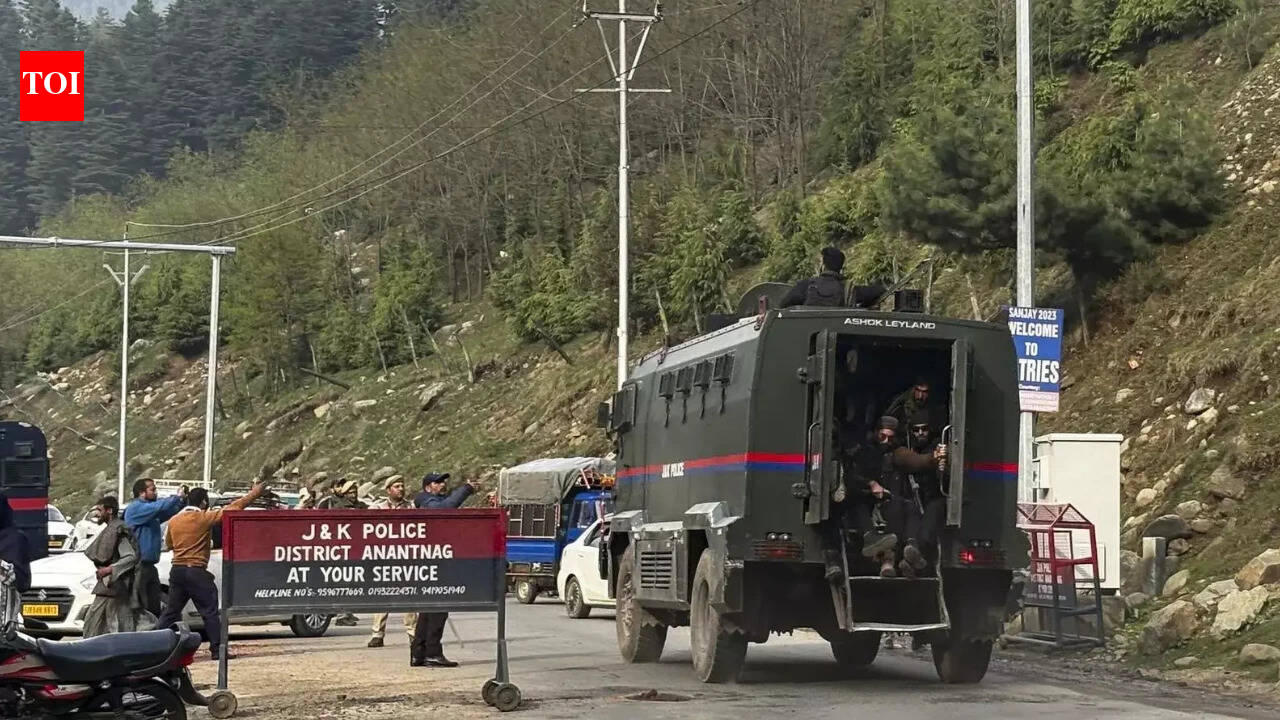
The NIA is awaiting a response from China regarding a GoPro Hero 12 camera used by terrorists in the 2025 Pahalgam attack. Investigators are tracing the supply chain of the US-manufactured device to understand how it reached Pakistan-based LeT operatives.
The Pahalgam Terror Investigation: A Digital Forensic Challenge
The National Investigation Agency (NIA) of India, led by Director General Rakesh Aggarwal, remains locked in a critical diplomatic and forensic impasse regarding the 2025 Pahalgam terror attack. The incident, which claimed the lives of 26 individuals on April 22, 2025, at the Baisaran meadow, has transitioned into a complex international investigation. Central to this inquiry is a GoPro Hero 12 camera, which was recovered from Lashkar-e-Taiba (LeT) terrorists who were subsequently neutralized in the Dachigam forests in July 2025.
The Forensic Significance of the GoPro
Survivors of the attack provided harrowing accounts to investigators, noting that the assailants used the GoPro camera to record their actions in real-time. The recovery of this device has provided the NIA with a high-tech window into the tactical operations and potential communication networks of the terror cell. By analyzing the data within the device, investigators hope to map the logistics chain that allowed such advanced, US-manufactured technology to move from legitimate commercial markets into the hands of militants operating in Jammu and Kashmir.
The Diplomatic Impasse with Beijing
India has formally reached out to China via a letter rogatory (LR)—a standard judicial request for international cooperation—seeking information on the specific supply chain and distribution history of the camera. The device was reportedly part of a batch supplied to China, yet Beijing has failed to provide a response to the NIA’s inquiry. This silence has created a significant hurdle in the investigation, leaving the NIA to rely on its own internal forensic evidence to piece together the narrative of how the equipment was procured.
Implications for Counter-Terrorism Logistics
The presence of high-end consumer technology in the hands of LeT operatives suggests a sophisticated external logistics network. The NIA’s focus on tracing the camera’s origin is not merely a procedural step but a strategic effort to identify the middle-men, front companies, or illicit trade routes that facilitate the equipment of terror outfits. Understanding this supply chain is vital for preventing future attacks and disrupting the financial and material support structures that sustain cross-border terrorism.
Forensic Resilience vs. International Cooperation
While the lack of cooperation from Chinese authorities is a significant setback, DG Rakesh Aggarwal has emphasized that the NIA possesses substantial forensic evidence independent of Beijing’s input. This highlights a shift in modern counter-terrorism, where digital forensics—recovering data from devices and tracking hardware serial numbers—serves as a primary intelligence tool. However, the inability to verify the camera's supply history through official channels underscores the ongoing challenges in international security cooperation.
Future Trends in Terror Investigation
Looking forward, this case sets a precedent for how global supply chains are scrutinized in the context of national security. As terror groups increasingly utilize off-the-shelf, high-tech consumer electronics for tactical recording and communication, agencies like the NIA will likely continue to demand greater transparency from international manufacturers and distributors. The outcome of this investigation will likely influence future protocols for tracking dual-use technology and the legal pressures applied to nations involved in the transit of such goods.