"Baseless Lawsuit": India As US Court Orders Summons To Ajit Doval In Pannun Case
Source Entity
NDTV News Search Records Found 1000
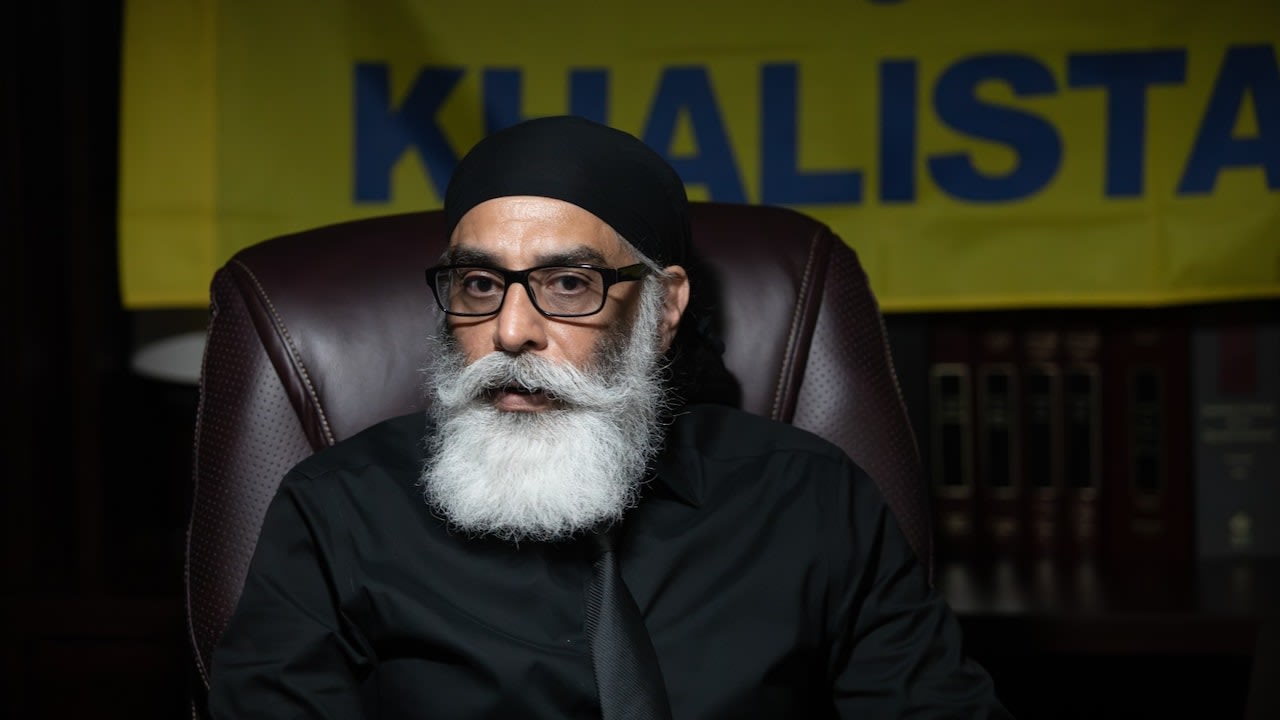
The Indian Ministry of External Affairs has dismissed US court summonses issued to NSA Ajit Doval and former RAW chief Samant Goel. These legal actions stem from a civil lawsuit filed by the pro-Khalistan group Sikhs for Justice, which India has officially rejected as baseless.
India Rejects US Court Summonses in Pannun-Linked Civil Suit
The Diplomatic Standoff
The Ministry of External Affairs (MEA) of India has officially rejected recent US court summonses issued to National Security Advisor (NSA) Ajit Doval and former Research and Analysis Wing (RAW) chief Samant Goel. The summonses, which relate to a civil lawsuit filed by the pro-Khalistan organization Sikhs for Justice (SFJ), have been characterized by New Delhi as entirely baseless. This development marks a significant point of friction in the judicial and diplomatic interactions between India and the United States, highlighting the complexities of navigating transnational legal challenges involving state officials.
Origins of the Legal Dispute
The lawsuit, initiated by SFJ, centers on allegations involving Gurpatwant Singh Pannun, a designated terrorist under Indian law. The US district court's decision to issue summonses follows the group's attempts to hold high-ranking Indian officials accountable for alleged extrajudicial activities. Because the Indian government refused to acknowledge the initial service of process, the court was forced to pursue alternative methods of delivery, a procedural step that has further complicated the diplomatic environment surrounding the case.
Sovereignty and Immunity Concerns
At the heart of India's rejection is the principle of sovereign immunity. By dismissing the summonses, India is asserting that its top national security officials are protected from being dragged into foreign civil litigation regarding their official duties. The Indian government views these legal maneuvers as politically motivated attempts to undermine its security apparatus and interfere in its domestic affairs by utilizing the US judicial system as a platform for separatist narratives.
Broader Geopolitical Implications
This incident does not occur in a vacuum; it follows a period of heightened scrutiny over allegations of covert operations on foreign soil. The involvement of the US judicial system in these allegations adds a legal layer to what is primarily a geopolitical dispute. As India and the US continue to strengthen their strategic partnership, incidents like this test the resilience of their bilateral ties, forcing both nations to balance the independence of their judiciary with the necessities of diplomatic protocol.
Future Trends and Judicial Hurdles
Moving forward, the case is likely to face significant procedural hurdles. The enforceability of such summonses against foreign state officials is notoriously difficult, and India’s firm stance suggests it will continue to challenge the jurisdiction of US courts in this matter. Observers expect that while the lawsuit may proceed in a technical sense, it is unlikely to result in direct consequences for the named officials, serving instead as a point of contention that both governments will have to manage to prevent further strain on their relationship.
Conclusive Summary
In summary, the MEA's rejection of the US court summonses underscores India's commitment to protecting its officials from what it deems frivolous and politically motivated litigation. The interaction between the SFJ’s legal strategy and India's firm diplomatic rebuttal highlights the ongoing challenges of navigating international legal standards in the context of national security and separatist movements. The situation remains a critical watchpoint for analysts tracking the evolution of US-India relations and the limits of extraterritorial judicial reach.
Verification Required?