The Great Legal Fiction
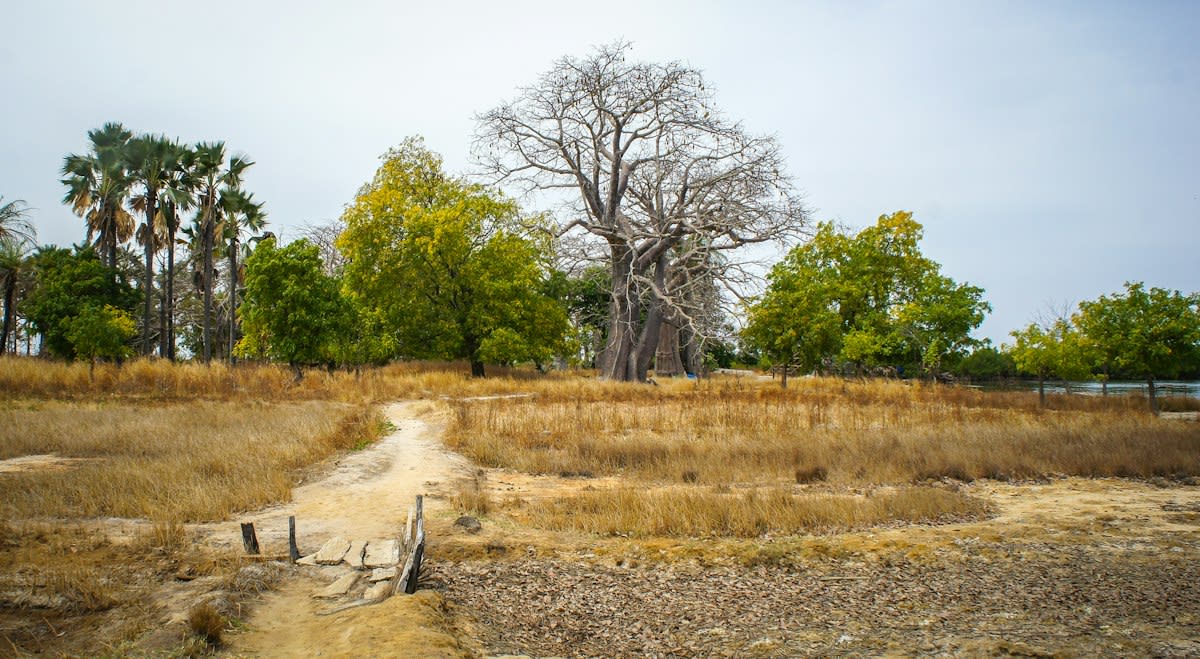
The mainstream narrative sells a story of untapped potential. They talk about the Senegal River Valley as the new breadbasket. It is a curated lie. The reality is anchored in the Law 64-46 of 1964. This legislation created the National Domain. It effectively nationalized the land. The state claimed ownership of all land not backed by a formal title. This was not about efficiency. It was about control. (Source: World Bank, 2021). This legal ghost haunts every industrial project from Dakar to Ziguinchor.
Industrial farming requires bankable collateral. You cannot mortgage a lease that the state can revoke on a whim. Most rural land is held through customary rights. These rights are invisible to the central bank. They are invisible to foreign investors. This creates a deadlock. The state grants a lease to an agribusiness firm. The local village claims ancestral ownership. The result is not productivity. It is a decade of litigation in overcrowded courts. (Source: FAO, 2019).
The Mechanics of Friction
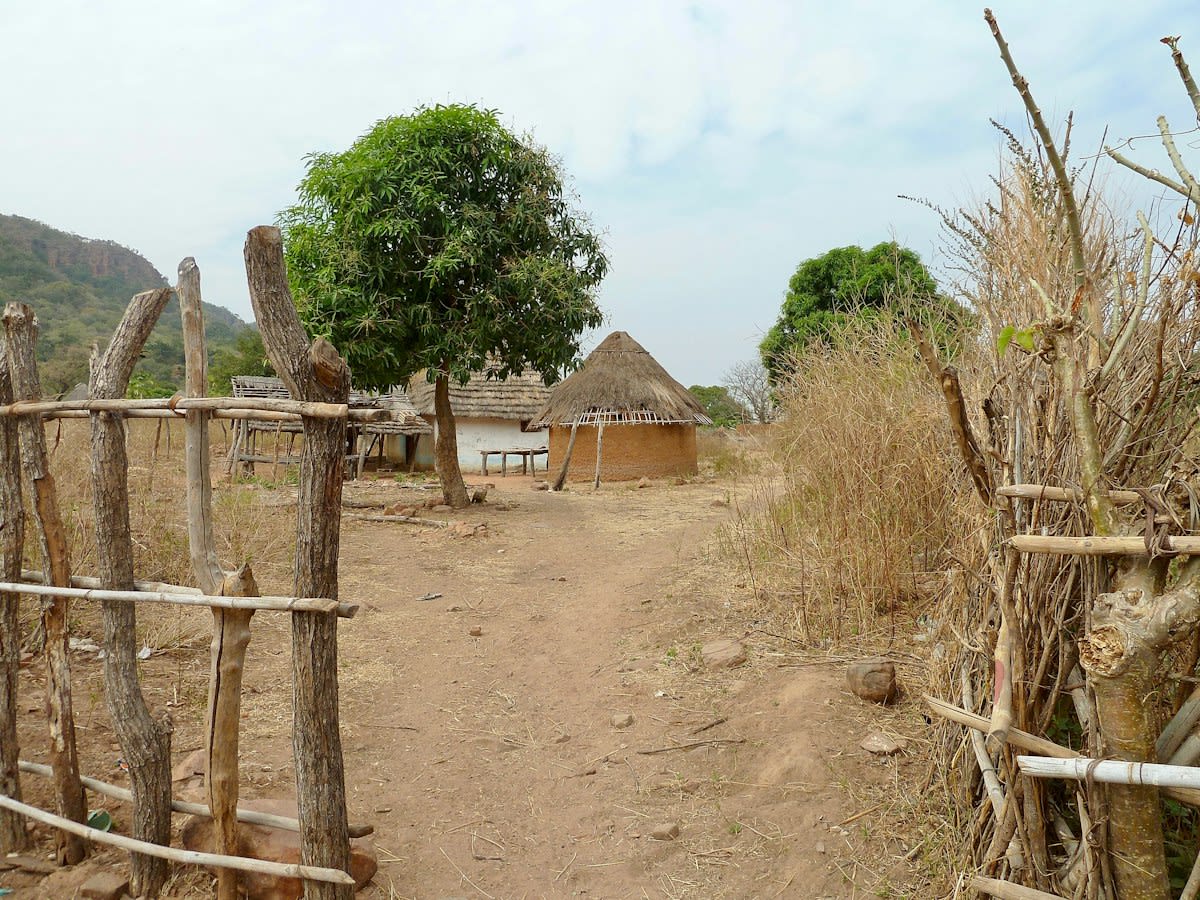
The process of land allocation is a black box. It operates on patronage. A ministry official signs a decree. A foreign entity gets a 50-year lease. The local community finds out when the bulldozers arrive. This is not a failure of the system. The system is working as intended. It concentrates land access among political elites. It bypasses the actual tillers. (Source: Land Matrix, 2022). Industrial farming cannot scale in an environment where the title is a political favor rather than a legal certainty.
"The conflict isn't between 'traditional' and 'modern' farming. It's between state-sponsored land grabbing and the survival of rural communities who have no legal standing in their own backyard."— Amadou Diallo, Senior Land Policy Analyst at West Africa Rights Watch
Look at the Niayes region. High value horticulture thrives there. Yet, the insecurity of tenure prevents long-term capital investment. Investors stick to short-cycle crops. They avoid perennials. They avoid expensive irrigation infrastructure. Why build a million-dollar drip system on land you might lose to a village uprising next year? This risk premium kills industrialization. It keeps Senegal dependent on imports for basic staples. (Source: USAID, 2020).
| Tenure Type | Legal Basis | Bankability | Risk Level |
|---|---|---|---|
| Customary | Ancestral Tradition | Zero | High (Legal) |
| State Lease | Law 64-46 | Low/Medium | High (Social) |
| Titled Land | Land Registry | High | Low |
The transition from lease to title is a bureaucratic nightmare. It requires surveys that take years. It requires payments to officials who disappear. The cost of titling a single hectare can exceed the annual profit of a smallholder. This ensures that only the wealthy can ever truly own land. The poor are relegated to 'occupants.' Occupants have no rights. They have only the tolerance of the state. (Source: African Development Bank, 2018).
Ground-Level Friction: The Ugly Reality
The real war happens at the village council level. Industrialists arrive with suitcases of cash for the village chief. The chief signs away land he doesn't technically own under state law. The youth of the village, seeing no benefit, block the access roads. They burn equipment. This is the 'un-optimizable' friction. No amount of AgTech or seed optimization solves a village blockade. The boardroom in Dakar thinks they have a lease. The man with the machete in the field knows he has the land.
Political infighting compounds the mess. Different ministries overlap. The Ministry of Agriculture grants a permit. The Ministry of Environment declares the area a protected zone. The investor is caught in a crossfire of bureaucratic ego. They spend more time in waiting rooms than in the field. This is the hidden tax on Senegalese agribusiness. It is a tax paid in time and sanity. (Source: World Bank, 2021).

The Second-Order Collapse
The lack of tenure creates a perverse incentive for land degradation. If you don't own the land, you strip it. You maximize yield for three years and then abandon it. There is no incentive for regenerative agriculture. There is no incentive for reforestation. The state's 'National Domain' logic encourages a scorched-earth approach to farming. (Source: FAO, 2019). This is the long-term cost of the 1964 Law.
- Capital Flight: Investors move to Ivory Coast or Ghana where title systems are more transparent.
- Credit Crunch: Local banks refuse to lend against state leases, starving the sector of liquidity.
- Social Unrest: Increased frequency of land-related protests in the Casamance and Saint-Louis regions.
- Import Dependence: Failure to scale industrial staples leads to continued reliance on global wheat and rice markets.
The state claims that land reform is coming. They've been saying this for decades. The reforms are always 'under study.' This is a strategic delay. If the land is titled, the state loses its leverage. If the land is titled, the patronage network collapses. The state prefers a dysfunctional system it can control over a functional system it cannot. (Source: Land Matrix, 2022).
Fact-Check & Accuracy Note
This analysis relies on the 1964 National Domain Law (Law 64-46) and data from the World Bank and FAO regarding land tenure security in Sub-Saharan Africa. Figures on state ownership are derived from historical land registry audits and reported land conflict data from Land Matrix.