
The Hidden Cost of the Grid
You installed the panels. You watched the hardware costs drop year after year. Yet, when the monthly statement arrives, the numbers are still creeping upward. Why? Because you are still tethered to a legacy system that uses you as a funding mechanism. Electricity prices are typically approved through utility rate cases, where the costs of massive infrastructure buildouts are passed directly onto the customer's bill (Source: Reuters, 2026). You aren't just paying for the electrons you use; you are paying for the utility's outdated transformers, their aging poles, and their slow transition to a modern grid.
This creates a frustrating cycle. While the cost of producing a kilowatt-hour of solar energy has crashed, the cost of accessing the grid has surged. This is the reality of the power supercycle. Traditional utility responses to energy demand result in consumers footing the bill for infrastructure that might not even be operational within the current decade (Source: Reuters, 2026). If you only have solar panels, you are still a passenger in this system, subject to the whims of rate hikes that ignore your personal investment in green energy.
"Without distributed generation, consumers have no agency over the energy costs they are funding. Residential solar and storage break that dependency."— Investor Analysis, Reuters (2026)
To actually stop the bleeding, you have to change your role from a passive consumer to an active energy manager. This means moving beyond the 'solar-only' mindset. The goal isn't just to generate power; it is to decouple your home's financial health from the utility's balance sheet. This is where energy storage transforms from a luxury backup into a financial tool.
Prerequisites for Energy Autonomy
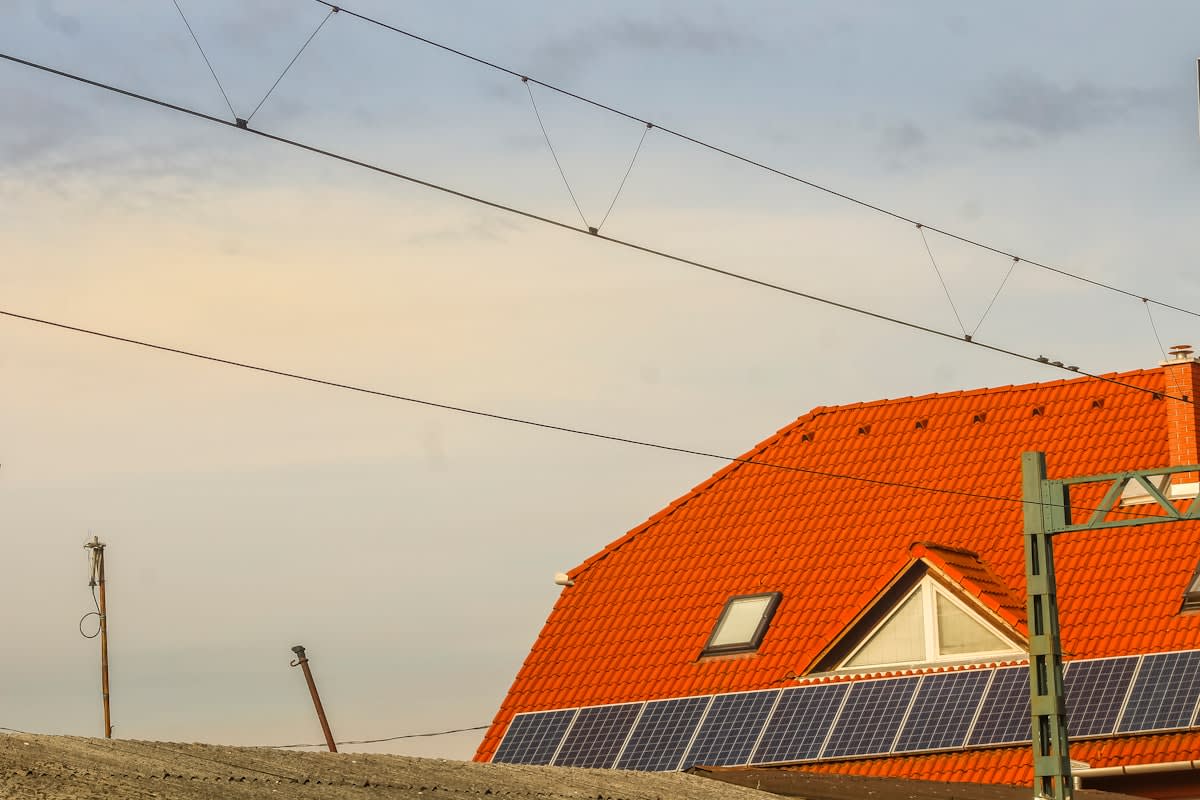
- Rooftop Photovoltaic (PV) System: Your primary energy engine.
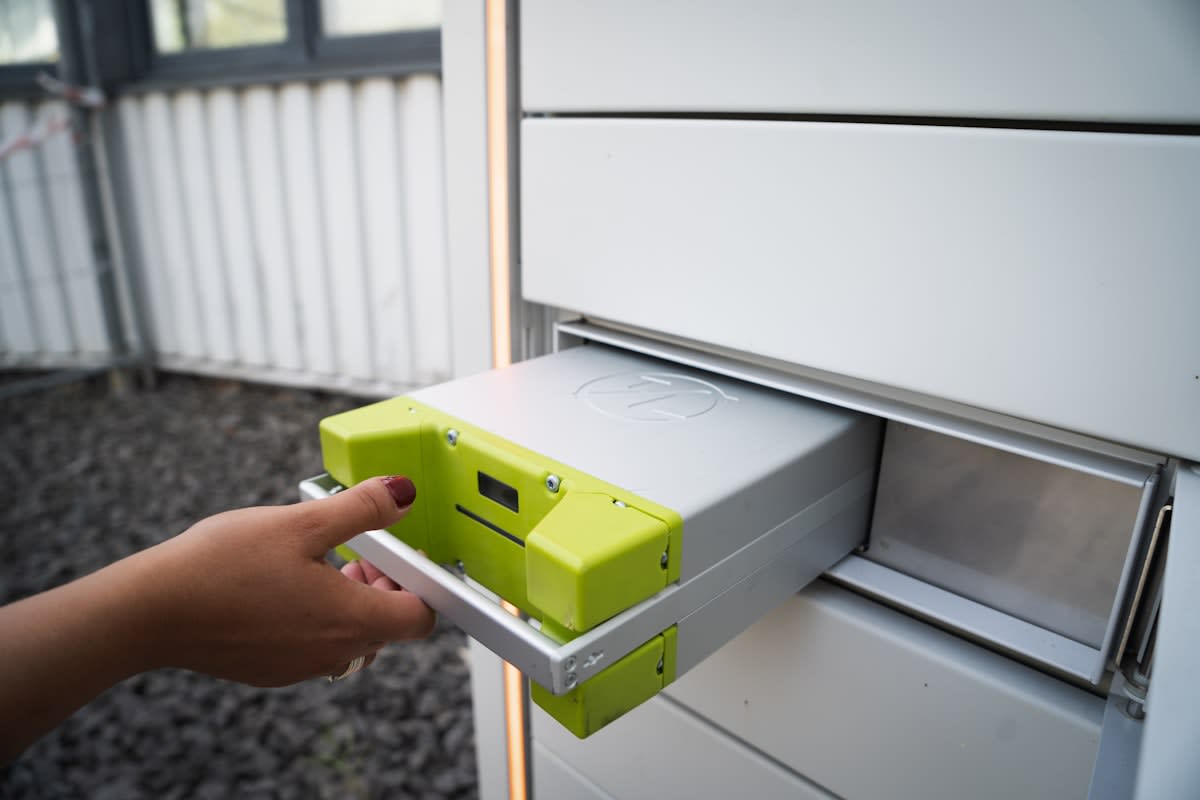
- Battery Energy Storage System (BESS): The buffer that allows you to ignore peak pricing.
- Energy Management System (EMS): The software brain that optimizes when to store and when to spend.
- Grid Interconnection Agreement: A legal framework allowing you to dispatch energy back to the market.
Before you buy more hardware, understand that the EMS is the most undervalued part of the stack. A battery without a smart EMS is just a very expensive flashlight. You need a system that can handle household energy optimization, maximizing your self-consumption of solar power so that you never buy a single kilowatt from the grid during the most expensive windows of the day (Source: NatLawReview, 2026).
How to Break the Dependency: A Step-by-Step Approach
- Audit your load profile to identify your 'Evening Peak'. Most homes experience a surge around 6 pm when solar production drops but demand spikes (Source: MGA Thermal, 2026).
- Right-size your storage for 'Self-Consumption' rather than just 'Backup'. Total backup requires massive capacity; self-consumption only requires enough to bridge the gap between sunset and sleep.
- Integrate with a Virtual Power Plant (VPP). Instead of just saving money, you can earn it by dispatching stored energy into wholesale markets during high-demand windows (Source: Reuters, 2026).
- Configure your EMS for 'Peak-Valley Arbitrage'. Charge your batteries when grid prices are lowest (or from solar) and discharge them when the utility charges a premium.
The technical friction here is the 'evening peak.' Solar PV produces DC electricity only when the sun is shining, meaning it has no inherent way to handle the 6 pm ramp-up when people return home from work (Source: MGA Thermal, 2026). Grid operators struggle with this steep ramp-up because solar lacks the 'inertia' provided by traditional spinning turbines. By using a battery to shave this peak, you aren't just saving money; you are providing a service to the grid that can be monetized.
Look at the data: this shift is already happening at scale. In the US, residential battery attachment rates for new solar installations jumped from 6% in 2020 to 37% in 2025 (Source: Lawrence Berkeley National Laboratory, 2025). Some providers, like Sunrun, have seen attachment rates climb to 70% as of Q3 2025 (Source: Sunrun, 2025). This isn't a trend; it is a fundamental rewrite of the residential energy contract.
| Feature | Solar-Only System | Solar + Storage System |
|---|---|---|
| Grid Dependency | High (Night/Cloudy days) | Low (Buffered by battery) |
| Rate Hike Protection | Minimal | High (Via arbitrage) |
| Revenue Potential | Low (Net metering only) | High (VPP participation) |
| Grid Stability Role | Passive | Active (Provides inertia/buffer) |
From the trenches, I can tell you that the installation process is rarely as clean as the brochure suggests. You will likely face arguments with your local utility over interconnection agreements, and you might find that your existing inverter isn't compatible with the battery you want. The real friction happens in the 'handshake' between the hardware and the software. I've seen homeowners spend thousands on batteries only to realize their EMS is too primitive to actually perform peak-valley arbitrage, leaving them with a very expensive backup system that does nothing to lower their daily bill.
The Ugly Realities: Common Pitfalls
One of the biggest mistakes I see is the 'Capacity Trap.' Homeowners often over-buy battery capacity, trying to power their entire house for a week-long blackout. This ruins the return on investment (ROI). For most, the goal should be reducing the electricity bill, not surviving an apocalypse. Focus on the daily cycle: store the midday solar excess and use it to kill the 6 pm peak. This is the fastest path to profitability.
Another pitfall is confusing 'Product Performance' with 'Brand Power.' Residential energy storage is increasingly a 'toC' (to-consumer) business where marketing often outweighs technical specs (Source: 36kr, 2026). Don't buy based on the brand's ecosystem alone. Look at the cycle life, the depth of discharge (DoD), and the actual compatibility of the EMS with your local utility's VPP programs. A flashy app doesn't save you money; an efficient discharge cycle does.
Finally, don't ignore the VPP opportunity. Virtual Power Plants are where the real money is moving. Sunrun reported a 400% increase in VPP enrollments (Source: Sunrun, 2025). By allowing a third party to orchestrate your battery's discharge during grid emergencies, you turn your home into a micro-utility. This flips the script: instead of the utility using your bill to fund their infrastructure, you use their demand to fund your system.
Editorial Note
This guide focuses on the transition from passive solar generation to active energy management. While the hardware costs of PV have dropped, the economic value has shifted toward storage and software-driven orchestration. The advice provided here prioritizes financial ROI over total off-grid independence.
Fact-Check & Accuracy Note
Key claims regarding US battery attachment rates (37% in 2025) are sourced from the Lawrence Berkeley National Laboratory (LBNL). VPP growth and Sunrun's 70% attachment rate are based on 2025 corporate reporting. The role of 'inertia' and the '6 pm peak' are based on technical analysis from MGA Thermal (2026). The distinction between residential and C&I storage models is sourced from 36kr (2026).