Labour tax raids make US gas cheaper than North Sea supplies
Source Entity
Yahoo Finance
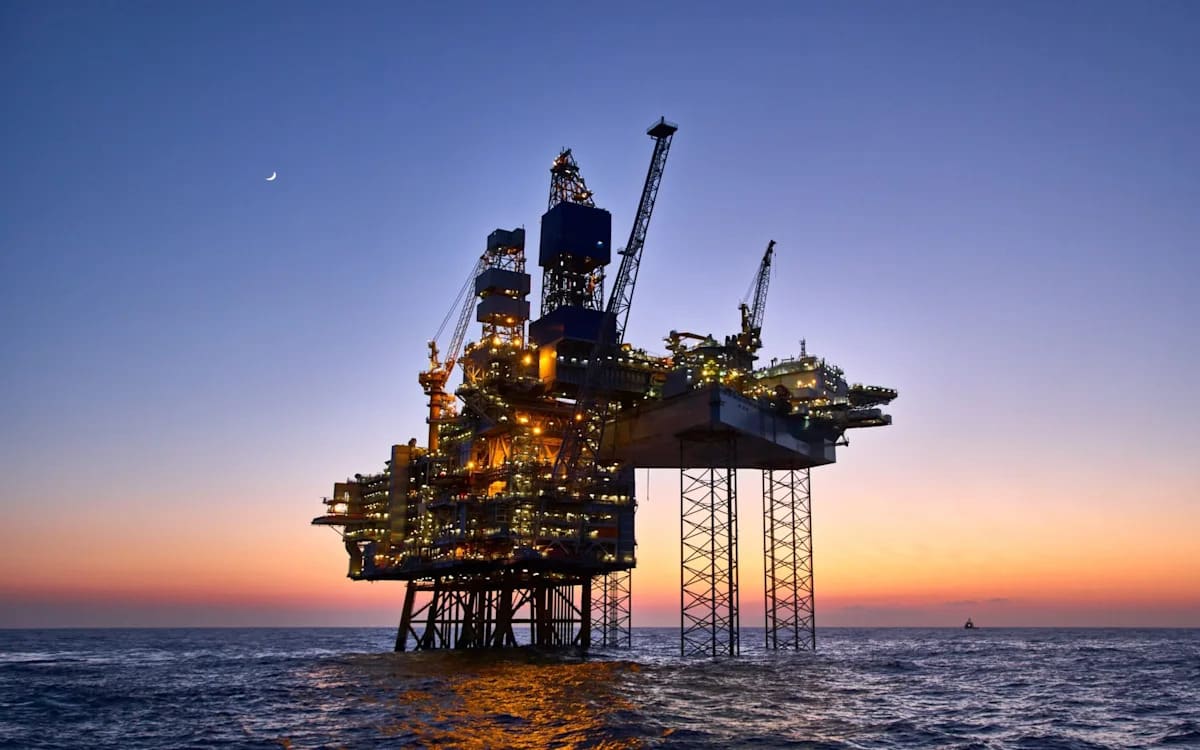
Labour's expanded windfall taxes on North Sea energy production have made domestic gas significantly more expensive than US imports. Experts warn that these fiscal policies are discouraging investment in critical fields like Rosebank and Jackdaw.
The Economic Impact of North Sea Tax Policies
Recent analysis from Thunder Said Energy has brought to light a growing disparity in the energy sector, revealing that the cost of extracting gas from the UK Continental Shelf is now approximately 50 percent higher than the cost of importing liquefied natural gas (LNG) from the United States. This economic shift, occurring despite the logistical hurdles of liquefaction and transatlantic shipping, highlights the heavy burden placed on domestic producers by current fiscal regimes.
The Role of Windfall Taxation
The root of this cost imbalance lies in the 'oil and gas windfall tax,' a fiscal measure originally introduced by the Conservative government and subsequently expanded under the Labour administration. Analysts have described the current tax environment as "totally crazy," noting that the cumulative effect of these levies has fundamentally altered the investment landscape for domestic energy companies. By increasing the tax burden on extraction, the policy has inadvertently made homegrown energy less competitive than foreign imports.
Strategic Implications for Rosebank and Jackdaw
The current tax climate has placed projects like Rosebank and Jackdaw at a critical crossroads. These fields are essential to domestic energy security, yet the high costs associated with the windfall tax are deterring the necessary capital expenditure required to bring them online. Pressure is mounting on political figures, including Andy Burnham, to reconsider the regulatory and fiscal hurdles facing these sites to ensure that the UK does not become overly reliant on expensive foreign energy markets.
Comparative Energy Economics
To understand the gravity of this situation, one must look at the efficiency of the US LNG model. Even with the added expenses of extraction, cooling gas into a liquid state for transport, and navigating thousands of miles of ocean, US gas remains cheaper to deliver to Europe than gas extracted from the UK's own backyard. This suggests that the UK's high production costs are not a result of geographical or geological difficulty, but rather a direct byproduct of government-imposed fiscal policy.
Future Trends and Energy Security
If the current trend continues, the UK risks a long-term decline in domestic energy production, leading to increased exposure to the volatility of global markets. As domestic fields become economically unviable, the nation may find itself trading energy independence for lower-cost, imported alternatives. This transition poses a significant challenge for policymakers who must balance the desire for windfall tax revenue with the urgent need for a stable and affordable domestic energy supply.