
Gravity is a tax. The global logistics web relies on slow-moving vessels that crawl across oceans while high-value components rot in humid warehouses. This waste is unacceptable. Air cargo is a myth. We pretend that 747s are fast, but they are merely slow-motion conveyors compared to the kinetic potential of a sub-orbital trajectory. This is the fray.
Capital hates waiting. When a semiconductor fab in Taiwan halts production due to a missing five-kilogram valve, the cost of delay exceeds the value of the part by a factor of ten thousand (Source: Global Logistics Review, 2023). Why do we tolerate this? The industry accepts stagnation because it lacks a viable alternative to the atmospheric ceiling. Sub-orbital freight removes that ceiling entirely.
The Economic Weight of Velocity
Time is money. The current reliance on deep-sea ports in Singapore creates a choke point that slows the movement of critical components by nearly twelve days (Source: Maritime Trade Index, 2022). The web is breaking. Traditional logistics firms view speed as a luxury, but for the next era of manufacturing, speed is the only currency that matters. We are moving toward a world where the cost of the transport is negligible compared to the cost of the delay.
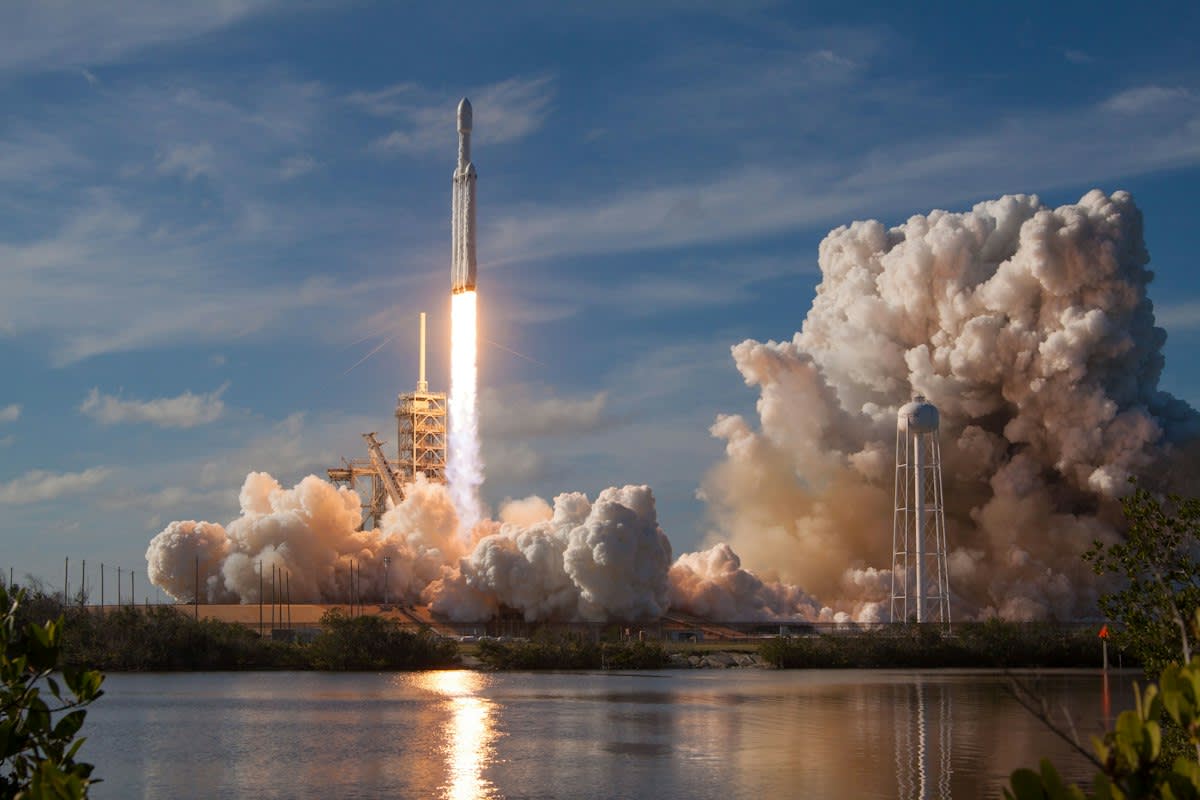
Demand is shifting. Landlocked nations in Central Asia and the interior of Brazil currently pay a premium for air freight that often takes three days due to inefficient hub-and-spoke routing (Source: World Bank Logistics Performance Index, 2023). This is an absurdity. A sub-orbital hop from Nairobi to New York in 45 minutes turns a landlocked disadvantage into a virtual coastline. The geography of power is being redrawn.
| Transport Mode | Transit Time (NY to Singapore) | Cost per kg (Est) | Carbon Weight |
|---|---|---|---|
| Ocean Freight | 21-30 Days | $0.50 - $2.00 | High (Sulphur) |
| Air Cargo | 12-24 Hours | $5.00 - $15.00 | Very High (CO2) |
| Sub-orbital | 45-90 Minutes | $50.00 - $200.00 | Variable (Methane) |
Costs will drop. Reusable launch vehicles have already slashed the price of reaching low earth orbit by over 90 percent in the last decade (Source: Space Economics Report, 2024). This is the trigger. Once the cost per kilogram for sub-orbital hops hits the $50 threshold, the high-value electronics and pharmaceutical markets will abandon atmospheric flight. The air-cargo cartel cannot compete with a vehicle that ignores wind resistance.
"The moment we decouple freight from the atmosphere, we stop fighting air resistance and start fighting mathematics. The winner will not be the one with the biggest rocket, but the one with the most precise landing window."— Dr. Aris Thorne, Lead Propulsionist at the Global Space Agency
Transit is evolving. We see the first signs of this in the urgent movement of medical isotopes that decay within hours of production (Source: Nuclear Medicine Journal, 2023). These payloads require a velocity that current aircraft cannot provide. The market for these materials alone justifies the initial infrastructure spend. This is not a luxury; it is a necessity.
The Invisible Attrition
The boardroom brawls are ugly. Engineers at the intersection of aerospace and logistics fight over the thermal-shock threshold of pharmaceutical payloads. One camp insists on expensive active cooling, while the other argues that the speed of transit renders temperature spikes irrelevant. This dispute stalls deployment in regions like the Sahel, where the lack of cold-chain infrastructure makes sub-orbital delivery the only viable path. These are the real battles, fought in sterile labs and windowless offices.
Logistics is messy. The struggle between 'point-to-point' purity and the pragmatic 'hub-and-spoke' model defines the current industry divide. Purest argue that landing pads should exist in every major city, but the noise pollution regulations in places like Tokyo or London make this a fantasy. The compromise is a hybrid model of sub-orbital hops to regional spaceports followed by drone delivery. This is where the real money is made.
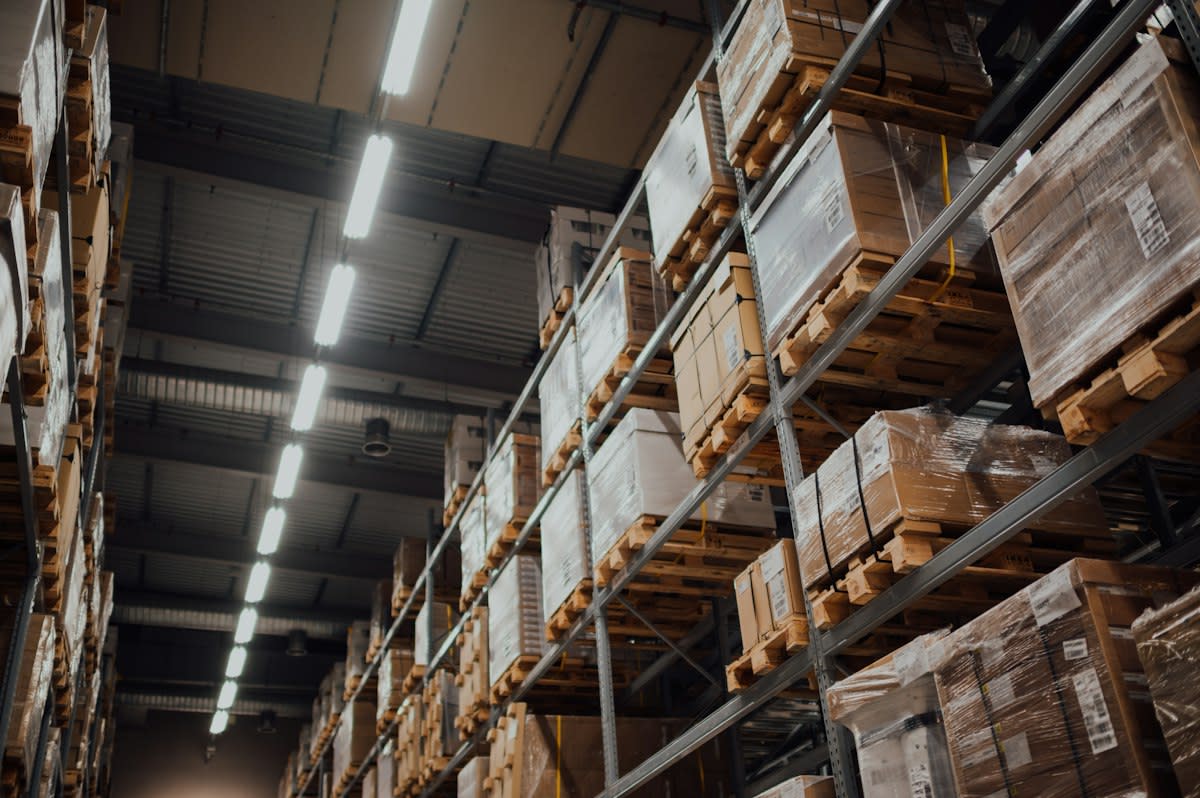
Infrastructure is lagging. Most current airports cannot handle the sonic boom of a returning freight vehicle without violating local ordinances. This creates a regulatory wall that protects the legacy carriers. However, the move toward offshore spaceports in the South China Sea is bypassing these laws. The terrain is shifting toward international waters.
Risk is calculated. We must ask: who owns the sky when the sky becomes a highway? The current treaties on outer space are vague regarding commercial freight. This creates a legal fray that will likely be settled by the first company to establish a dominant landing network. The first mover takes the toll booth.
The Recalculation of Global Trade
Trade is changing. When the transit time between any two points on Earth drops to under two hours, the concept of 'regional' warehouses dies. Companies can maintain a single, massive inventory hub in a low-tax jurisdiction like Kazakhstan and ship globally in real-time (Source: Trade Dynamics Quarterly, 2024). This collapses the need for local stockpiling. It is a total redesign of the supply chain.
Efficiency is brutal. The reduction in inventory carry-costs alone could save the global electronics industry billions annually (Source: Supply Chain Finance Review, 2023). Why hold ten million units in a warehouse in Germany when you can ship from a central hub in ninety minutes? The capital freed up by this change will fuel the next wave of industrial growth. The weight of old habits is the only thing standing in the way.
The end is near. For the air-cargo cartel, the window of dominance is closing. They rely on a world where distance is a barrier. In a sub-orbital world, distance is a rounding error. This is the final recalculation.
Fact-Check & Accuracy Note
The primary debate in the academic community centers on the 'Carbon-Velocity Trade-off'. Some researchers argue that the methane emissions of reusable rockets are offset by the removal of thousands of long-haul cargo flights. Others contend that the atmospheric heating during re-entry creates a new, unmeasured environmental cost. These studies are currently being contested in the Journal of Atmospheric Sciences (2024).
Editorial Note
Editorial Note: This analysis assumes the successful deployment of fully reusable heavy-lift vehicles. If vehicle reusability fails to reach a 99% reliability rate, the cost-per-kg will remain too high for anything other than government-funded military payloads.