Why is there a shortage of 'wizard' elevator mechanics?
Source Entity
BBC News
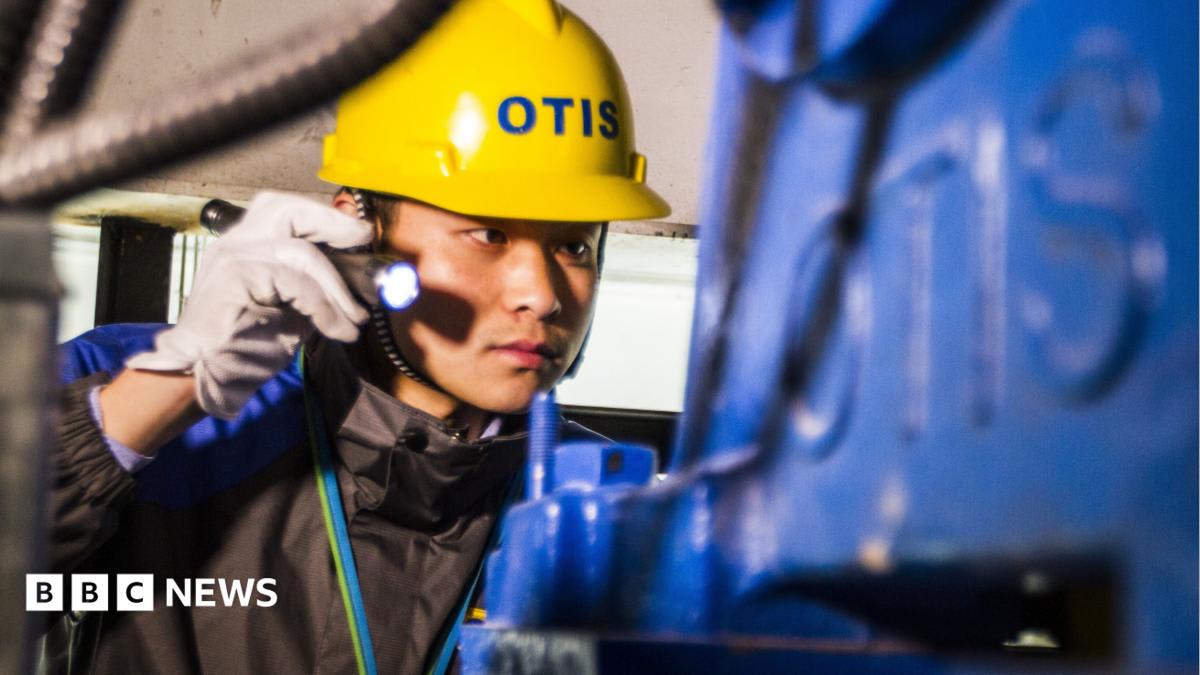
A significant shortage of skilled elevator mechanics persists despite high salaries and consistent demand. The gap is driven by a combination of specialized training requirements, hazardous working conditions, and supply chain constraints.
The Hidden Crisis: Why Elevator Mechanics are in Short Supply
Elevators are the invisible infrastructure of modern urban life, yet their maintenance is becoming an increasingly difficult challenge. While the necessity of these lifts is undisputed—particularly for elderly residents and those with mobility impairments—the industry is currently facing a critical labor shortage. This vacancy in the workforce is paradoxical, given that the profession offers competitive compensation and near-constant demand in a world defined by high-rise living.
The Human Impact of Maintenance Delays
The consequences of this shortage are not merely economic; they are deeply personal. Recent events in Hawaii, where storm-damaged elevators left residents trapped in their homes for weeks, highlight the fragility of our vertical transit systems. When mechanics are unavailable, the most vulnerable members of society bear the brunt of the failure. This reliance on functional lifts underscores the fact that elevator maintenance is an essential public service, rather than a luxury utility.
The Economic Paradox of the Trade
In the United States, the average salary for a lift mechanic currently sits at approximately $110,000. Despite this high earning potential, the industry struggles to attract and retain new talent. This suggests that the barrier to entry is not financial, but rather structural. The trade requires a complex, multi-disciplinary skill set, encompassing electrical, mechanical, and safety systems, which may discourage potential entrants who are unaware of the career's long-term stability and growth.
Risks and Realities of the Field
Beyond the technical learning curve, the profession carries inherent risks that cannot be ignored. Mechanics work in high-stakes environments where the potential for falls from extreme heights or electrocution is a constant reality. Industry veterans like Lembesis note that the job also involves unpredictable human interactions, ranging from the technical pressure of rescue operations to the occasional, unexpected frustrations of residents waiting for repairs.
Future Trends and Industry Outlook
As urbanization continues to intensify and building heights increase, the demand for skilled technicians is only expected to rise. The combination of supply chain issues regarding parts and a shrinking pool of qualified labor creates a bottleneck that threatens to exacerbate future outages. Moving forward, the industry will likely need to focus on better vocational outreach and safety training to bridge the gap between the high demand for services and the current lack of available 'wizard' mechanics to perform them.