
The public square is dead. What remains are sterile corridors of consumption designed to move bodies efficiently toward a point of sale. You can smell the diesel soot clinging to the damp concrete of the new transit hubs. These are not places for gathering, but for transit, managed by private security and monitored by high-definition cameras that never blink. The social contract has been rewritten as a lease agreement.
Urban planning now prioritizes the flow of capital over the flow of conversation. In the Global South, the transformation is more aggressive, with port terminals and logistics warehouses swallowing the land where informal markets once breathed. These zones are characterized by scorched asphalt and the constant, low-frequency thrum of humming transformers. The result is a city of silos where the only shared experience is the wait for a delayed shipment (Source: UN-Habitat, 2020).
The Commodity of Connection
Pay-to-play socialization is the new standard. The coffee shop is the primary example of the pseudo-third space, where the price of a latte is the entry fee for a chair. Stale air-conditioning masks the scent of burnt beans and desperation. These spaces provide the illusion of community while enforcing a strict code of consumer behavior. If you stop buying, you become a loiterer.
The technical definition of a third space requires it to be neutral ground, accessible to all, and devoid of the pressures of home or work (Source: Oldenburg, 1989). Modern urbanism has stripped these requirements away in favor of monetized square footage. We see this in the rise of the lifestyle center, where every bench is designed to be uncomfortable after fifteen minutes. The objective is throughput, not lingering.
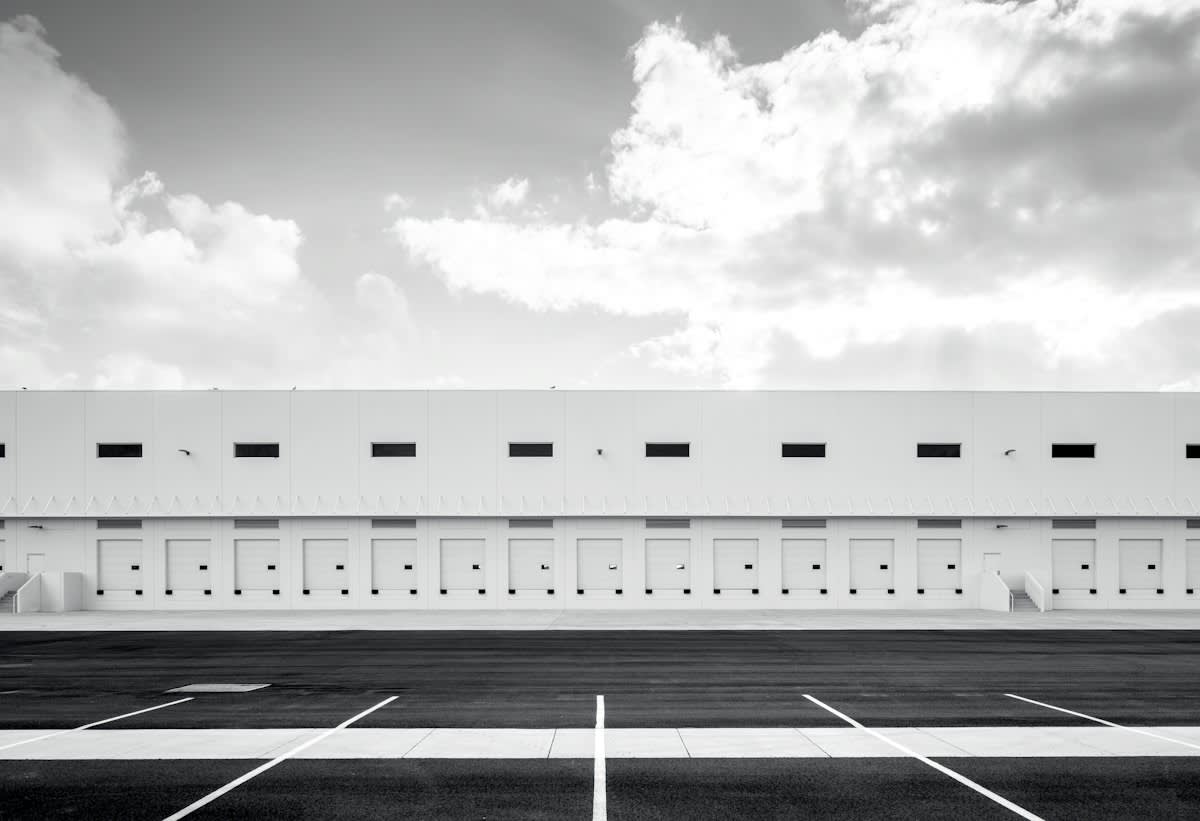
Consider the abandoned mall. These structures are the tombstones of a failed social experiment. Inside, flickering fluorescent tubes illuminate empty food courts and alkaline dust settles on plastic palms. They were marketed as town squares but functioned as shopping malls. Now they serve as temporary storage for e-commerce giants, further removing the human element from the urban core.
"The third space is not merely a location; it is a psychological necessity for a functioning citizenry. When we replace the plaza with the warehouse, we replace the citizen with the consumer."— Ray Oldenburg, Sociologist and Author of The Great Good Place
This shift is not accidental. It is a calculated move to reduce the potential for unmonitored assembly. Private ownership of public-facing spaces allows for the immediate removal of anyone who does not fit the desired aesthetic. The resistance to this trend is usually limited to small-scale guerrilla gardening or illegal street art. These are minor glitches in a broader program of sterilization.
| Space Type | Ownership | Entry Cost | Primary Function |
|---|---|---|---|
| Public Library | Municipal | Zero | Knowledge/Quietude |
| Corporate Cafe | Private | Variable | Consumption/Work |
| Logistics Hub | Corporate | Prohibited | Freight Movement |
| Digital Forum | Private | Data/Attention | Algorithmic Echo |
The transition from physical to digital third spaces has only worsened the isolation. We trade the smell of damp concrete for the blue light of a screen. Social cohesion metrics show a sharp decline in trust toward neighbors as physical interaction points vanish (Source: OECD, 2021). The digital square is a curated feed, not a community.
In server farm districts, the physical manifestation of the digital third space is a windowless concrete box. These facilities consume massive amounts of power, adding to the hum of the city while providing zero social utility to the surrounding neighborhood. They are the ultimate non-places. They exist to facilitate a connection that happens elsewhere, leaving the local environment a wasteland of scorched asphalt.

From a practitioner's perspective, the debate in city hall is a farce. Planners talk about walkability and vibrancy while approving zoning permits for more server farms and distribution centers. The friction happens in the boardroom, where the projected ROI of a park is compared to the guaranteed lease of a warehouse. The warehouse always wins. The result is a city that is technically efficient but socially bankrupt.
Friction Point: The Failure of Implementation
Municipalities often attempt to solve this by creating programmed spaces. These are the so-called creative hubs or innovation districts. They are carefully curated environments that mimic spontaneity. They offer high-speed Wi-Fi and artisanal coffee but lack the organic chaos of a true third space. They are essentially offices with better furniture.
The failure lies in the attempt to engineer community. You cannot schedule a spontaneous encounter. When a city designates a specific zone for socialization, it removes the serendipity that makes third spaces valuable. These zones quickly become gentrified pods, accessible only to a specific economic class. The working class is pushed further toward the logistics hubs, where the only shared space is the smoking area outside a warehouse.
- Over-reliance on public-private partnerships that prioritize profit over access.
- Zoning laws that favor industrial logistics over mixed-use community spaces.
- The design of hostile architecture to prevent loitering and homelessness.
- The replacement of municipal libraries with digital-only access points.
The Global South experiences this as a form of spatial erasure. Port terminals expand into residential areas, replacing the informal gathering spots with high-security fences. The alkaline dust from construction sites coats everything in a grey film. The social fabric is not torn; it is paved over. This is the final stage of urban optimization.
We are left with a binary choice: the home or the workplace. The middle ground has been colonized by commerce. Every square inch of the city is now an asset on a balance sheet. If a space does not generate revenue, it is considered wasted. This logic is the engine of our current isolation.
Fact-Check & Accuracy Note
This analysis relies on urban sociology frameworks established by Ray Oldenburg and quantitative data on urbanization trends from UN-Habitat and OECD. All statistics regarding social cohesion and land use are derived from these established institutional reports.