Google seemingly confirms plans to kill ChromeOS in 2034
Source Entity
Ryan Whitwam
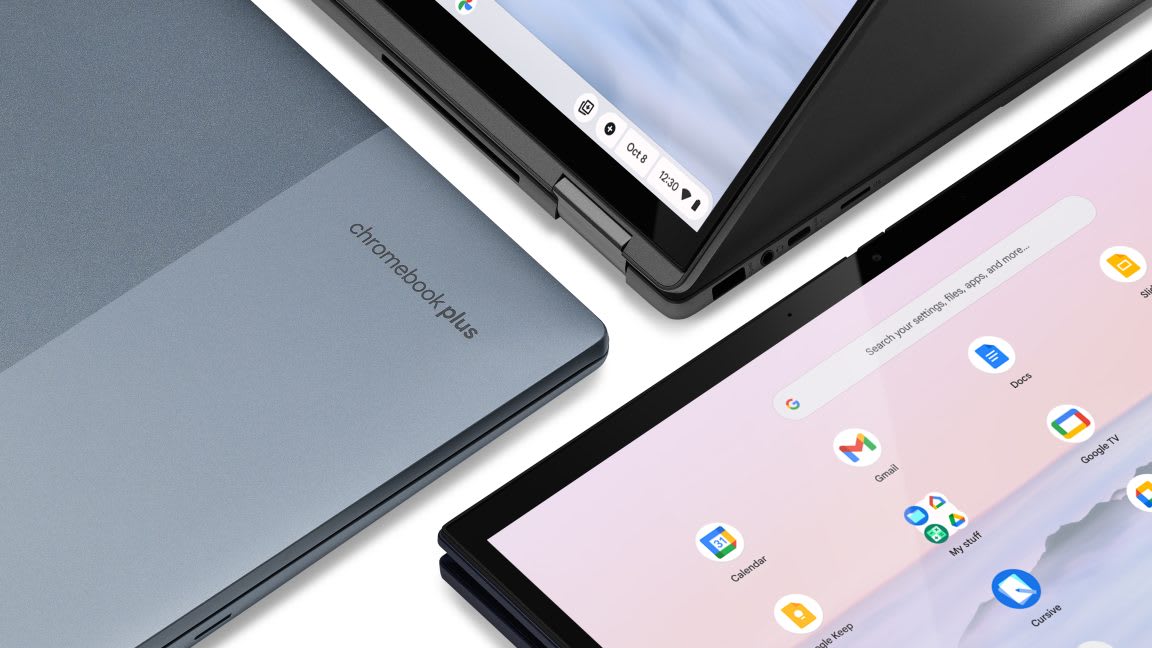
Google has signaled a strategic shift by introducing 'Googlebooks' powered by Android, effectively marking the beginning of the end for ChromeOS. This transition aims to unify the ecosystem under a more capable, AI-integrated platform while phasing out legacy web-first support.
The Sunset of ChromeOS: A Strategic Pivot
Google is orchestrating a significant shift in its computing strategy, moving away from the web-centric ChromeOS toward a more robust, Android-based architecture branded as 'Googlebooks.' This transition, evidenced by new support documentation, suggests that the tech giant is preparing to sunset its long-standing ChromeOS platform by 2034. By consolidating its hardware efforts, Google appears to be prioritizing a unified OS experience that can better compete with established market leaders like Apple’s macOS and Microsoft’s Windows.
The Rise of Googlebooks
The introduction of Googlebooks represents a fundamental change in how Google views the laptop ecosystem. While Chromebooks were designed primarily as thin-client interfaces for the web, Googlebooks are positioned as a full-fledged hardware solution leveraging the Android kernel. By integrating deeper system capabilities and advanced AI features, Google is attempting to shed the 'web-only' limitation that has historically constrained ChromeOS, making its hardware more attractive to power users and enterprise professionals.
Implications for Enterprise and Education
For the massive Enterprise and Education sectors, this transition creates a complex roadmap. Google’s support pages are already guiding these institutional customers on how to navigate the shift. The core challenge lies in migrating users from a web-optimized environment to an Android-based one that supports more intensive local computing tasks. While this change promises better performance and deeper integration, it requires significant planning for IT administrators who have spent over a decade optimizing workflows for the browser-based ChromeOS architecture.
The 10-Year Support Lifecycle
Google has maintained its commitment to long-term hardware viability by guaranteeing 10 years of software support for Googlebooks. However, the documentation highlights a divergence: the latest Chromebook models will not receive this support in the traditional capacity established under the ChromeOS model. This underscores a clear 'end-of-life' trajectory for existing Chromebook hardware, signaling that Google is effectively splitting its support paths to favor the new Android-based infrastructure.
Future Trends and Market Positioning
Looking ahead, this move is a calculated attempt by Google to capture a larger share of the professional computing market. By infusing the new OS with heavy AI capabilities, Google aims to differentiate its laptops from the standard offerings of its competitors. If successful, this strategy could render the limitations of the 'browser-in-a-box' model obsolete, pushing the entire industry toward a more integrated, mobile-first OS that spans across phones, tablets, and laptops seamlessly.
Conclusion
Ultimately, the phasing out of ChromeOS in favor of Googlebooks is a recognition that the future of computing requires more than just a browser. By pivoting to an Android-based foundation, Google is positioning itself to offer a more versatile and competitive product. While the transition will undoubtedly present challenges for current users, the long-term vision suggests a more powerful, AI-driven ecosystem that aligns with the modern demands of global users.