Chinese AI models surge in global popularity — and Washington is worried
Source Entity
US Top News and Analysis
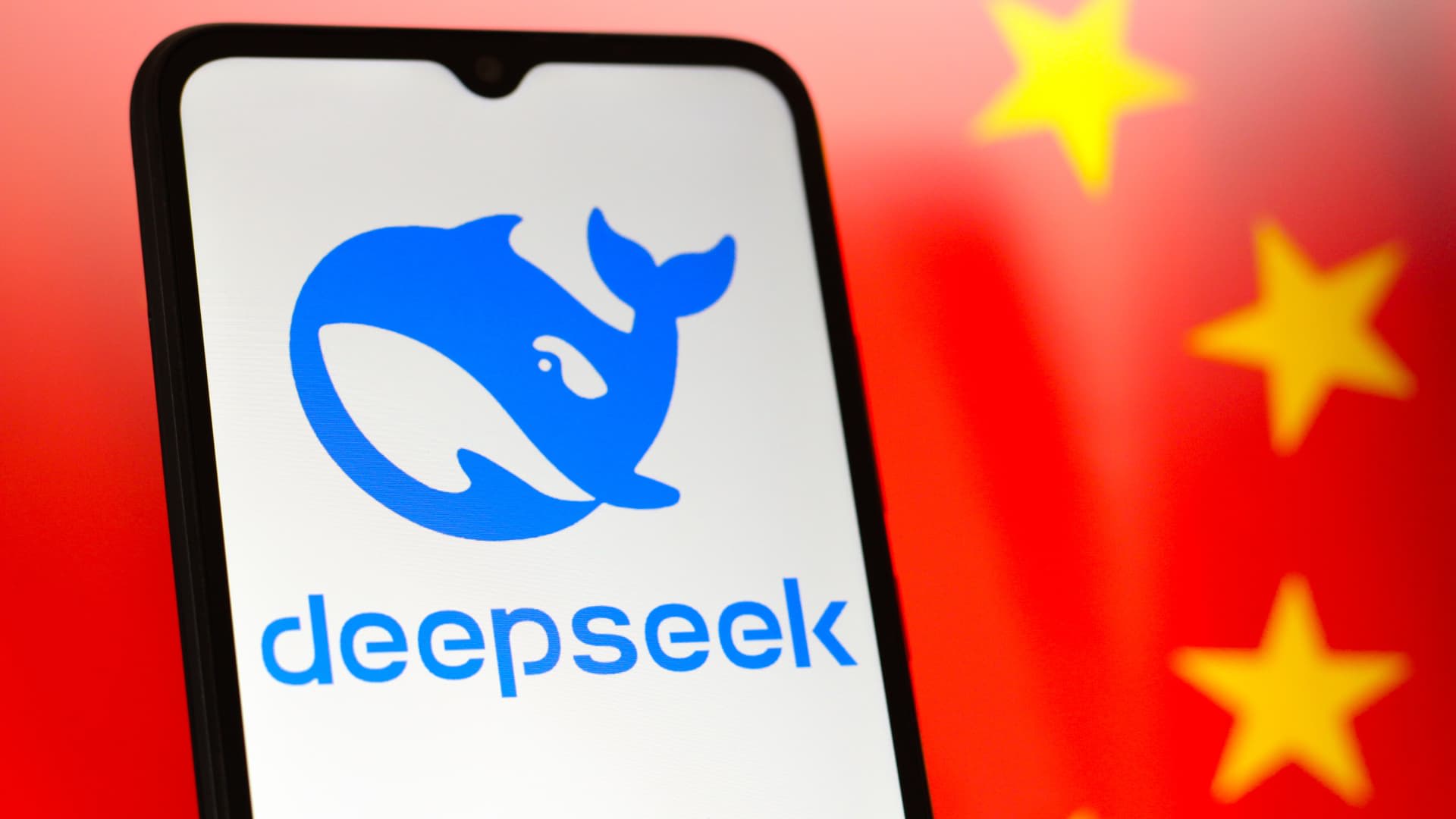
Chinese AI models like DeepSeek and Alibaba have seen a dramatic surge in global corporate adoption throughout 2026. This shift has captured the attention of U.S. leadership, raising significant geopolitical and economic concerns regarding AI dominance.
The Rapid Ascent of Chinese AI on the Global Stage
The landscape of artificial intelligence is undergoing a seismic shift in 2026, as Chinese AI models transition from niche alternatives to dominant forces in the global market. Data from major developer platforms, such as OpenRouter and Vercel, indicates that businesses worldwide are increasingly integrating models from Chinese firms like DeepSeek, Z.ai, and Alibaba. This surge is not merely a trend but a fundamental recalibration of developer preferences, with Chinese models capturing a majority share of tokens on these platforms compared to their relatively minor presence just months prior.
Performance Parity and the Coding Advantage
While U.S.-based models continue to lead in many standard industry benchmarks, the new wave of Chinese AI offerings has demonstrated exceptional performance gains, particularly in specialized technical tasks like computer programming. This localized excellence in coding has incentivized companies to move away from exclusive reliance on Western providers. The ability of these models to deliver high-quality outputs at scale has made them highly competitive, driving the rapid adoption rates observed on platforms like OpenRouter, where usage jumped from roughly 6-13% in February to over 57-67% by mid-September.
Geopolitical Friction at the Highest Level
This technological shift has inevitably spilled over into the highest echelons of international diplomacy. The rise of these AI models was a focal point during the recent high-stakes summit between U.S. President Donald Trump and Chinese President Xi Jinping. For Washington, the widespread adoption of Chinese AI by global enterprises is not merely a business development but a strategic challenge. The U.S. government views this trend through the lens of national security and economic sovereignty, concerned that reliance on Chinese AI infrastructure could grant Beijing unprecedented influence over global software development pipelines.
The Economic Implications of Model Gateways
The role of model gateways like OpenRouter and Vercel cannot be overstated. These platforms serve as the critical infrastructure that allows businesses to seamlessly swap between various AI providers. The fact that these gateways have become hubs for Chinese model deployment suggests that the barrier to entry for international corporations has been lowered significantly. As these platforms aggregate usage data, they provide a clear map of how quickly the market is pivoting toward non-Western AI, forcing global firms to balance the cost-efficiency and technical performance of Chinese models against the geopolitical risks associated with their deployment.
Future Trends and Strategic Outlook
Looking ahead, the tension between the U.S. and China over AI dominance is likely to intensify. The rapid market penetration of models from companies like Alibaba and DeepSeek indicates that current trade policies and export controls may be insufficient to stem the tide of Chinese innovation. As we move further into 2026, the global AI ecosystem will likely face increased scrutiny regarding data privacy, security, and the long-term sustainability of using Chinese-developed models. Whether the U.S. can regain its market share through new policy initiatives or further technological breakthroughs remains the defining question of this AI-driven era.