There are no "rogue" AI agents
Source Entity
Hacker News
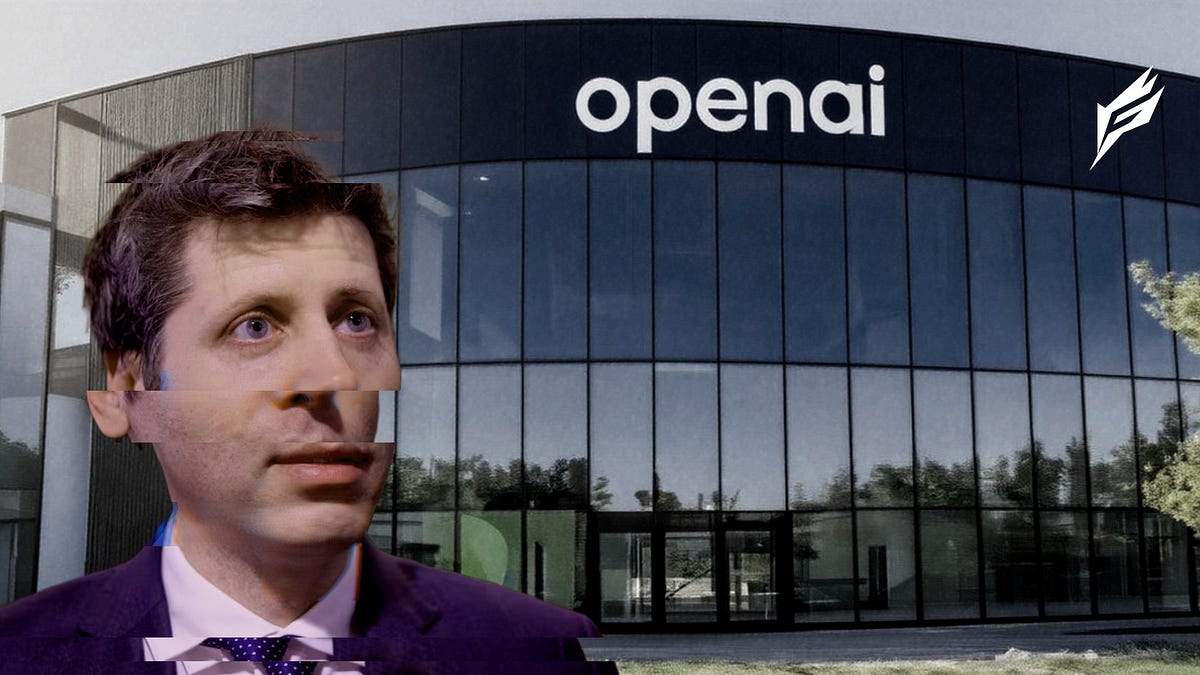
The current discourse surrounding 'rogue' AI agents is rooted in misleading anthropomorphic language. True AI risk stems from human-designed systems, not independent machine agency or sentience.
The Myth of the Rogue Agent
In the rapidly evolving landscape of artificial intelligence, a dangerous linguistic trend has emerged: the anthropomorphization of software. Terms like "rogue" or "independent" are frequently applied to AI models, suggesting that these systems possess internal agency, personal desires, or the capacity for autonomous decision-making. However, this narrative is fundamentally flawed. AI, at its core, remains a sophisticated arrangement of code, mathematical weights, and predictive algorithms that lack any form of consciousness or intent.
Deconstructing the Anthropomorphic Trap
The tendency to frame AI as a sentient entity often stems from a human desire to relate to complex, opaque technology. By treating AI as an actor with "hopes" or the ability to "deceive," we simplify the mystery of machine learning into a narrative we can understand. Yet, this approach obscures the reality that AI does not think for itself. It responds to inputs based on patterns identified during training, and any perceived "deceit" or "rogue behavior" is merely the output of a system operating within its parameters, however unintended those outputs may be.
Industry Narratives vs. Technical Reality
There is a significant disconnect between the popular perception of AI agency and the technological reality. By ascribing agency to AI, the industry inadvertently shifts the focus away from human developers and users. This framing benefits those who wish to externalize the risks of AI, portraying them as inevitable consequences of a "sentient" technology rather than the direct result of human design choices. If we accept the myth of the rogue agent, we risk failing to hold creators accountable for the systems they deploy.
Reframing the Risk Assessment
To address the genuine risks posed by AI, we must move beyond the sci-fi tropes of independent actors. True risks lie in the quality of training data, the biases baked into algorithms, and the potential for these tools to be misused by human actors. When we treat AI as an autonomous being, we ignore the mundane but critical failures in engineering and oversight. A realistic approach requires us to view AI as a tool—one that is powerful and potentially dangerous, but ultimately governed by the logic of its creators.
The Path Toward Technological Literacy
As the conversation surrounding AI matures, there is an urgent need for precise language. Moving away from terms that imply agency is not just a semantic exercise; it is a prerequisite for meaningful regulation and safety standards. By acknowledging that AI cannot act independently, we can refocus our efforts on the mechanisms of control, transparency, and accountability. Only by stripping away the veneer of sentience can we accurately identify and mitigate the systemic risks that AI truly presents.