The Cooling Contradiction
We have been lied to about the air conditioner. For decades, the industry sold the condenser unit as the ultimate shield against the heat, but in reality, it is a thermal parasite. It cools the interior by pumping heat into the street, baking the neighborhood and forcing the neighbor to turn their own unit higher. This cycle is a dead end. The concrete is a battery that never stops charging. When urban centers face the same heat-induced mortality risks seen in Europe—where 50,391 excess deaths were recorded in a single summer (Source: Nature, 2026)—the reliance on energy-hungry cooling units becomes a liability rather than a solution.
Why do we keep building walls that fight nature instead of using nature to build walls? The answer is usually a lack of a clear playbook. Until recently, 'green walls' were seen as expensive ornaments—aesthetic flourishes for luxury hotels. But a structural break is happening. The goal is no longer just to 'reduce harm' or be 'sustainable.' The new target is regenerative design, a method that actively restores the environment while providing utility. This is the logic being applied to the dense urban terrains of Southeast Asia, where the humidity makes traditional cooling a losing battle.
The Regenerative Playbook
The shift became official this month. The American Institute of Architects (AIA) released a definitive guide titled 'Creating a Better World Together: Financing and Building Regenerative Design' (Source: BDC Network, 2026). This isn't just another set of guidelines. It is a manual for moving from 'net-zero' to 'net-positive.' The guide explores the financing and policy tools required to push projects from a mere concept to a completed, breathing structure. It recognizes that the real barrier to living walls isn't the botany—it is the money and the law.
"Regenerative design is the holistic approach to enhancing and restoring buildings, communities, and nature, which integrates buildings within their natural and social environments to actively restore ecosystems, strengthen communities, and create a net-positive environmental impact."— American Institute of Architects (AIA), Regenerative Design Guide
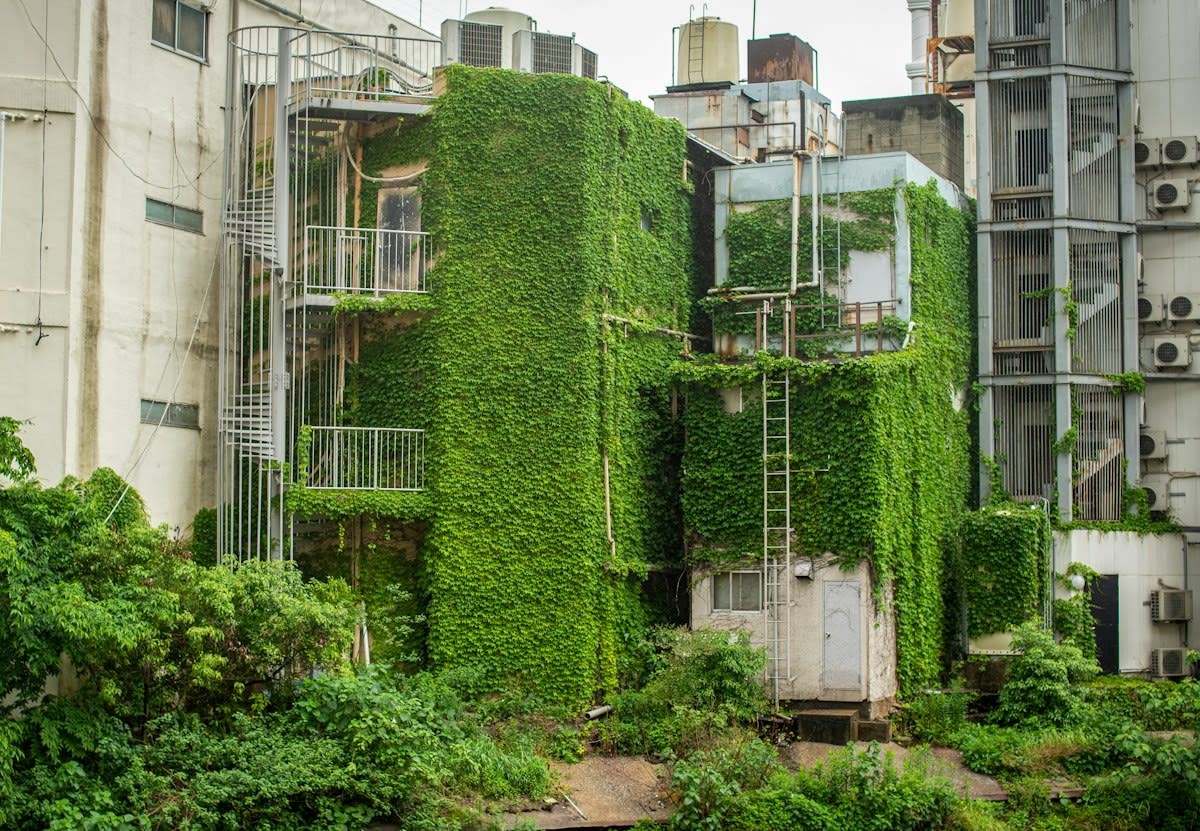
The AIA framework is built on five interconnected pillars. One of the most critical is the 'Spirit of Place,' which dictates that design must emerge from the ecological and cultural context of the site. In a city like Ho Chi Minh or Hanoi, this means moving away from European ivy and toward native, heat-tolerant species that can survive the monsoon-dry cycle. By integrating buildings into their natural environment, architects can create a web of cooling that works across an entire block, rather than cooling a single room in isolation.
- Net-Positive Impact: Moving beyond minimizing damage to actively improving the surrounding air quality.
- Ecological Integration: Using native greenery to create biological corridors in concrete zones.
- Social Strengthening: Using green spaces to foster community interaction and wellness.
- Financing Tools: Shifting the ROI calculation to include ecosystem services and health outcomes.
- Policy Alignment: Creating zoning laws that reward regenerative surfaces over traditional facades.
This approach transforms the wall from a barrier into a filter. A regenerative wall doesn't just block the sun; it breathes. Through evapotranspiration, plants release moisture into the air, naturally lowering the surrounding temperature. This is the 'living air conditioner' effect. It is a biological machine that requires no electricity to run, only water and sunlight.
From Miami's Ziggurat to the East
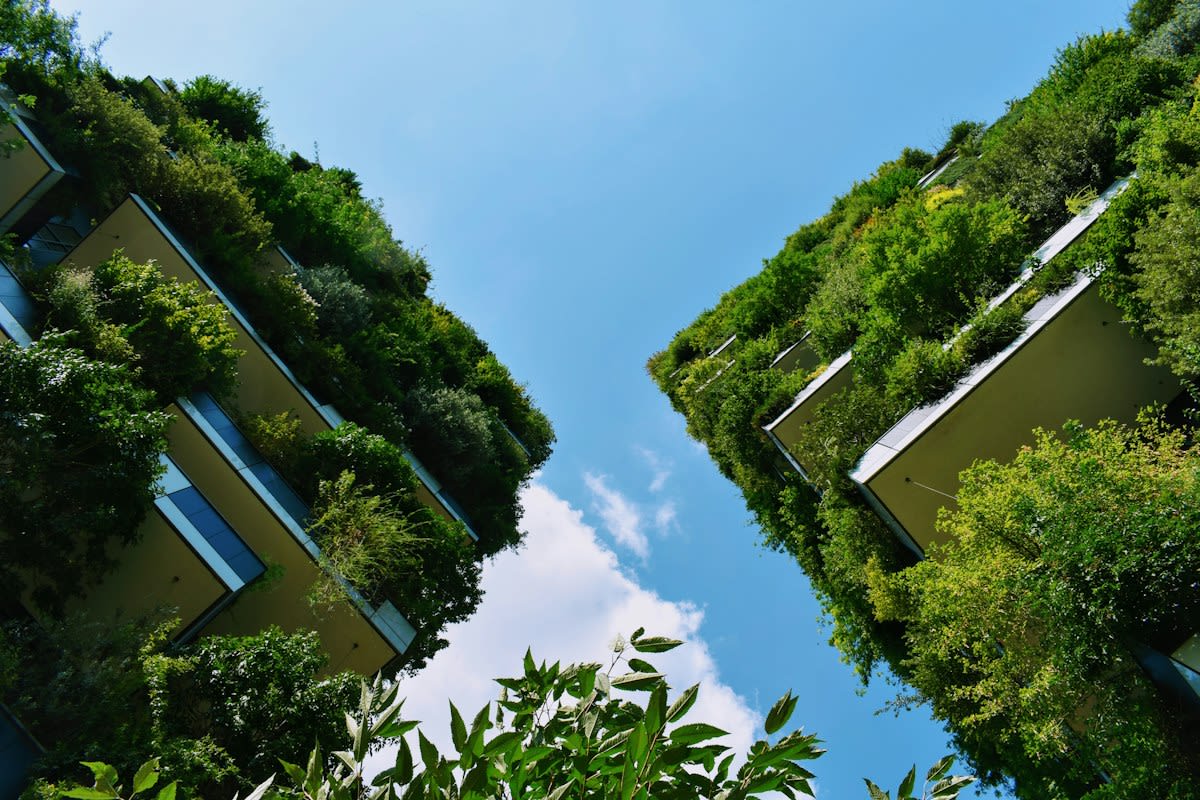
To see this in practice, look at the Ziggurat project in Miami. Designed by Oppenheim Architecture, the development uses stepped, irregular volumes to create generously planted terraces (Source: BDC Network, 2026). It is a masterclass in climate response. Instead of a flat wall that absorbs heat, the building uses deep overhangs and shaded exterior spaces. Plantings emerge from the terraces, walls, and rooflines, allowing the architecture to change with the weather and light. This is the exact logic now being adapted for the narrow 'tube houses' and city walls of Vietnam.
The Ziggurat's use of native greenery and organic materials proves that wellness can be woven into the terrain of a mixed-use development. By breaking the scale of the program into a collection of distinct buildings and outdoor spaces, the design allows for better airflow. In the dense alleys of Vietnamese cities, applying this 'stepped' logic to vertical surfaces can break the heat traps that currently plague the urban core.
But here is the friction that the brochures don't mention. In the real world, the battle is fought between the architect and the accountant. I have seen this play out in a dozen projects: the architect proposes a regenerative facade that lowers the building's temperature by 5 degrees, but the developer sees only the cost of the irrigation system and the risk of root penetration. The internal dispute is always about the 'invisible' costs. Who pays for the maintenance of the living wall in year five? Who owns the 'ecosystem service' of the cooled air that spills over into the public street?
The Delta: Why Now?
Twelve months ago, regenerative design was a niche academic interest. Today, it is a survival strategy. The release of the AIA guide in October 2026 marks a hard turn in the industry. We are seeing a transition from 'green-washing' (adding a few pots to a balcony) to 'regenerative building' (designing the building as a biological organ). The urgency is driven by the data: when two-thirds of urban heat deaths in Europe are attributable to human-induced climate change (Source: Nature, 2026), the cost of inaction far outweighs the cost of a living wall.
| Feature | Traditional Cooling | Regenerative Living Walls |
|---|---|---|
| Energy Use | High (Electricity) | Low (Solar/Water) |
| External Impact | Increases Street Heat | Cools Street Air |
| Environmental Role | Resource Consumer | Ecosystem Restorer |
| Maintenance | Mechanical Repair | Biological Care |
| Primary Goal | Interior Comfort | Net-Positive Impact |
For Vietnamese cities, the opportunity is massive. By using the AIA's financing tools and the Ziggurat's design logic, city walls can be converted into carbon-sequestering, heat-reducing assets. The goal is to create a city that doesn't just survive the heat but uses its own surfaces to fight it. It is a move from defense to offense.
Fact-Check & Accuracy Note
The data regarding heat-related mortality is based on probabilistic climate attribution for European cities in summer 2026. While the specific mortality stats are European, the AIA's regenerative design guide (2026) is intended for global application across varied geographic and cultural contexts, including the six case studies highlighted in their report. There is ongoing professional debate regarding the long-term scalability of irrigation for living walls in hyper-dense urban environments.
Editorial Note
This report prioritizes the 'Regenerative Design' framework over traditional 'Sustainable' frameworks. The distinction is critical: sustainability seeks to maintain a status quo, while regeneration seeks to improve the existing state of the environment.