Chevron and Exxon beat earnings expectations as refining profits soar on high diesel fuel prices
Source Entity
US Top News and Analysis
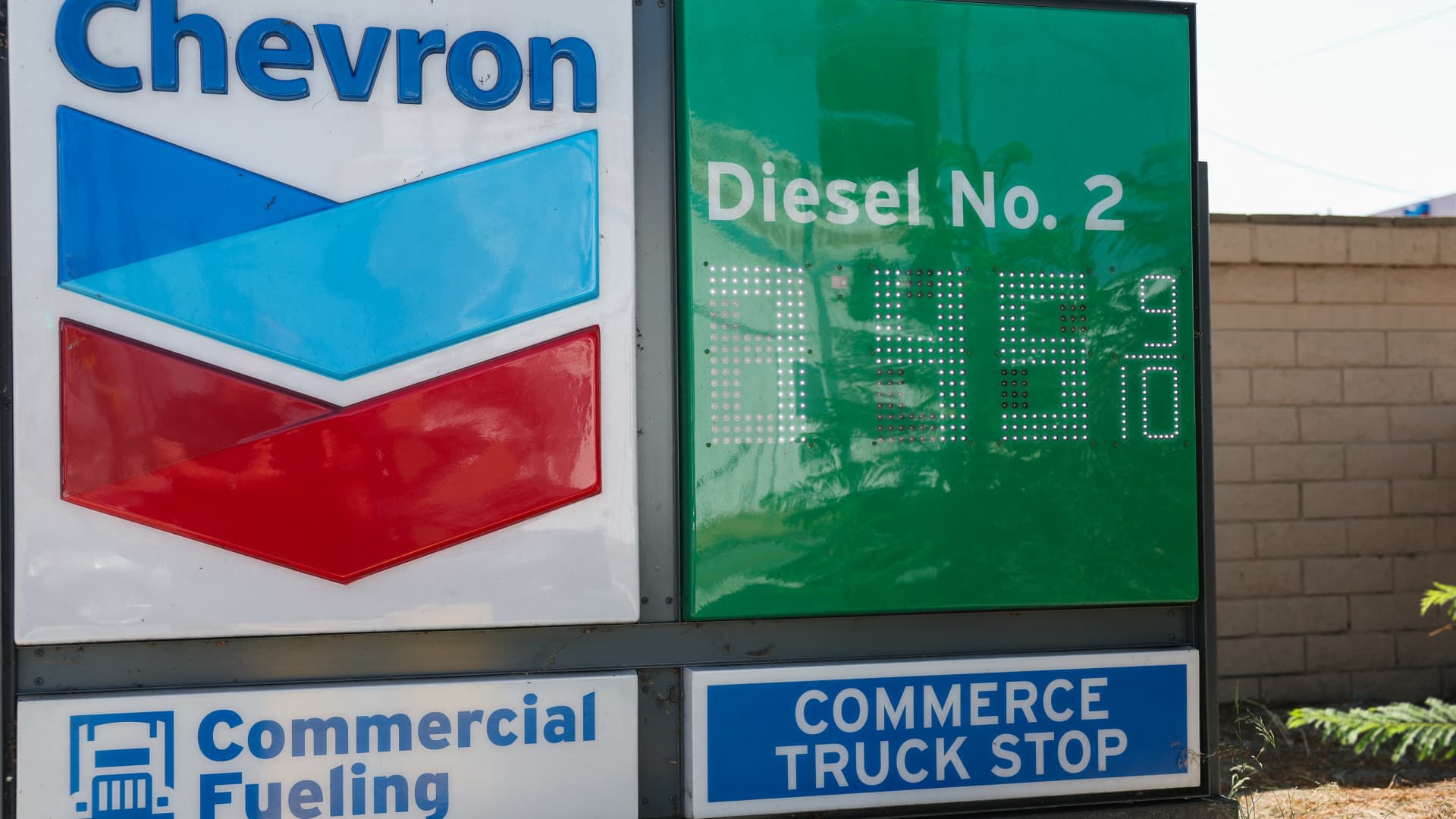
ExxonMobil, Chevron, and BP reported massive third-quarter profit surges driven by record-high refining margins. These gains stem from global supply disruptions following attacks on refineries in Russia and the Middle East.
The Profit Surge: Energy Giants Capitalize on Global Volatility
In a landmark financial performance for the energy sector, major oil companies including Chevron, ExxonMobil, and BP have reported earnings that significantly outpaced Wall Street expectations for the third quarter. These results, characterized by exponential profit growth, underscore the profound impact of geopolitical instability on global commodity markets. As U.S. refineries operate at maximum capacity, these firms have effectively capitalized on a supply-constrained landscape to achieve record-breaking financial results.
Geopolitical Catalysts and Supply Gaps
The fundamental driver behind these earnings is the tightening of global diesel supply, a direct consequence of escalating conflicts. Recent military engagements, specifically the bombing of refineries in Russia and the Middle East by forces from Ukraine and Iran, have severely disrupted regional production capabilities. This destruction has created a vacuum in the global energy supply chain, forcing a market scramble that has sent diesel prices soaring. U.S. refiners, shielded from the direct physical damage of these conflicts, have ramped up domestic production to fill the void, thereby capturing the high price premiums inherent in the current market.
Financial Breakdown: A Triple-Digit Growth Trajectory
The scale of these gains is stark when analyzed against prior-year performance. Chevron reported a nearly 200% surge in net income, reaching $9.9 billion and soundly beating adjusted earnings expectations. Similarly, ExxonMobil saw its profits double, while BP experienced a near-quadrupling of its third-quarter profit to $8.5 billion. These numbers are not merely a reflection of operational efficiency but are indicative of a unique 'margin windfall' provided by the current climate of energy scarcity.
Strategic Shifts and Investor Sentiment
For investors, the narrative is clear: integrated oil giants are currently operating in a period of maximum profitability. ExxonMobil’s recent investor presentations highlighted specific slides illustrating this financial windfall, emphasizing the relationship between high refining margins and overall corporate health. BP’s report further corroborates this trend, noting that their performance was bolstered by robust gas and marketing trading, alongside the significantly higher realized refining margins that have become the hallmark of the current quarter.
Broader Economic Implications and Future Trends
While these results are a boon for shareholders, they highlight the precarious nature of the global energy transition and the vulnerability of current infrastructure. The high cost of diesel—evidenced by prices exceeding $7 a gallon at some retail locations—acts as a significant inflationary pressure on global logistics and transportation. As long as geopolitical tensions in Eastern Europe and the Middle East persist, the volatility in refining margins is likely to remain high. Looking ahead, these companies face the dual challenge of sustaining these high production levels while navigating the political pressure to stabilize fuel prices for the consumer market.
Conclusion
The third-quarter earnings reports from Chevron, ExxonMobil, and BP serve as a definitive case study on how global conflict reshapes corporate balance sheets. By pivoting to meet the global demand caused by the destruction of competing refinery infrastructure, these oil majors have secured immense financial strength. However, this period of prosperity remains inextricably linked to the ongoing volatility of global trade flows, leaving the industry in a state of high-profit, high-risk equilibrium.
Multiple Citing Sources