Kerala State Electricity Board urged to form dedicated team to explore electricity futures market
Source Entity
India Latest News: Top National Headlines Today & Breaking News | The Hindu
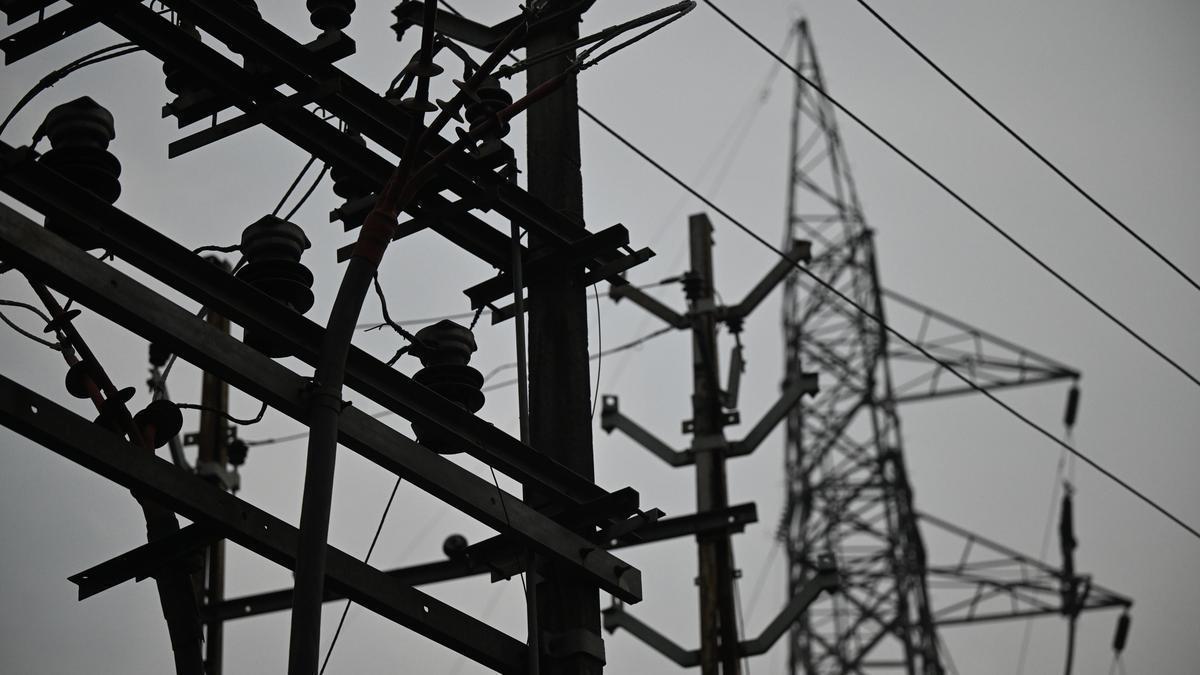
The Kerala State Electricity Regulatory Commission has directed the KSEB to form a specialized team to investigate electricity futures markets. This initiative aims to hedge against price volatility and manage risks associated with short-term power exchanges.
Strategic Shift in Kerala's Power Procurement
The Kerala State Electricity Regulatory Commission (KSERC) has issued a significant directive to the Kerala State Electricity Board (KSEB), mandating the formation of a dedicated team to explore the electricity futures market. This move represents a proactive shift in how the state manages its energy portfolio, moving away from a reactive stance toward short-term power exchange fluctuations. By institutionalizing a focus on futures trading, the KSERC is signaling that the era of relying solely on spot markets for deficit management is becoming increasingly untenable due to global energy market instability.
Mitigating Price Volatility
Electricity markets are inherently susceptible to extreme price spikes caused by supply-chain disruptions, weather patterns, and fuel shortages. The primary goal of this new KSEB team will be to design hedging strategies that protect the state utility from these unpredictable costs. Futures contracts allow utilities to lock in prices for electricity delivery at a future date, effectively providing a buffer against the high-stakes volatility often seen in day-ahead and real-time markets. By securing predictable pricing, the KSEB can better stabilize consumer tariffs and reduce the financial burden on the state.
The Role of Financial Instruments in Energy
Historically, power distribution companies have relied heavily on long-term power purchase agreements (PPAs) and intermittent spot market purchases. However, the integration of financial derivatives—such as futures—into state utility management is a sophisticated evolution. This approach aligns Kerala with broader national efforts to modernize India's power grid management. The transition requires a deep understanding of financial engineering, where the KSEB must balance its physical power requirements with financial instruments that mitigate risk without over-exposing the utility to speculative losses.
Operational and Regulatory Implications
For the KSEB, constituting a specialized team is not merely an administrative task; it involves building internal capacity for complex financial analysis and market monitoring. The regulatory backing from KSERC provides the necessary framework for the utility to engage in these markets with oversight. This oversight is crucial, as the electricity futures market requires rigorous compliance and risk management protocols to ensure that the utility's hedging activities remain conservative and focused on cost stabilization rather than profit-seeking ventures.
Future Trends and Sustainability
As renewable energy penetration increases in Kerala, the demand profile of the grid will become more complex. The ability to hedge power prices through futures will become even more critical as the state integrates more variable energy sources like solar and wind. Future trends suggest that utilities that master the art of market hedging will be significantly more resilient than those that remain exposed to the whims of the spot market. This initiative by the KSERC is a foundational step toward a more financially robust and secure energy future for Kerala, setting a potential benchmark for other state utilities across India.
Verification Required?