
Who told you the cloud was forever? We accepted the digital longevity myth because it felt convenient. It promised a world where data never rotted and access was instantaneous. But the asymmetry is glaring. Digital files rely on a fragile chain of hardware, software updates, and subscription payments. When one link snaps, the memory vanishes. Analog records do not suffer from version obsolescence. They exist as physical objects, tethered to the real world by ink, silver halide, and cellulose.
The Prerequisites of Physical Permanence
Before you attempt to migrate your legacy from a server to a shelf, you must understand the materials. Analog longevity is not a default setting; it is a result of intentional friction. You cannot simply dump papers in a box and expect them to survive a century. You need a specific kit designed to combat the natural decay of organic matter. The goal is to slow the leak of information caused by environmental stressors.
- Acid-free archival folders and boxes to prevent chemical migration
- Climate-controlled storage (stable temperature and low humidity)
- Analog capture tools (film cameras, physical journals) to bypass digital galleries
- Conservation-grade adhesives and supports for fragile manuscripts
- A manual logging system to track physical location without relying on a database
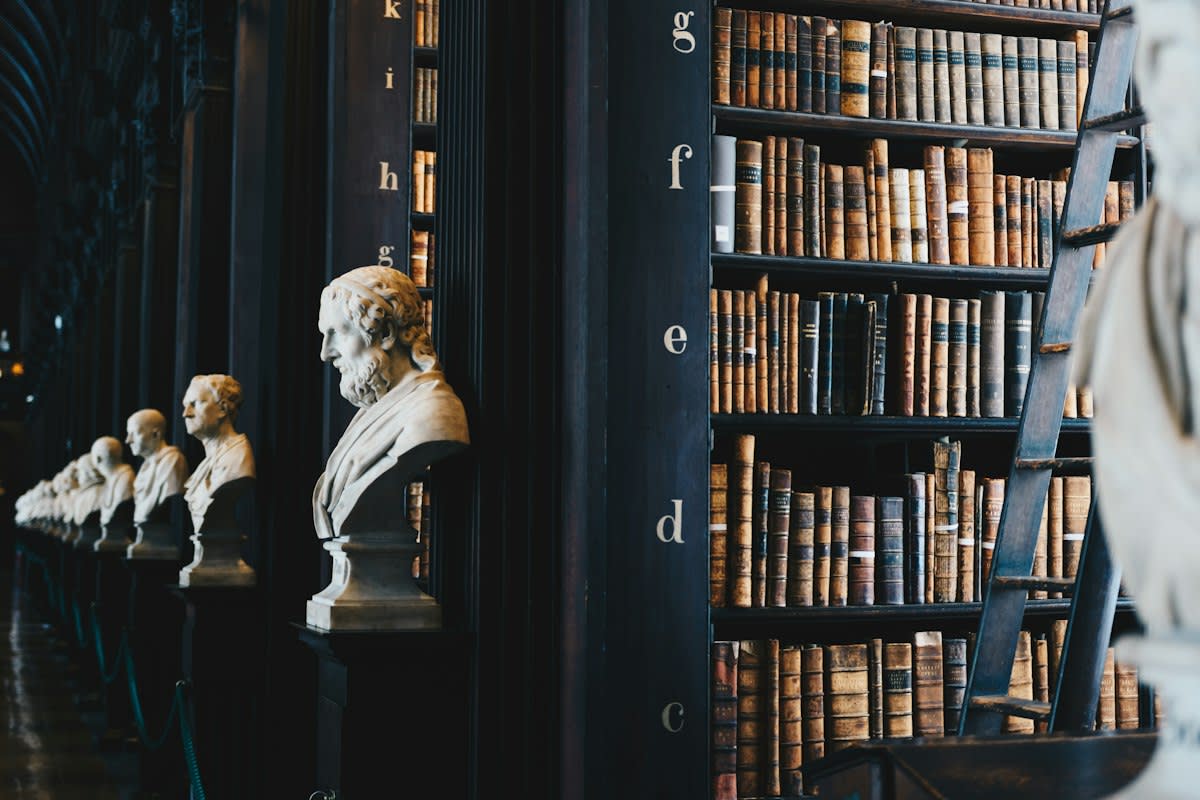
The friction here is real. In the industry, there is a constant collision between those who prioritize access and those who prioritize preservation. Digital advocates argue that a scanned PDF is the ultimate preservation. They are wrong. A scan is a ghost of the original. The original carries the chemical signature of its era. As we see in the archives of UC Irvine, the survival of a document for 400 years isn't an accident of importance, but a victory of maintenance (Source: UC Irvine Libraries, 2026).
"In reality, most rare books endure because of sustained, thoughtful care. Conservation is what allows us to balance two equally important responsibilities: preservation and access."— UC Irvine Libraries, 2026 Annual Report
Step-by-Step: Implementing an Analog Archive
Transitioning to an analog-first mindset requires a hard turn in how you perceive data. You are no longer managing bits; you are managing matter. This shift is gaining traction globally, from institutional libraries in California to individual creators in Southeast Asia. In Malaysia, for instance, there is a growing movement of individuals embracing analog media to create personal archives that feel fundamentally different from the ephemeral act of scrolling through a phone gallery (Source: The Star, 2026).
- Identify High-Value Data: Determine which memories or records are critical. Do not archive everything; the inertia of too much physical matter makes maintenance impossible.
- Select the Medium: Choose materials based on the intended lifespan. For photographs, use film over digital sensors to avoid the risk of file corruption or proprietary format death.
- Establish a Care Cycle: Implement a schedule for physical inspection. Check for signs of acidity, mold, or mechanical failure in the storage containers.
- Create a Tangible Index: Build a physical map of your archive. If the index is digital, you have simply moved the point of failure.
- Audit the Environment: Ensure the storage area is shielded from sunlight and moisture, as materials like leather and paper naturally weaken over time (Source: UC Irvine Libraries, 2026).
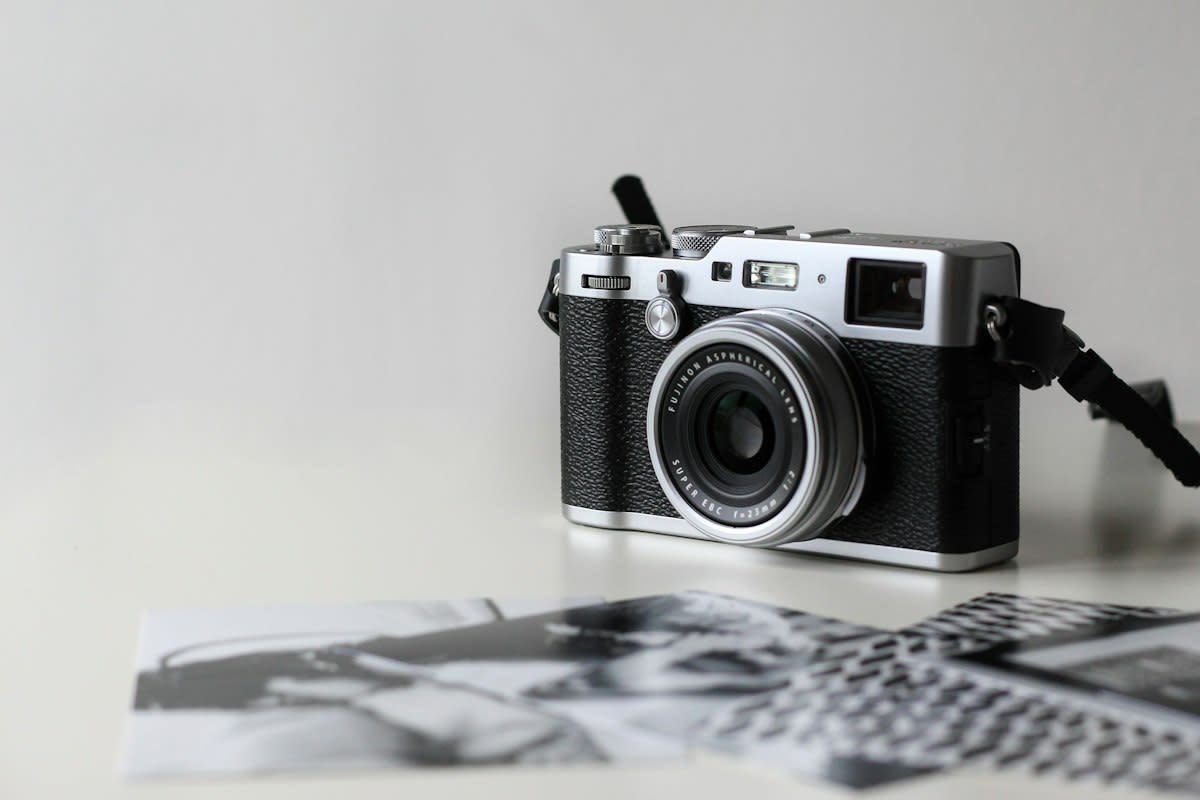
Consider the Malaysian experience. A graduate might take only 15 photos of a ceremony using an analog camera, rather than 500 on a smartphone. This reduction in volume increases the value of each image. It transforms the act of remembering from a mindless scroll into a deliberate revisit. This is the essence of the analog tether: it forces a slower, more conscious interaction with history (Source: The Star, 2026).
The Hardware Layer: Why Analog Chips Still Matter
Even our digital world is tethered to analog foundations. We often forget that AI and high-speed computing rely on analog-to-digital conversion. The market reflects this. Analog Devices recently moved to acquire Alif Semiconductor for $1.35 billion, driven by an AI-fueled demand for chips that can handle the messy, analog reality of the physical world (Source: The Star, 2026). This is a critical realization: the digital is a layer, but the analog is the bedrock.
This investment proves that the industry recognizes a gap. Digital precision is useless if the underlying analog signal is lost or distorted. The $1.35 billion valuation is not just a business move; it is an admission that the bridge between the physical and the virtual is where the real value resides (Source: The Star, 2026).
Practitioner's Insight: The Visibility of Decay
The debate among archivists often centers on 'bit rot' versus 'physical decay.' Bit rot is invisible and absolute; a single flipped bit can render a file unreadable. Physical decay is gradual and visible. You can see a book yellowing. You can smell the leather aging. This visibility allows for intervention. You cannot 'conserve' a corrupted sector on a hard drive with the same tactile precision that a librarian uses to treat a 17th-century manuscript.
Common Pitfalls in Analog Preservation
Many beginners make the mistake of assuming that because something is physical, it is automatically permanent. This is a dangerous assumption. Rare books and manuscripts were often produced without longevity in mind, using adhesives and papers that naturally weaken (Source: UC Irvine Libraries, 2026). If you use cheap, acidic folders for your photos, you are accelerating the very decay you are trying to avoid.
- The 'Set and Forget' Fallacy: Assuming physical records don't need maintenance.
- Material Mismatch: Using non-archival plastics or tapes that leak chemicals into the records.
- Over-Archiving: Attempting to save every scrap of paper, leading to organizational collapse.
- Environmental Neglect: Storing archives in attics or basements where temperature swings cause mechanical failure of the materials.
Fact-Check & Accuracy Note
Verifiable sources for this guide include the 2026 Annual Report from UC Irvine Libraries regarding conservation practices and The Star's 2026 reporting on Malaysian analog trends and Analog Devices' acquisition of Alif Semiconductor. A point of academic debate remains the cost-benefit ratio of physical conservation versus redundant digital mirroring; however, the physical evidence of 400-year-old books provides a longitudinal data point that digital formats cannot yet match.