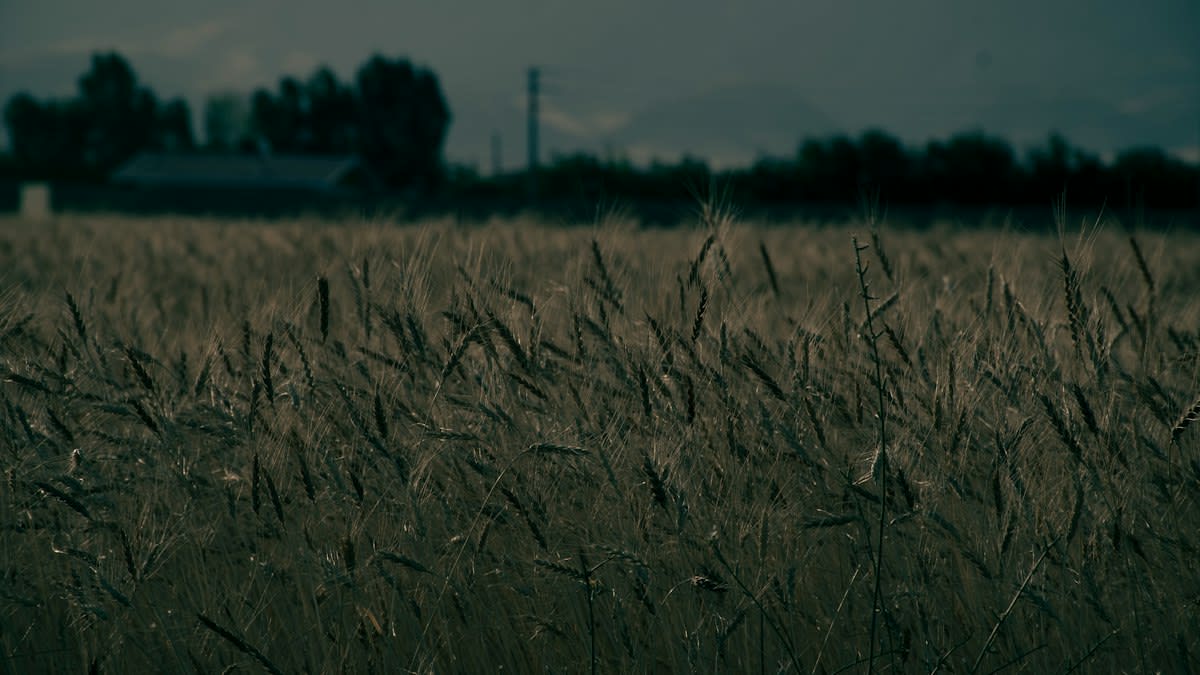
We have been told that agricultural efficiency is a linear climb toward perfection. The logic is simple: standardize the seed, optimize the input, and maximize the yield. But this efficiency is a lie. It is a fragile veneer. Look at 19th-century Ireland. Farmers didn't plant seeds; they propagated the Lumper potato via vegetative eye cuttings (Source: HudsonAlpha Institute for Biotechnology, 2026). Every single plant was a genetically identical clone of its neighbor. When a pathogen arrived, it didn't find a population to fight; it found a welcoming mat. The resulting collapse wasn't a failure of farming, but a mechanical failure of genetic diversity.
The Monoculture Bottleneck
Modern industrial farming has repeated the Lumper mistake on a global scale. By prioritizing operational efficiency, we have created a genetic bottleneck that leaves our food supply vulnerable to a single environmental override. The friction is now becoming apparent. As climate patterns shift, the 'optimized' crops of the last fifty years are hitting a wall. They lack the inherent tools to handle extreme stress because those tools were bred out in the name of uniformity. The solution is not more chemicals, but a return to the biological archives stored in ancestral relatives.
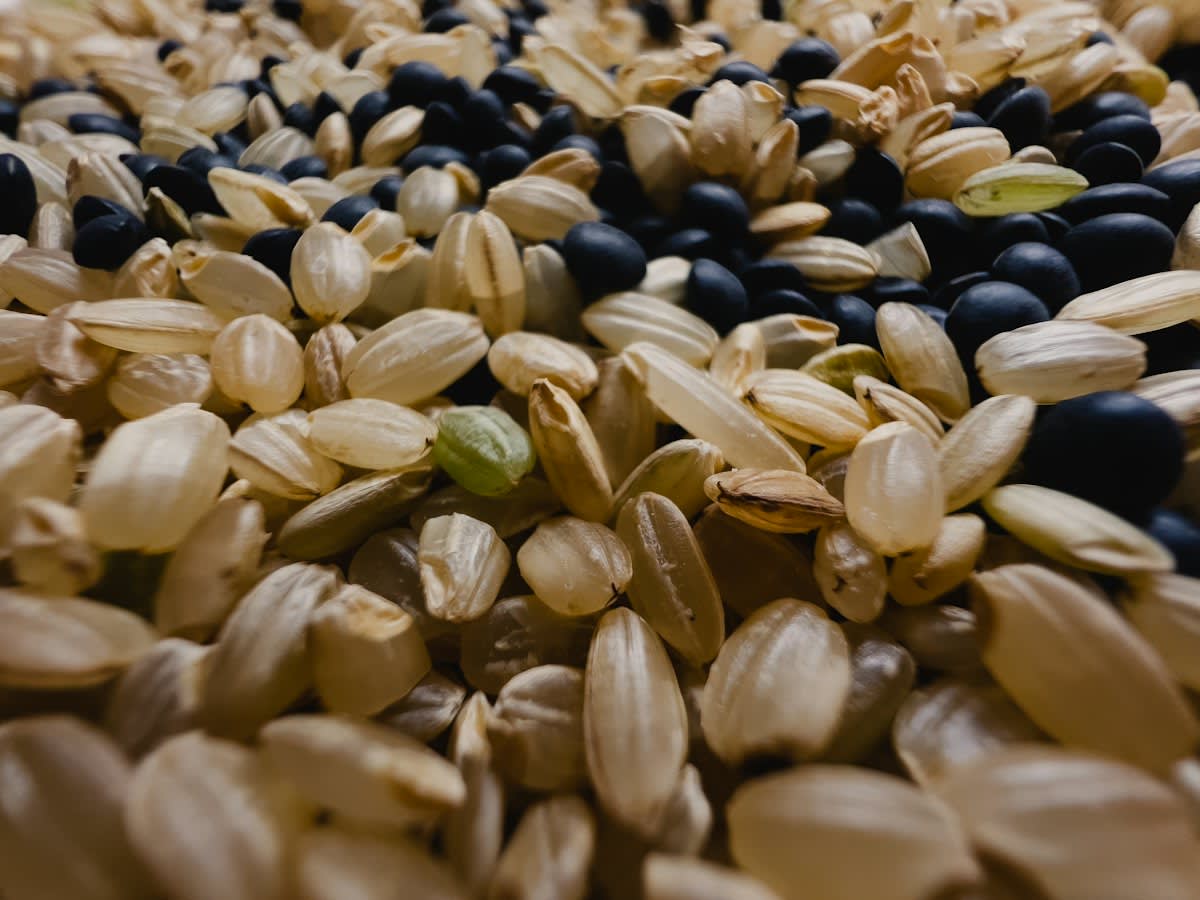
Current efforts are shifting toward 'reclaiming' this diversity. At the HudsonAlpha Institute for Biotechnology, the focus has moved to sequencing and mapping the complex genomes of staple crops and their wild ancestors. Researchers are specifically targeting sorghum, peanuts, and common beans (Source: HudsonAlpha Institute for Biotechnology, 2026). The goal is to uncover the precise genetic mechanisms that protect these ancient varieties from insect pests, emerging pathogens, and environmental stress. This is not about returning to the Stone Age; it is about using 21st-century genomic tools to unlock ancient survival strategies.
"By sequencing and mapping complex plant genomes... researchers are uncovering the precise genetic mechanisms that protect plants against environmental stress, insect pests, and emerging pathogens."— Sarah Sharman, Author at HudsonAlpha Institute for Biotechnology
Terrain and Genetic Memory
Why does this diversity exist in the first place? It is a product of the terrain. Recent data suggests that genetic diversity is not random; it is decoupled from simple landscape connectivity and instead driven by species-specific environmental pressures. In studies of floodplain meadows, researchers found that topographic slope (p = 0.049) and the mean monthly precipitation of the warmest quarter are critical drivers of population differentiation (Source: BioRxiv, 2026). This means the 'memory' of how to survive a drought or a flood is literally written into the DNA of plants that evolved on specific slopes and in specific rainfall zones.
Take the case of tall fescue (Schedonorus arundinaceus) and world caraway (Trocdaris verticillatum). These species show significant associations with genetic dissimilarity based on the nutrient levels of the meadows they inhabit (Source: BioRxiv, 2026). When we replace these varied populations with a single commercial seed, we erase that localized intelligence. We trade the ability to survive a specific topographic challenge for a temporary boost in yield.
| Feature | Modern Monoculture | Ancestral Diversity |
|---|---|---|
| Genetic Profile | Clonal/Uniform | Heterogeneous/Diverse |
| Stress Response | Chemical Dependent | Inherent Genetic Mechanism |
| Environmental Fit | Generalist (Fragile) | Specialist (Robust) |
| Risk Profile | High (Single Point of Failure) | Low (Distributed Risk) |
This realization is triggering a hard turn in how we view traditional farming. It is no longer seen as an antiquated hobby, but as a critical infrastructure for genetic preservation.
Implementation: The Ladakh Model
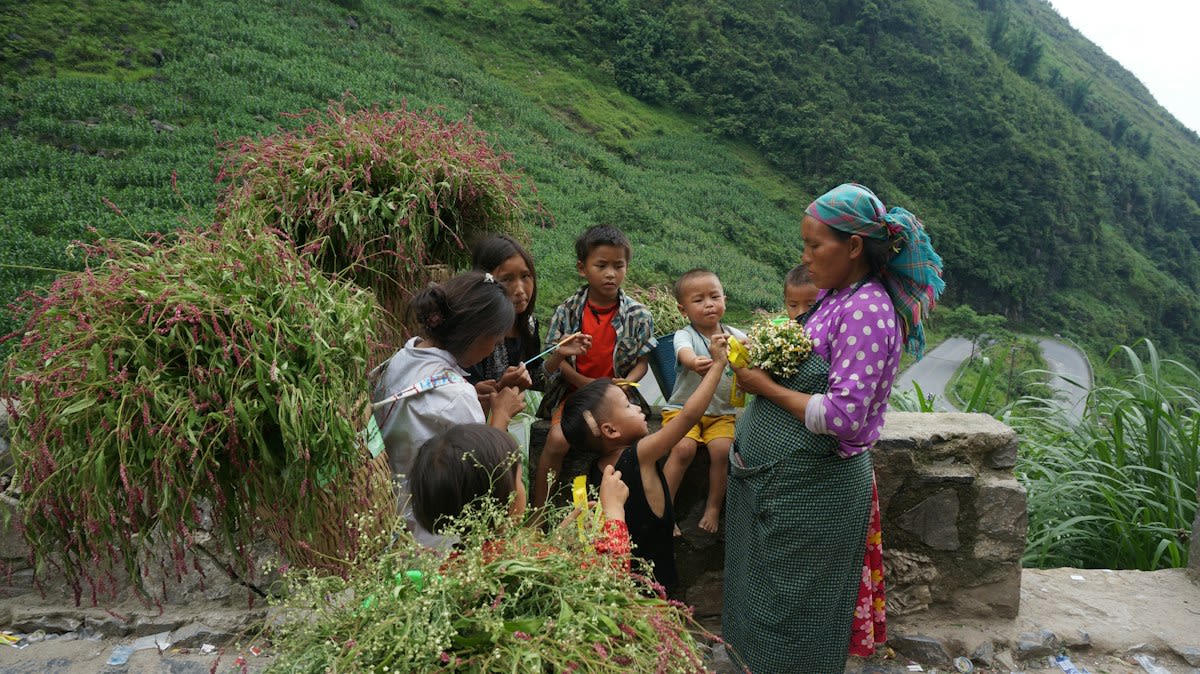
The shift is already manifesting in high-altitude regions where the margin for error is razor-thin. In Ladakh, India, a comprehensive roadmap is currently underway to drive local prosperity through a return to traditional farming practices. The push is aggressive: the region is targeting 100 per cent organic farming by replacing chemical inputs with local manure (Source: Big News Network, 2026). This is not just an ideological choice; it is a survival strategy for a region with extreme climatic volatility.
- Establishment of approximately 11,000 greenhouses to protect traditional crops (Source: Big News Network, 2026).
- Creation of over 150 ponds and additional rock-check dams to ensure water security (Source: Big News Network, 2026).
- Restoration of degraded land using traditional organic methods to rebuild soil health.
By integrating these traditional practices with modern infrastructure, Ladakh is effectively creating a living laboratory for ancestral grain resilience. The focus on water security and organic inputs allows the genetic traits of local crops to express themselves without the interference of synthetic fertilizers, which often mask the weaknesses of non-native seeds.
However, the transition is not seamless. There is an invisible friction that only those in the field experience. In the labs, sequencing a wild relative of a bean is a triumph of data. But in the field, the 'ancestral' version of that bean might produce 40% less yield per acre than the commercial variety. This is the central dispute among practitioners: how do we integrate the survival traits of ancestral grains without crashing the caloric output required to feed a growing population? The bridge between a genomic map and a viable harvest is where most projects fail.
This is where the overlap of biotechnology and traditional ecology becomes vital. The goal is not to replace modern crops entirely, but to use ancestral grains as a genetic library. We can identify the specific gene for drought tolerance in a wild sorghum variety and use precision breeding to insert it into a high-yield variety. This overrides the fragility of the clone without sacrificing the volume of the harvest.
Fact-Check & Accuracy Note
The research cited here relies on genomic mapping data from the HudsonAlpha Institute (2026), agricultural policy reports from the Union Territory of Ladakh (2026), and ecological studies on plant genetic diversity published via BioRxiv (2026). A key point of ongoing academic debate is the extent to which 'wild' traits can be successfully integrated into commercial cultivars without triggering unforeseen negative pleiotropic effects (where one gene affects multiple traits).
Ultimately, ancestral grains are more than just food; they are biological time capsules. They contain the record of every drought, every pestilence, and every climate shift their ancestors survived. In an era of unpredictable environmental volatility, ignoring this archive is a gamble we can no longer afford to take. The edge of food security no longer lies in the creation of a new chemical, but in the rediscovery of an old seed.