The secret behind galouti kebabs’ melt-in-the-mouth texture
Source Entity
The Indian Express
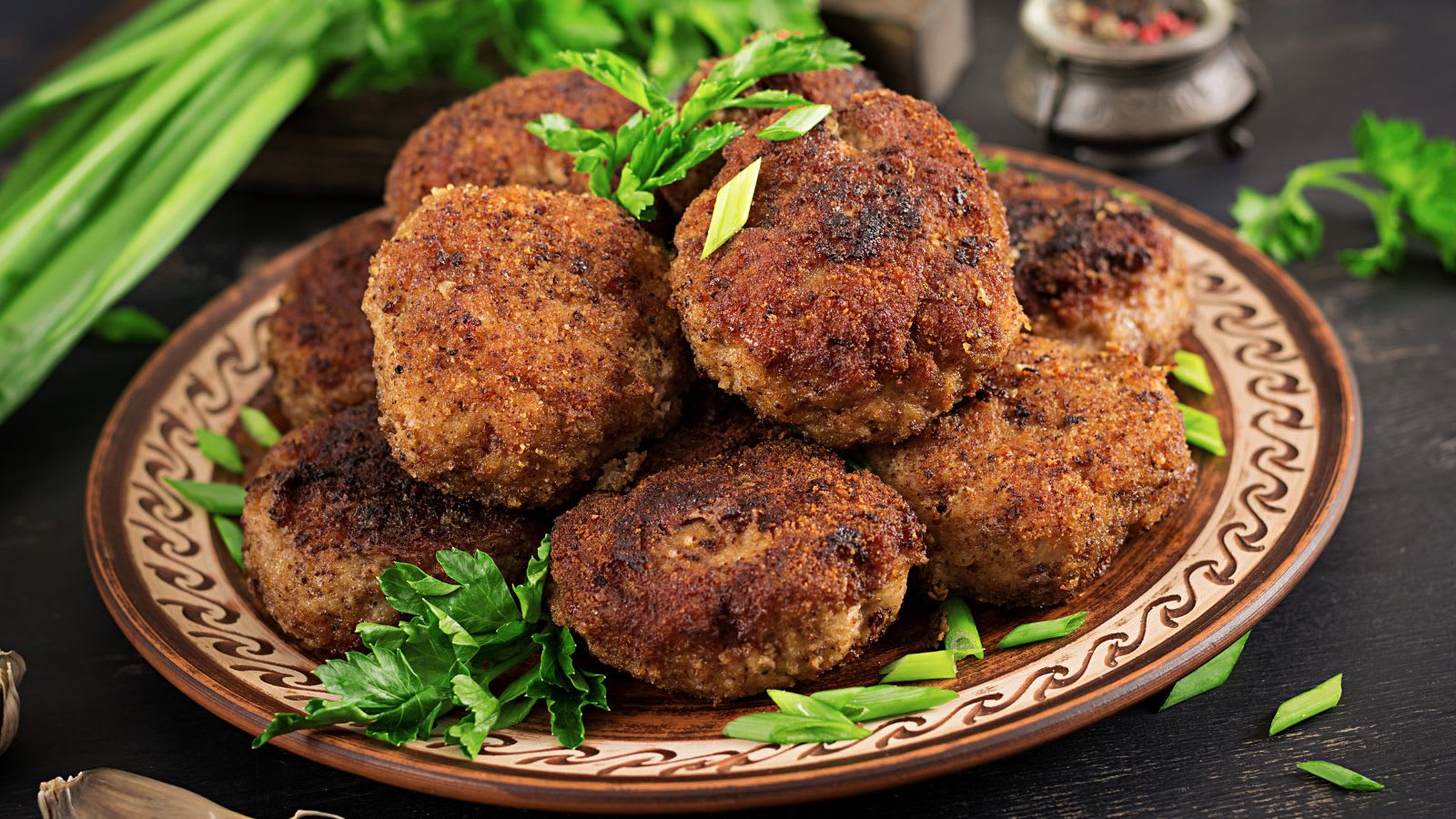
The iconic galouti kebab, originating from the royal kitchens of Awadh, is renowned for its signature melt-in-the-mouth texture. Achieving this delicate consistency requires specialized culinary techniques involving finely processed meat and precise preparation methods.
The Culinary Artistry of the Galouti Kebab
The galouti kebab stands as a pinnacle of Awadhi cuisine, a testament to the sophisticated culinary heritage of the royal kitchens of Lucknow. Renowned for its ethereal, melt-in-the-mouth texture, this dish is more than just food; it is a cultural artifact that reflects the opulence and refinement of historical Indian gastronomy. The term 'galouti' itself literally translates to 'soft' or 'meltable,' setting an expectation of a sensory experience that defines the dish.
The Science of Texture
At the core of the galouti kebab's appeal is its unique consistency. Unlike traditional kebabs that rely on fibrous, chunky cuts of meat, the galouti requires the protein—typically mutton or lamb—to be worked into a fine, paste-like consistency. This mechanical breakdown of muscle fibers is the fundamental secret behind its ability to dissolve upon contact with the palate. By transforming the meat into a smooth emulsion, chefs ensure that the finished product lacks the 'chew' associated with standard grilled meats, prioritizing a luxurious, buttery mouthfeel instead.
Craft and Patience
Achieving the perfect texture is a labor-intensive process that demands both patience and technical expertise. The preparation involves meticulous grinding and marination, where the meat is often combined with a complex blend of spices and tenderizing agents. This careful balance ensures that the kebab remains cohesive enough to handle while retaining the softness that defines the delicacy. The transition from raw ingredients to a refined, smoky, and tender kebab highlights the dedication required in classical culinary arts.
Cultural Significance
Historically, the galouti kebab represents the intersection of royal indulgence and culinary innovation. Often served alongside breads like roti or paratha, it is a staple of the Awadhi dining experience. The emphasis on the 'smoky flavor' further distinguishes the dish, suggesting a precise control over heat and aromatics that has been passed down through generations of chefs. This commitment to traditional techniques ensures that the kebab remains an iconic dish in modern Indian cuisine.
Future Trends in Traditional Cuisine
As culinary arts continue to evolve, the appreciation for heritage dishes like the galouti kebab remains steadfast. While modern kitchen technology may offer faster methods of processing, the soul of the dish resides in the manual craft described by experts. Moving forward, the preservation of such recipes hinges on the continued documentation of these techniques, ensuring that the legacy of the royal kitchens continues to influence contemporary food culture and global appreciation for Awadhi delicacies.