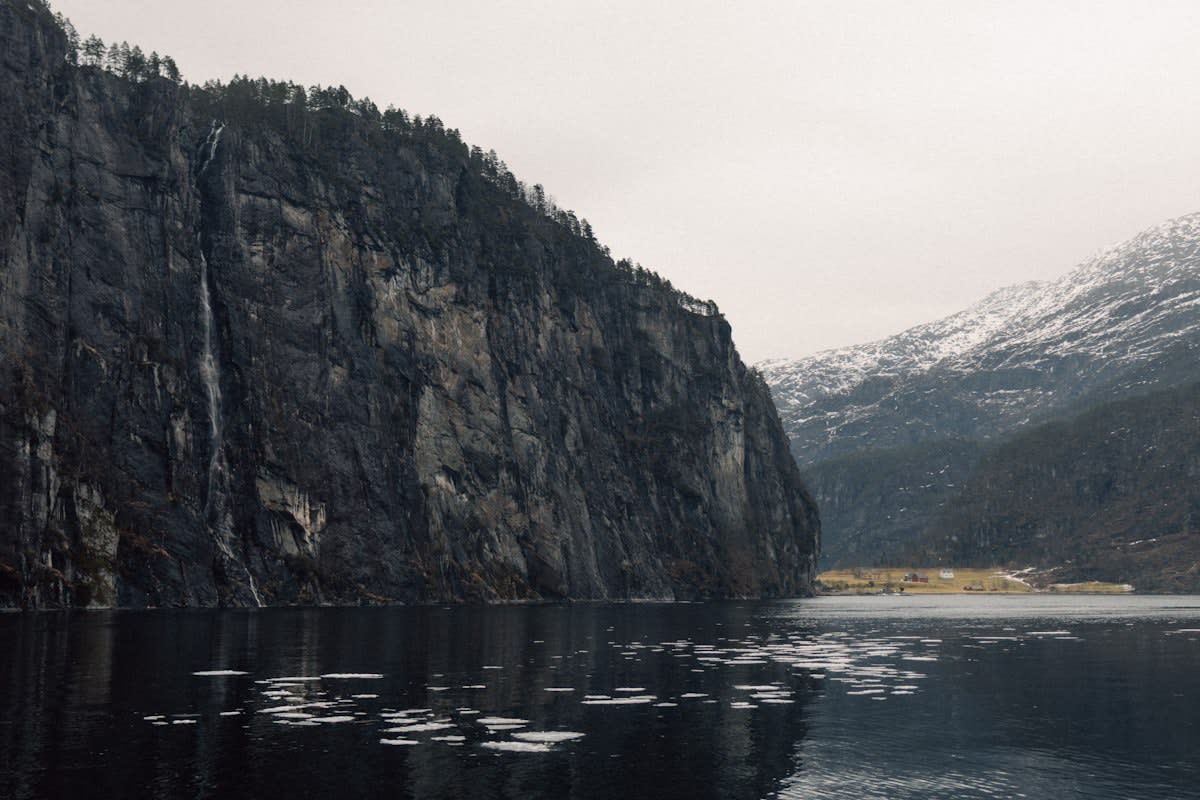
For the vast majority of human history, silence was not a product to be purchased; it was the atmospheric default. A pre-industrial farmer in the Loire Valley or a shepherd in the Andean highlands lived within a sonic landscape defined by biological rhythms and weather patterns. Noise was an event—a thunderclap, a shouting neighbor, the clang of a blacksmith's hammer. Today, that reality has flipped. We now exist in a state of permanent acoustic saturation, where the absence of noise is no longer a natural occurrence but a carefully engineered architectural feat. Why has the basic state of human existence become the ultimate status symbol of the twenty-first century?
This shift isn't merely about noise pollution. It is a systemic reconfiguration of how we perceive space and power. In the industrial era, noise was the sound of progress, the heartbeat of the factory, and the roar of the city. To be surrounded by noise was to be at the center of economic vitality. Now, the trajectory has reversed. The modern power move is not to be seen at the center of the noise, but to possess the means to escape it. Silence has become a gated community for the mind.
The Economics of Acoustic Absence
When we look at the current real estate market in hyper-dense hubs like Singapore, London, or New York, the premium is no longer just on square footage or view. It is on acoustic isolation. The ability to achieve a decibel level below 30 dB in a city center requires an immense investment in specialized materials—mass-loaded vinyl, decoupled wall framing, and triple-glazed vacuum windows. According to the Global Wellness Institute (2023), the wellness real estate market is growing at an annual rate of 21%, with a significant portion of this growth driven by 'sensory sanctuary' designs. Quiet is no longer a byproduct of location; it is a feature that is priced into the per-square-foot cost.
| Metric | Pre-Industrial Baseline | Industrial Era Peak | Modern Luxury Standard |
|---|---|---|---|
| Primary Soundscape | Biological/Environmental | Mechanical/Urban | Curated/Engineered |
| Accessibility of Silence | Universal/Default | Rural/Marginalized | Exclusive/Premium |
| Value Driver | Survival/Nature | Productivity/Output | Mental Health/Cognition |
| Cost of Quiet | Zero | Low (Geographic move) | High (Architectural tech) |
Is this simply a trend in interior design? Hardly. This is a response to a biological crisis. The World Health Organization (2018) has identified environmental noise as the second largest environmental cause of health problems, trailing only air pollution. When the environment becomes toxic, the antidote becomes a luxury. We are seeing the emergence of 'acoustic gentrification,' where the quietest pockets of a city are systematically acquired by the highest bidders, pushing the noise-burdened population further into the sonic fray.
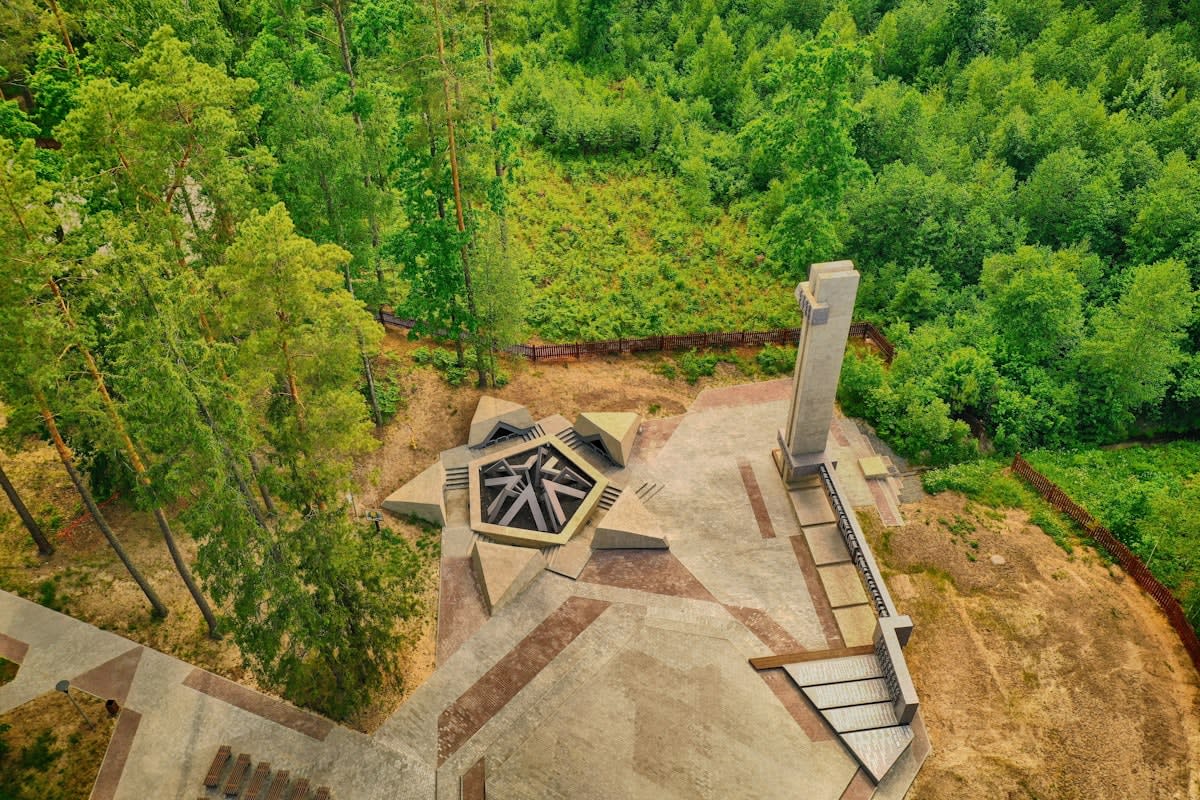
From a practitioner's perspective, this creates a fascinating friction in the design studio. For years, the 'open concept' was the gold standard—glass walls, soaring ceilings, and flowing spaces. But open concepts are acoustic nightmares. Now, we see a fierce internal debate among architects: do we build 'dead' spaces (anechoic environments that feel unnatural) or 'living' silence (spaces that filter noise while retaining organic warmth)? The real challenge isn't blocking sound; it's managing the psychology of silence. Too much silence can actually trigger anxiety in a population conditioned for constant stimulation.
"The goal of modern acoustic architecture is no longer the elimination of sound, but the curation of an intentional sonic environment. We are moving from soundproofing to sound-scaping."— Dr. Arline the Sound Ecologist, Institute of Acoustic Research
This curation manifests differently across the globe. In Japan, the concept of Ma—the pure space or gap between things—is being integrated into urban luxury dwellings to create 'pockets of nothingness.' In Scandinavia, the focus is on the absorption of sound through natural materials like wool and reclaimed wood, creating a soft silence that feels protective rather than isolating. These aren't just aesthetic choices; they are strategic defenses against the cognitive load of the digital age.
The Power Dynamics of Disconnection
We must ask: who has the right to be silent? In the pre-industrial world, the peasant had solitude by necessity. In the early industrial world, the factory worker was denied it by force. In the modern era, the corporate employee is denied it by the 'always-on' culture of Slack and Zoom. Consequently, the ability to be unreachable—and unheard—has become the ultimate marker of seniority. The CEO doesn't just have a bigger office; they have a thicker door. The luxury is not the room itself, but the boundary it creates between the individual and the noise of the collective.
This is why we see the rise of 'dark sky preserves' and 'silent retreats' in remote regions of Chile or the Swiss Alps. These locations aren't just selling scenery; they are selling the removal of the invisible infrastructure of modern life. When a resort charges thousands of dollars for a 'digital detox,' they are essentially charging a premium for the restoration of a pre-industrial baseline. It is a strange irony of the modern economy: we are paying a fortune to return to a state that was once free.
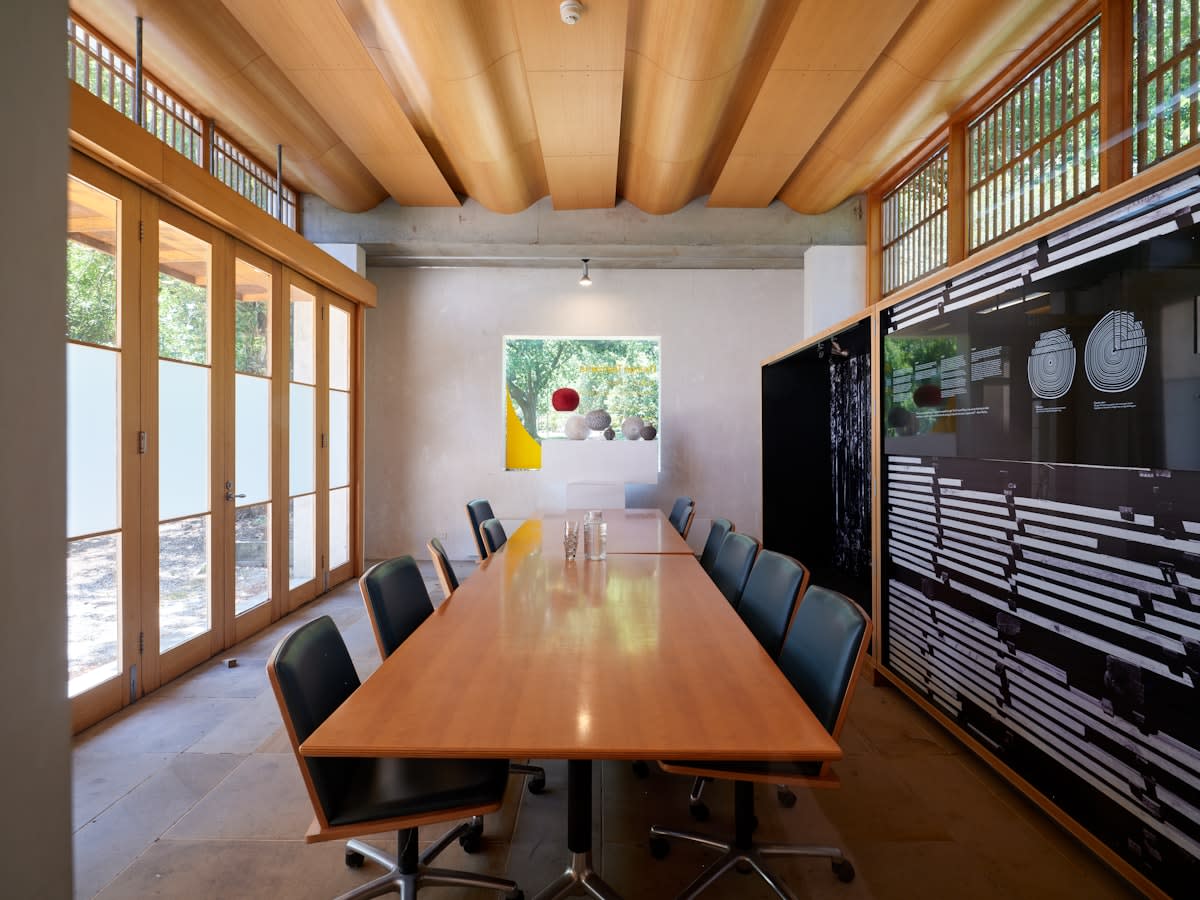
Looking forward, the systemic shift will likely move toward 'cognitive resilience.' As AI and automation accelerate the pace of information delivery, the demand for silence will grow exponentially. We will stop viewing silence as a void and start viewing it as a nutrient. The architecture of the future will not be defined by what it adds—more smart home features, more connectivity, more integration—but by what it successfully excludes. The most valuable rooms in the house will be those where nothing happens, nothing pings, and nothing speaks.
Ultimately, the pursuit of pre-industrial solitude is a pursuit of autonomy. In a world where our attention is the primary currency being traded by global platforms, the ability to reclaim your own silence is an act of rebellion. Whether achieved through a million-dollar architectural project or a disciplined ritual of disconnection, the goal remains the same: to find a space where the self is not being interrupted by the world.
Fact-Check & Accuracy Note
Key claims regarding the health impacts of noise are sourced from the World Health Organization's 2018 Environmental Noise Guidelines. Market growth data for wellness real estate is attributed to the Global Wellness Institute (2023). The conceptual application of 'Ma' and Scandinavian design principles are based on established architectural theory. Note that the 'acoustic gentrification' mentioned is an ongoing sociological debate and not a quantified metric in current literature.
Editorial Note
This analysis adopts a Strategic Analyst perspective, focusing on the systemic shift of silence from a common good to a luxury asset. It avoids a crisis-driven narrative to instead highlight the opportunity for architectural and psychological adaptation.