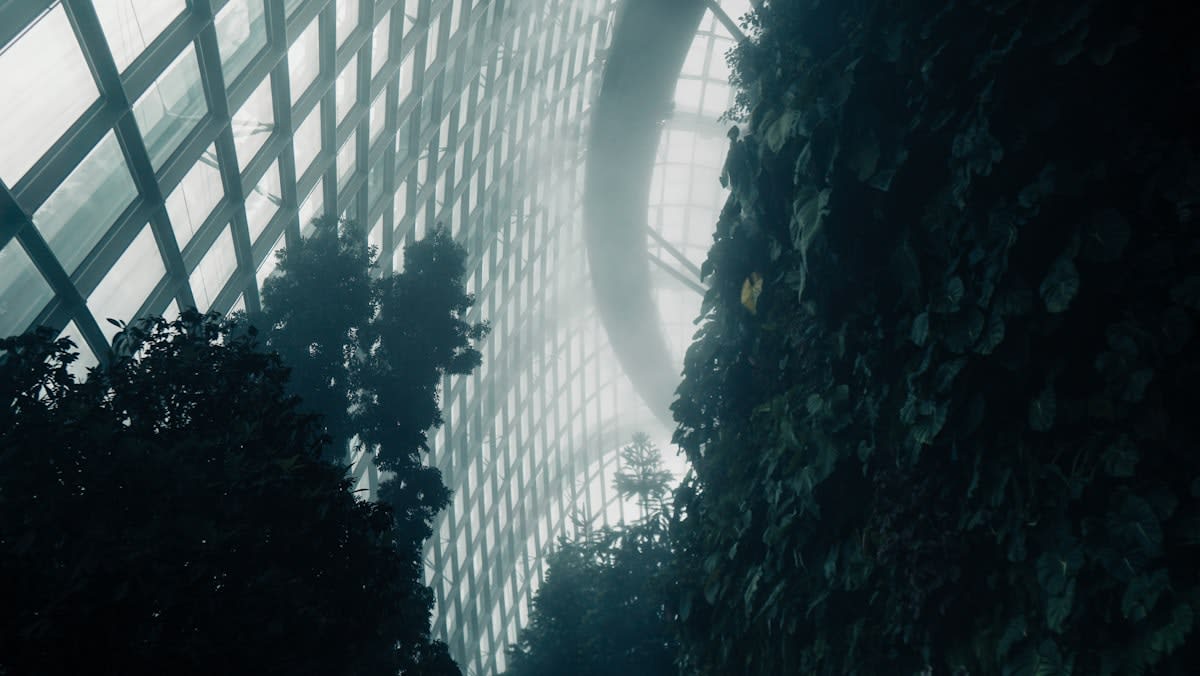
The Industrial Roar as a Design Choice
For over a century, the global city has been designed as a machine for throughput. From the grid systems of New York to the sprawling transit hubs of Tokyo, the prevailing philosophy was one of additive density. We equated noise with vitality and congestion with economic health. If a street was loud, it was alive; if it was silent, it was dying. This wasn't an accident, but a deliberate byproduct of the Industrial Revolution's obsession with the friction of movement. The city became a symphony of sirens, engines, and shouting, which we collectively accepted as the price of admission for modern civilization.
But what happens when the cost of that admission becomes a cognitive tax? The sheer volume of urban stimuli has shifted from a sign of prosperity to a driver of systemic exhaustion. We are now seeing a reversal of the 20th-century mandate. The most forward-thinking urban strategists are no longer asking how to move more people through a space, but how to protect the mental bandwidth of the people already there. This is the birth of Cognitive Urbanism, a shift that treats silence as a structural requirement rather than a luxury amenity. It is a move from the architecture of the machine to the architecture of the mind.
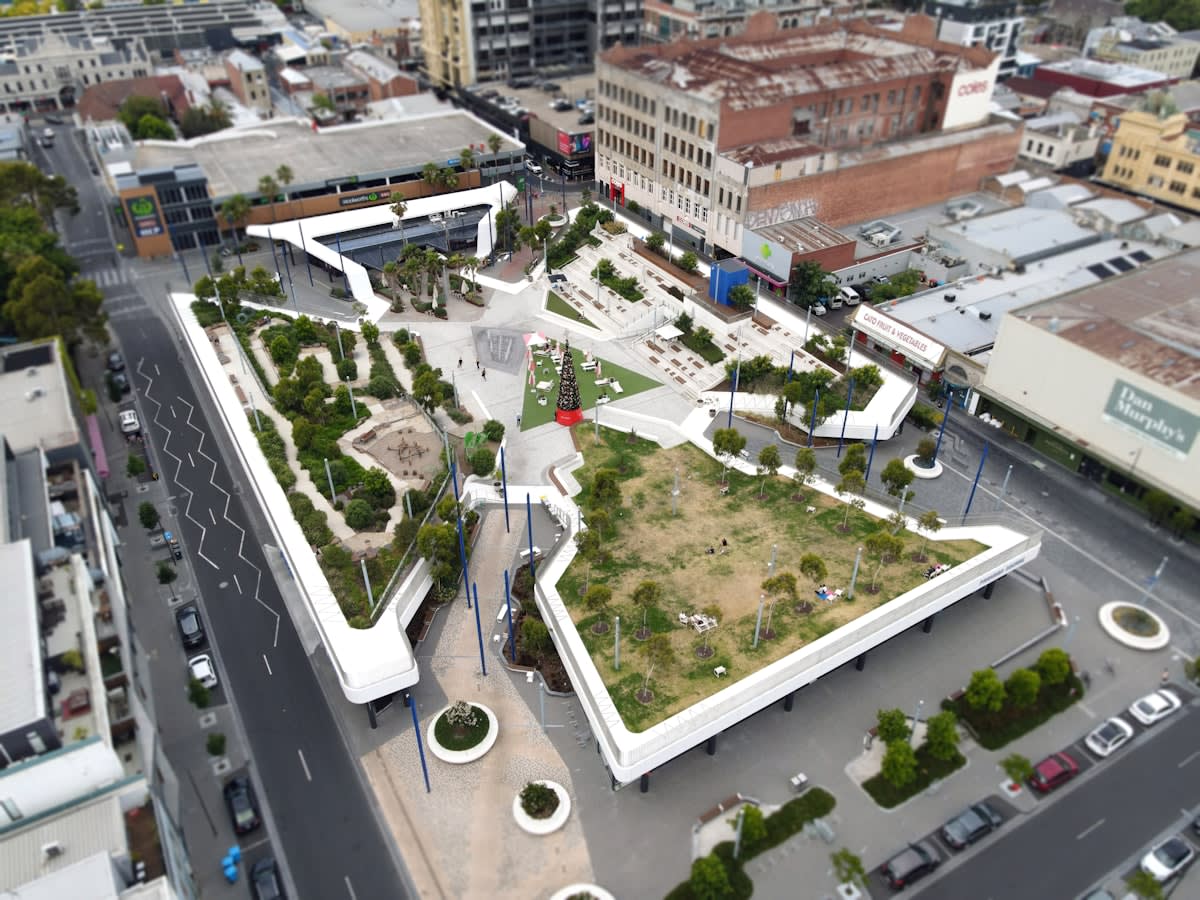
The Pivot to Cognitive Urbanism
The shift toward silence is not about creating vacuum-sealed pods or banning noise; it is about the strategic management of acoustic variance. In cities like Copenhagen and Singapore, the focus has moved toward 'restorative environments.' These are spaces designed specifically to trigger a parasympathetic nervous system response. By integrating biophilic buffers—dense vegetation, flowing water, and porous materials—planners are creating 'acoustic shadows' where the city's roar is filtered out. This allows the brain to switch from a state of high-alert surveillance to one of reflective focus.
"Environmental noise is a major public health problem... leading to cardiovascular disease, sleep disturbance, and cognitive impairment in children."— World Health Organization, Environmental Noise Guidelines for the European Region
This health-centric approach is now colliding with economic reality. According to the World Health Organization (Source: WHO, 2018), noise pollution is one of the most pervasive environmental risks to physical and mental health. When cities ignore this, they aren't just creating an unpleasant atmosphere; they are eroding the productivity of their workforce. The contrarian view is that silence is now a competitive advantage. Cities that can offer 'cognitive refuge' will attract the high-value talent of the knowledge economy, who prioritize mental clarity over the chaotic prestige of a loud downtown core.
Consider the 'Superblocks' model in Barcelona. By redirecting through-traffic to the perimeter of multi-block clusters, the interior streets are reclaimed for pedestrians and silence. This isn't just a traffic management strategy; it is a philosophical reclamation of the street as a place of presence rather than a conduit for transit. The result is a measurable drop in nitrogen dioxide levels and a significant increase in social cohesion, proving that when you remove the noise, the human element naturally fills the void.
The Practitioner's Friction: Yield vs. Quiet
On the ground, this transition is fraught with tension. In the boardroom, the fight is rarely about 'peace'—it is about 'yield.' When I sit with urban planners and developers in global hubs, the debate is not whether silence is beneficial, but how to monetize it without gentrifying the air itself. We argue over 'active frontages'—the traditional requirement that ground-floor retail be loud, bright, and engaging—versus 'sensory buffers.' The friction arises when a developer wants a high-traffic retail corridor to maximize rent, but the psychological data suggests that a 'sensory void' actually increases the dwell time and spending of the high-net-worth visitor.
Practitioners are now debating the concept of 'Acoustic Zoning.' Instead of just zoning for residential or commercial use, we are seeing the emergence of zones defined by their decibel targets. This requires a total rethink of materials. We are moving away from the hard, reflective surfaces of glass and concrete, which amplify noise, toward porous, absorbent composites and living walls. It is a shift from 'building for the eye' to 'building for the ear,' a transition that requires a level of multidisciplinary coordination that most firms are still struggling to implement.
| Design Philosophy | Primary Metric | Human Outcome | Economic Driver |
|---|---|---|---|
| Industrial Urbanism | Throughput/Volume | High Stimulation/Stress | Commercial Density |
| Cognitive Urbanism | Decibel Variance | Cognitive Recovery | Talent Retention |
| Biophilic Silence | Biodiversity Index | Cortisol Reduction | Wellness Real Estate |
This is not merely an aesthetic choice; it is a survival mechanism. As the digital world becomes louder and more intrusive, the physical world must become the antidote. The city of the future will not be the one with the fastest transit or the tallest towers, but the one that can provide the most profound silence. We are seeing this play out in the 'Quiet Luxury' trend of architecture, where the most expensive spaces are those that successfully isolate the occupant from the urban chaos, creating a sanctuary of intentionality.
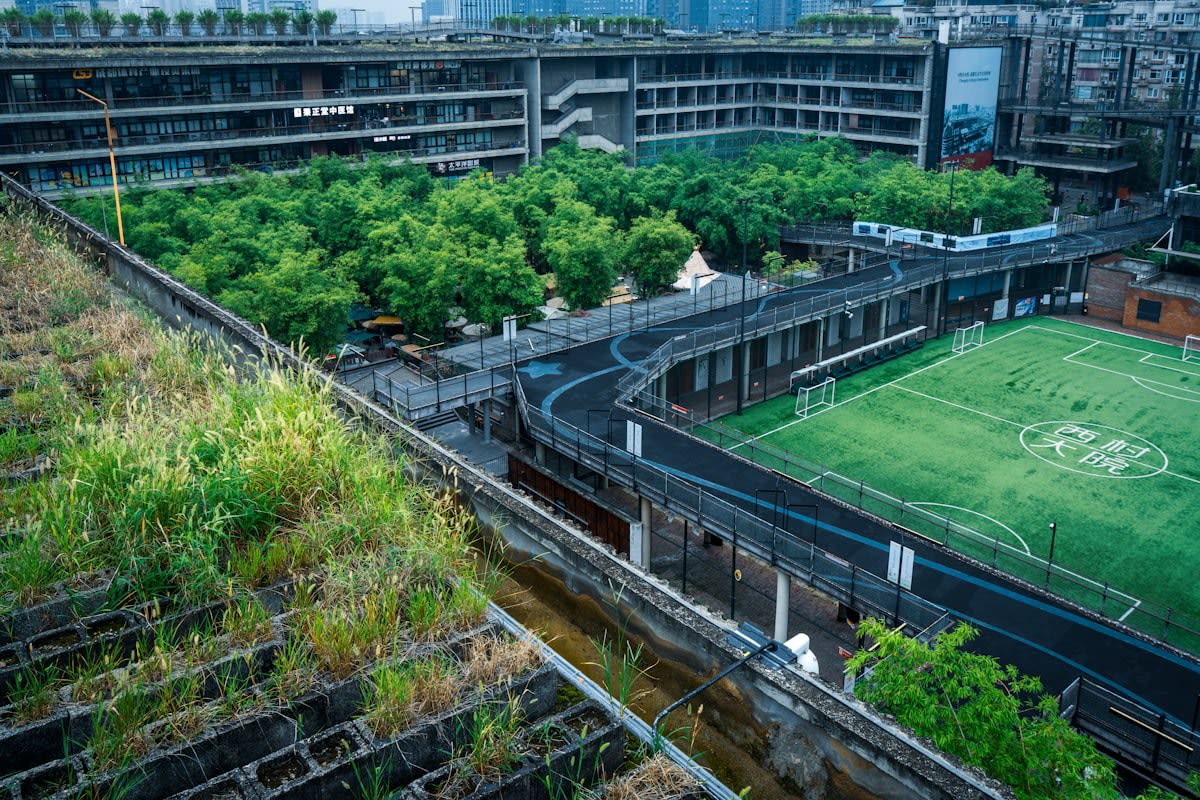
Strategic Resilience and the Silent Future
The long-term implication of this shift is a redesign of the social contract. For too long, silence was a class marker—the wealthy lived in quiet suburbs while the poor lived next to highways and factories. By integrating silence into the public architecture of the city, we are democratizing cognitive health. When a public library or a municipal plaza is designed as an acoustic sanctuary, it provides a critical mental health service to those who cannot afford a private retreat. This is where the philosophy of silence meets the necessity of social equity.
Ultimately, the Architecture of Silence is about resilience. A city that overstimulates its citizens is a city on the brink of burnout. By embracing forgotten philosophical shifts—such as the monastic value of stillness or the Zen concept of Ma (the space between)—modern urbanism is finding a way to sustain human life in an era of unprecedented density. The goal is not a dead city, but a rhythmic one, where the peaks of activity are balanced by the valleys of silence.
Fact-Check & Accuracy Note
The key claims regarding the health impacts of noise are sourced from the World Health Organization's (WHO) 2018 guidelines on environmental noise. The examples of 'Superblocks' refer to the urban planning initiatives in Barcelona. The debate regarding 'Active Frontages' vs 'Sensory Buffers' is an ongoing discourse within the field of urban design and environmental psychology, though specific 'Acoustic Zoning' laws vary significantly by jurisdiction.
Editorial Note
This analysis takes a contrarian stance by framing silence as a strategic economic asset rather than a public health luxury. It challenges the traditional urban planning metric of 'vitality' (often measured by noise and activity) and proposes 'cognitive recovery' as a superior KPI for 21st-century city success.