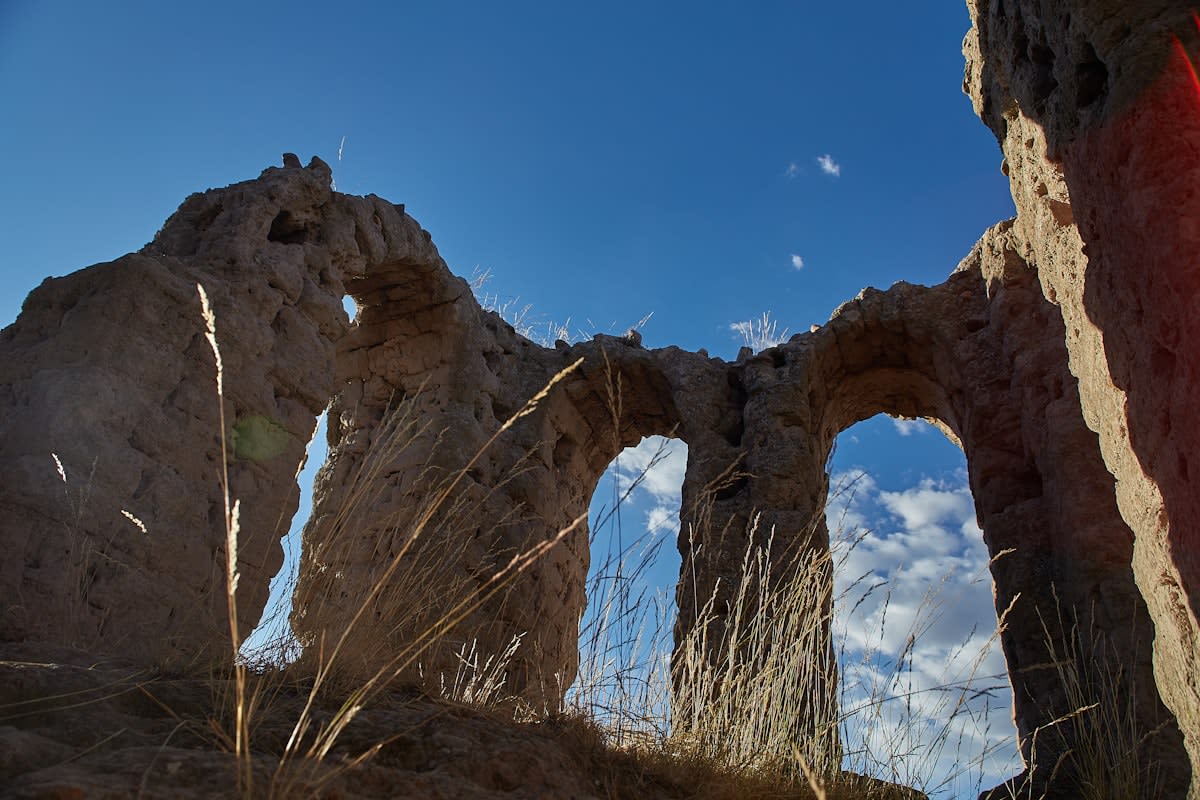
History is obsessed with the moment of the fall. We gaze at the charred remains of palaces and the silence of lost languages, treating the Late Bronze Age Collapse as a sudden, inexplicable catastrophe. But a strategic analyst sees something different. This wasn't a random accident. It was the inevitable result of a system that had optimized for efficiency at the total expense of resilience. The Eastern Mediterranean in the 13th century BCE was a mirror of our own world: hyper-connected, interdependent, and dangerously brittle.
The Mycenaeans, the Hittites, and the Egyptians didn't exist in isolation. They were nodes in a sophisticated, high-stakes trade network that spanned thousands of miles. This interconnectedness brought unprecedented prosperity. It allowed for the rise of massive urban centers and a specialized elite class. However, this prosperity came with a hidden tax: systemic fragility. When you rely on a distant partner for a critical resource, their failure becomes your failure. The Bronze Age taught us that the more tightly coupled a system is, the faster a local shock can transform into a global contagion.
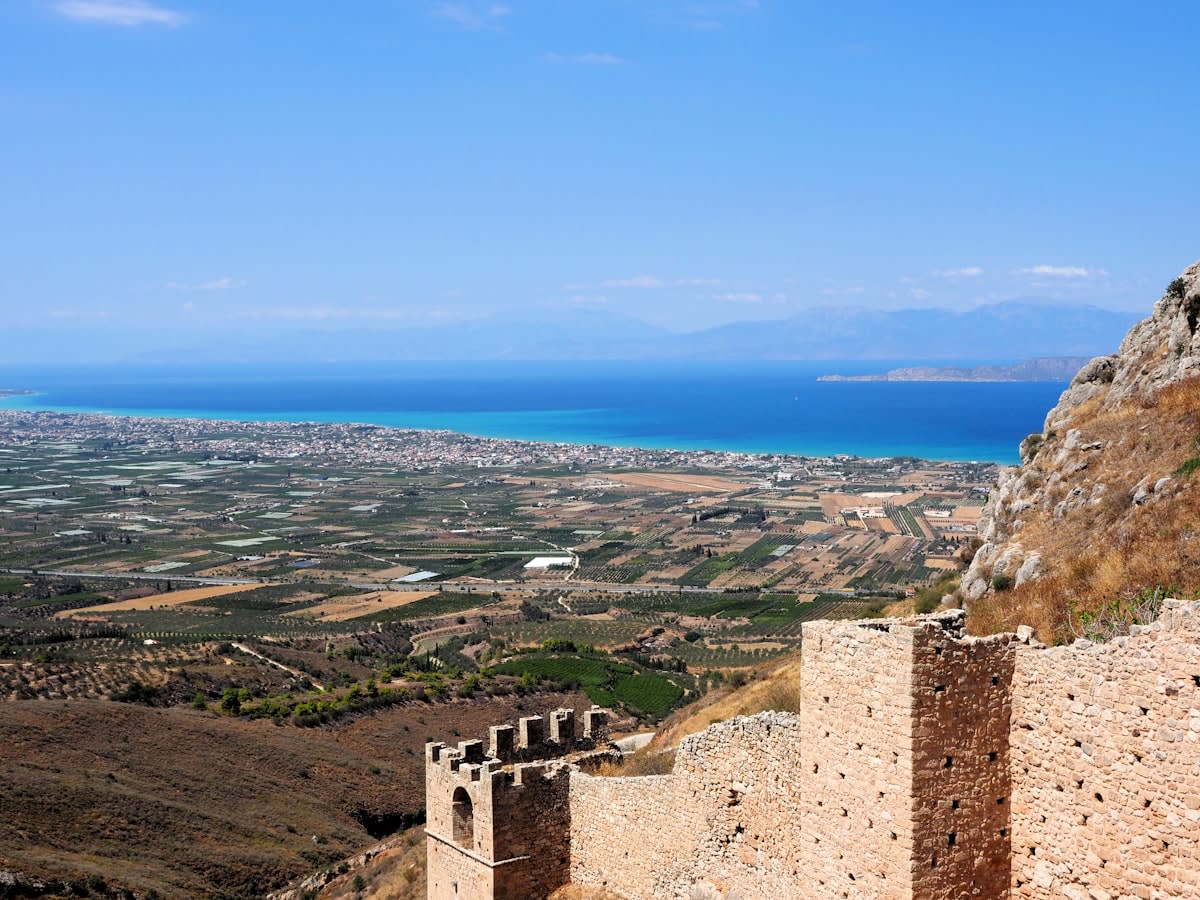
The Trigger: A Convergence of Shocks
No single disaster killed the Bronze Age. Instead, it was a lethal cocktail of stressors that aligned perfectly to push the region beyond a critical threshold. Climate change acted as the primary catalyst. New research indicates that aligning climate cycles triggered severe droughts across the Eastern Mediterranean. This wasn't a temporary dip in rainfall; it was a fundamental shift that crippled agricultural output. For centralized governments that derived their power from the redistribution of grain, a failed harvest wasn't just a food crisis—it was a political death sentence.
While the soil dried up, the borders frayed. Enter the Sea Peoples. Historians still debate whether these mysterious groups were the cause of the collapse or merely scavengers feeding on a dying system. These displaced populations, moving in mass migrations, put immense pressure on already weakened states. They didn't just bring swords; they brought the instability of a world in motion. When the Hittite Empire and the Mycenaean palatial centers could no longer protect their trade routes or feed their citizens, the social contract evaporated.
The Feedback Loop
The 'Sea Peoples' likely represent a feedback loop. Environmental stress led to migration, and migration accelerated the collapse of the states trying to manage the influx. It is a classic example of a systemic cascade.
Why did the collapse feel so total? Because the administrative systems were too specialized. The Late Bronze Age relied on a tiny elite of scribes and bureaucrats who managed complex redistribution networks. When the palaces fell, the literacy required to maintain these systems vanished. This wasn't just a change in government; it was a cognitive crash. The loss of literacy and centralized record-keeping meant that the knowledge of how to run a large-scale society was deleted from the hard drive of civilization.
| Trigger Factor | Systemic Impact | Modern Equivalent | Resilience Strategy |
|---|---|---|---|
| Climate Cycles (Drought) | Agricultural failure & famine | Supply chain disruptions / Resource scarcity | Diversified food/energy sources |
| Sea Peoples (Migration) | Border instability & warfare | Geopolitical volatility / Refugee crises | Adaptive governance & social integration |
| Trade Network Collapse | Economic contagion | Financial market crashes / Digital outages | Decentralized local production |
| Administrative Failure | Loss of literacy & governance | Institutional decay / Loss of expertise | Distributed knowledge & open-source systems |
We must stop viewing the subsequent period as a 'Dark Age.' That term is a romanticized tragedy. In reality, it was a period of simplification. By stripping away the bloated, fragile hierarchies of the palace economies, the survivors were forced to innovate. They moved away from the rigid, centralized control of the Bronze Age and toward more flexible, localized structures. The crash was the prerequisite for the next leap forward.
The Modern Parallel: Efficiency vs. Resilience
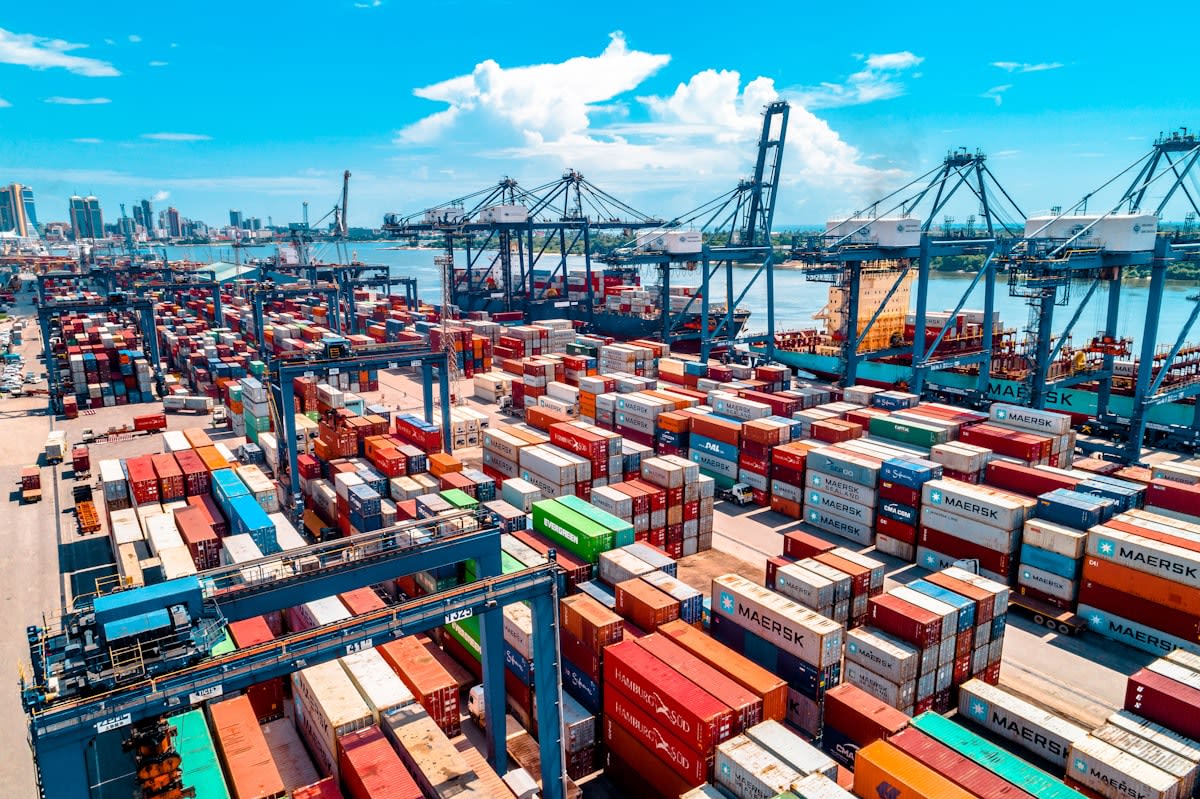
Our modern global economy shares a haunting similarity with the trade networks of the 12th century BCE. We have optimized for 'just-in-time' delivery and global specialization. We don't produce everything we need locally because it is more efficient to source it from wherever it is cheapest. But efficiency is the enemy of resilience. When a single shipping lane is blocked or a single region experiences a climate shock, the ripples are felt globally. We have built a world of exquisite precision that possesses almost zero margin for error.
"Interconnected systems, ones that bring prosperity and [fragility]... complex collapses rarely have simple causes."— Analysis from The Year Civilization Died
The danger isn't the 'crash' itself, but the inability to adapt. The Mycenaeans failed because their system was too rigid to handle a changing environment. They doubled down on palace fortifications while their fields turned to dust. They tried to solve a systemic problem with a localized military solution. This is the primary lesson for the 21st century: you cannot solve a network-level failure by reinforcing a single node.
Is a total reset inevitable? Not necessarily. The difference between a collapse and a transition is the speed of adaptation. The Bronze Age societies were blindsided by the convergence of drought and migration. We, however, have the data to see the thresholds approaching. The opportunity lies in intentional simplification—building redundant systems and diversifying our dependencies before the system decides to simplify itself for us.
- Reduce over-reliance on single-source global supply chains.
- Invest in localized production capabilities to buffer against systemic shocks.
- Shift governance from rigid hierarchies to adaptive, distributed networks.
- Prioritize ecological stability over short-term economic efficiency.
Ultimately, the Late Bronze Age Collapse reveals that civilization is not a linear climb toward permanence. It is a series of pulses. We build complex systems to solve immediate problems, and those very systems eventually become the vulnerabilities that trigger the next shift. The goal is not to prevent change—that is impossible—but to ensure that when the shift happens, we have the flexibility to survive it.