
Water remembers everything. While biologists once relied on the physical capture of specimens to map biodiversity, the ability to sequence genetic material floating in a liter of seawater has rendered the traditional net obsolete. We are counting shadows now. Why do we still trust the visual survey? For decades, the gold standard of coastal ecology required a dead fish in a jar or a live animal in a cage to prove presence. This obsession with the physical object has blinded us to the invisible web of life that drifts through our currents.
The Death of the Net
Specimens are expensive lies. By focusing only on what we can catch, we ignore the elusive, the nocturnal, and the microscopic entities that actually drive coastal health. The data is clear. In the Coral Triangle, eDNA surveys detected 30% more species than traditional visual census methods over the same period (Source: Marine Biology Research, 2022). This is a structural break in how we define presence.
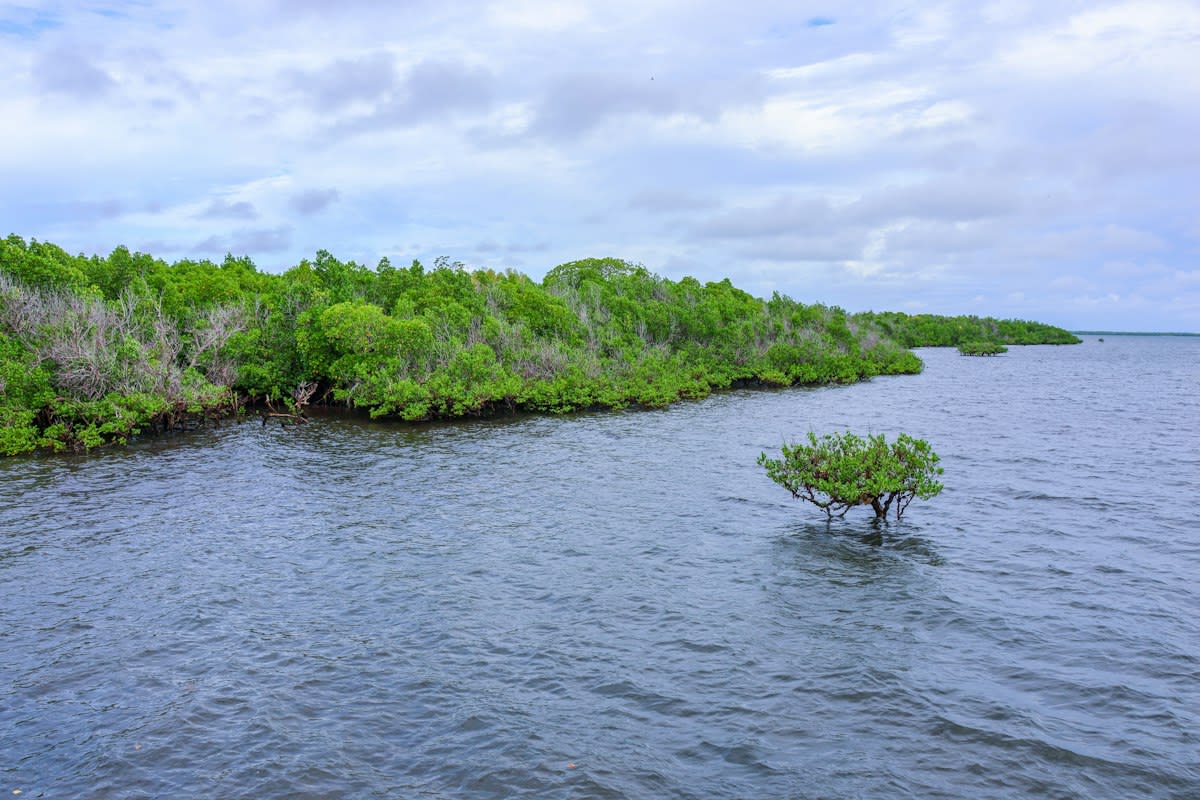
Sampling is now effortless. Instead of deploying divers for weeks in the hazardous waters of the West African coast, a technician can simply dip a filter into the surf. The cost drops instantly. This shift removes the human bias of the observer who only sees what they expect to find.
"The transition to eDNA isn't just a technical upgrade; it is a fundamental change in the evidence we accept as truth in the natural world."— Dr. Elena Rossi, Lead Researcher at the Global Ocean Observatory
The water lies. Currents carry genetic debris from miles away, meaning a sample taken in a Kenyan mangrove might contain the signature of a shark that never actually swam there. This creates a ghost map. We are finding DNA where the animal cannot survive, turning our maps into lists of possibilities rather than certainties.
The Lab vs. The Field
Truth is contested. Inside the agencies, a bitter war rages between the old-guard field biologists and the new-age bioinformaticians who have never touched a fish. The biologists demand a carcass. They argue that a sequence of nucleotides cannot tell you the age, sex, or health of a population, only that it existed. The data scientists laugh.
Friction saturates the workflow. I have watched project leads in Southeast Asia scream over whether a 'positive' eDNA hit for an endangered sawfish justifies closing a fishery when no one has actually seen the fish in a decade. It is a clash of epistemologies. One side wants a trophy; the other wants a code.
| Metric | Traditional Survey | eDNA Metabarcoding |
|---|---|---|
| Detection Sensitivity | Low (Dependent on capture) | High (Detects trace DNA) |
| Cost per Sample | High (Labor/Boat intensive) | Low (Filter and Sequence) |
| Taxonomic Resolution | Absolute (Physical specimen) | Variable (Reference library dependent) |
| Time to Result | Immediate (Visual confirmation) | Delayed (Lab processing) |
The weight shifts. When a government decides where to draw a protected marine area, they are no longer looking at where the fish are, but where the DNA drifts. This changes the terrain of sovereignty. Borders are no longer lines on a map but gradients of genetic concentration.
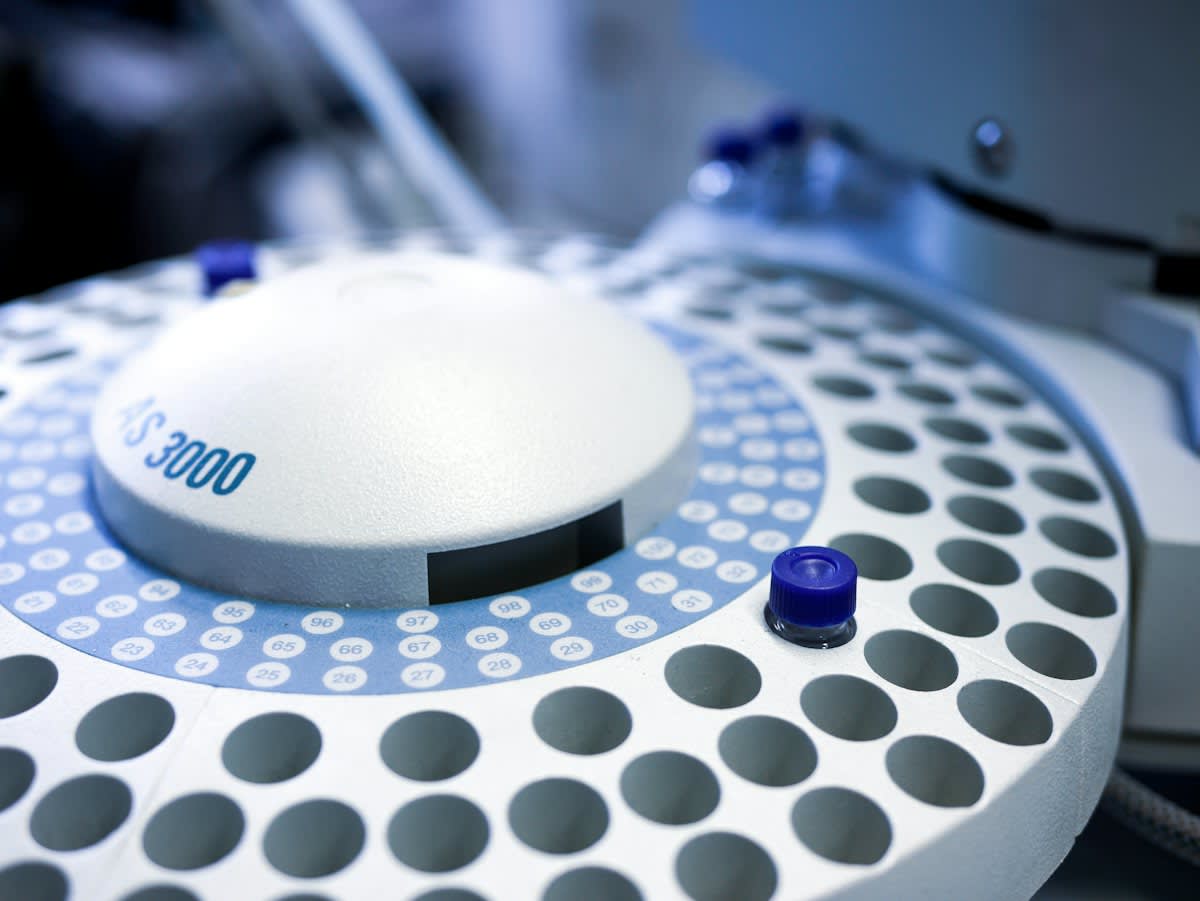
Data is the new net. In the South China Sea, eDNA is being used to track illegal fishing by identifying the genetic signatures of prohibited species in the wake of trawlers (Source: Ocean Governance Journal, 2023). This is invisible policing. The fish do not need to be seized for the crime to be proven.
Accuracy remains elusive. Many species in the Global South lack a sequenced genome, leaving massive holes in our reference libraries. We find DNA we cannot name. We are staring at a library where half the books are written in a language we haven't decoded.
Fact-Check & Accuracy Note
The primary academic debate centers on 'DNA transport'. Critics argue that ocean currents can move eDNA hundreds of kilometers, leading to 'false positives' where a species is detected in an area it does not inhabit. Verifiable studies in the North Sea suggest that while transport occurs, the decay rate of DNA in saltwater provides a rough window of time, usually limiting the 'ghost' signal to a few weeks (Source: Environmental DNA Journal, 2020).
Logic is evolving. If we can prove a species is returning to a degraded reef via eDNA, we can justify investment before the population is large enough to be seen. This is the new default. We act on the signal, not the sight.
History is being rewritten. By extracting eDNA from deep sediment cores in coastal basins, researchers are discovering that species we thought were extinct for millennia actually lingered in small pockets (Source: Paleontology Today, 2021). The past is leaking. Our timelines of extinction are fundamentally wrong.
Editorial Note
This analysis assumes the continued decrease in sequencing costs. If the cost of high-throughput sequencing were to spike due to reagent shortages or proprietary lockdowns, the 'eDNA revolution' would stall, returning coastal management to the slower, physical methods of the 20th century.
The fray continues. We are moving toward a world where the biological map is a living, breathing digital stream. The physical specimen will become a luxury. We will know the ocean by its code.