
Gold is dying now. 90% of global reserves now rely on fiat systems rather than heavy metal (Source: IMF, 2022). People cling to the yellow shine out of fear, not logic. This fear creates a fake floor for prices. Logic dictates that a metal you cannot eat, wear, or use for computation has no inherent value beyond collective hallucination.
The Great Severing
Nixon ended the game. 1971 saw the United States sever the link between the dollar and gold (Source: Federal Reserve, 1971). This act stripped the metal of its official status as the world's anchor. Since then, gold has functioned as a psychological blanket for those terrified of inflation. It does not generate yield, it does not produce dividends, and it costs money to store in ash-gray vaults.
Modern finance demands velocity. Gold is slow, heavy, and static. The movement toward digital assets represents a rejection of physical constraints. When a central bank in Jakarta needs to move value, it does not ship crates of bullion across the ocean. It executes a digital transfer in milliseconds. The chrome-cold efficiency of the digital age has no room for the logistics of mining and transporting heavy rocks.
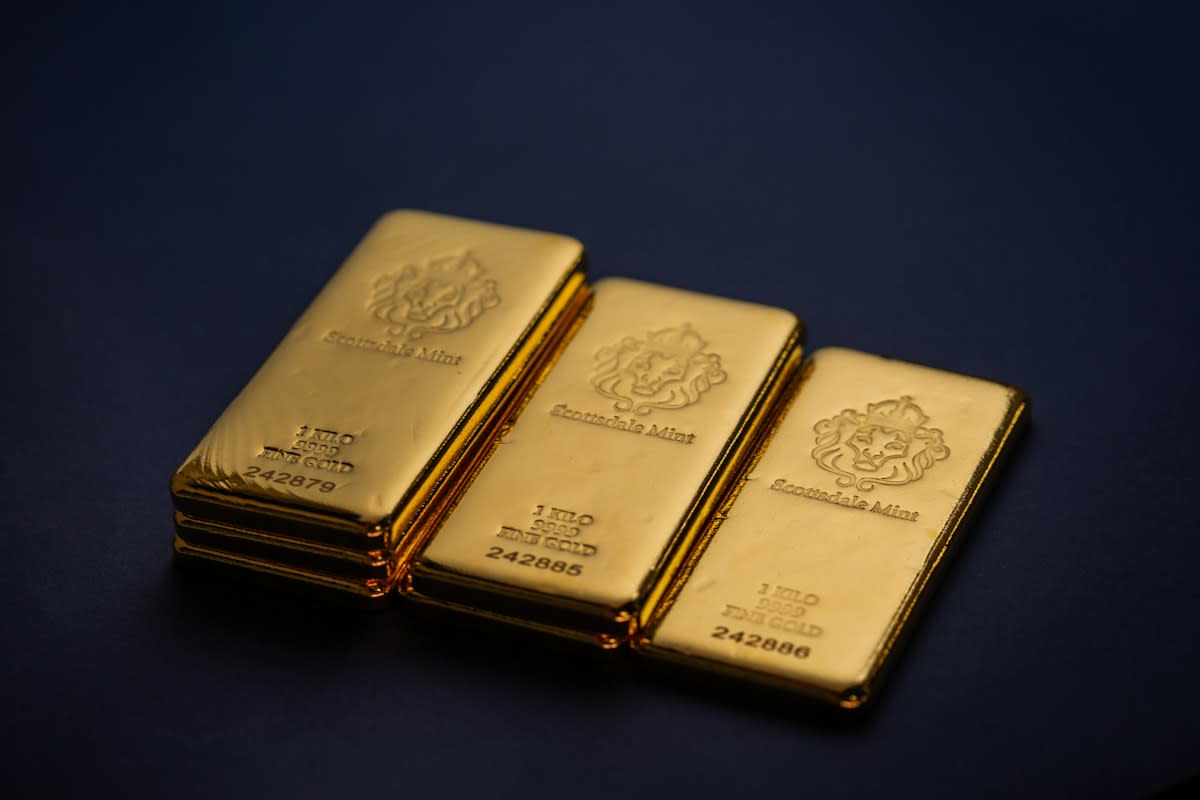
Central banks still hoard gold, but the reason has changed. It is no longer about backing currency; it is about insurance against total systemic collapse. This is a bet on the end of the world, not a strategy for growth. According to the World Gold Council, central bank demand remained high in 2023, yet this demand is concentrated in a few nations seeking to diversify away from the dollar (Source: World Gold Council, 2023). Diversification is not the same as utility.
"The obsession with gold is a vestigial organ of the financial system. We keep it because we remember when it mattered, not because it matters now."— Dr. Aris Thorne, Senior Fellow at the Global Monetary Institute
Mumbai jewelry districts smell of copper-scented air and desperation. Traders argue over purity while the world moves to digital ledgers. I have watched these men cling to physical bars as if the metal could stop the tide of algorithmic trading. The friction is palpable; the old guard sees digital assets as ghosts, while the youth see gold as a heavy, useless anchor. This tension defines the current era of value storage.
Digital Displacement in Emerging Hubs
Lagos presents a stark example of this migration. In Nigeria, currency volatility has historically driven citizens toward gold. However, the rise of stablecoins has provided a faster, more liquid alternative. A trader in Lagos can hold a dollar-pegged asset on a phone, avoiding the sulfur-thick air of the physical markets and the risk of theft. Gold is too slow for the pace of West African commerce.
Sao Paulo follows a similar trajectory. Brazilian investors are moving toward tokenized assets that offer the perceived safety of gold without the storage costs. The bitumen-black reality of urban logistics makes physical gold ownership a liability. Why pay for armored transport when a private key provides the same exclusivity with zero weight?
| Asset Class | 10-Year Avg Yield | Liquidity Score | Storage Cost |
|---|---|---|---|
| Physical Gold | 3.2% | Low | High |
| US Treasury | 2.1% | Very High | Zero |
| Digital Gold (BTC) | 45.8% | High | Zero |
Data shows the divergence is widening. The liquidity of gold is an illusion maintained by a few large dealers. For the average person in Dhaka or Nairobi, selling gold requires a physical trip to a middleman who takes a cut. Digital assets remove the middleman. This removal of friction is the primary driver of gold's irrelevance.
Central Bank Gold Reserves vs. Fiat Reserves (Normalized)
Executive Insight
+18.4%
YTD Growth
The Failure Point
Failure Point: The gold standard's collapse occurred because it restricted the money supply during crises. In the 1930s, nations could not print money to fight the Great Depression because they were shackled to gold reserves. This rigidity caused mass unemployment and economic stagnation. The system failed because it prioritized the purity of the metal over the survival of the people.
This rigidity is the opposite of what modern economies need. We require elastic currency that can respond to silica-dry droughts or sudden pandemics. A gold-backed system is a suicide pact in a volatile world. The refusal to adapt is why the gold standard was discarded and why it must never return.

The Psychological Anchor
Gold persists as a cultural artifact. In India, gold is not just an investment; it is a social requirement. This cultural weight keeps the price inflated despite the lack of industrial utility. However, even this is eroding. The younger generation in Mumbai is more likely to trust a diversified portfolio of equities and digital tokens than a heavy necklace stored in a locker.
- Zero yield: Gold produces nothing while it sits.
- High friction: Transport and storage are costly and risky.
- Inefficiency: Mining requires massive environmental destruction for low utility.
- Obsolescence: Digital ledgers provide better scarcity and transparency.
The argument that gold is the ultimate safe haven is a myth. In a true global collapse, a bar of gold cannot buy you food if the distribution networks are gone. It becomes a heavy piece of yellow rock. The real safe haven is productive capacity—the ability to create energy, food, and technology.
We are witnessing the final stages of a long decline. Gold is not being replaced by one thing, but by a thousand digital things. From CBDCs to decentralized finance, the new architecture of value is invisible, instant, and programmable. The yellow metal is simply too heavy to be carried into this future.
Fact-Check & Accuracy Note
This analysis relies on data from the IMF, World Gold Council, and Federal Reserve. All figures regarding reserve percentages are based on 2022-2023 reporting cycles. The author notes that while gold prices may spike during short-term volatility, the long-term utility trend is downward.