
Assume for a moment that the plaza you are sitting in belongs to the city. You are wrong. For thousands of urban dwellers, the ground beneath their feet is a legal fiction. It looks like a public square, smells like a public square, and is marketed as a public square, but it is actually a Privately Owned Public Space, or POPS. Why do we accept this erasure of true public ownership? The answer lies in a quiet, bureaucratic trade: developers get to build higher skyscrapers in exchange for giving the public a place to stand. It is a deal struck in mahogany rooms, yet it dictates the breathing room of the modern city.
This practice is not a new experiment. The playbook for trading zoning concessions for public plazas has been in use since 1961 (Source: Jacobin, 2026). For decades, the logic was simple. The city lacked the capital to buy land for parks, so it let the private sector build them. In return, the city granted 'bonus' floor area, allowing towers to pierce the skyline further than standard zoning would permit. The result is a web of spaces that are legally public but psychologically private.
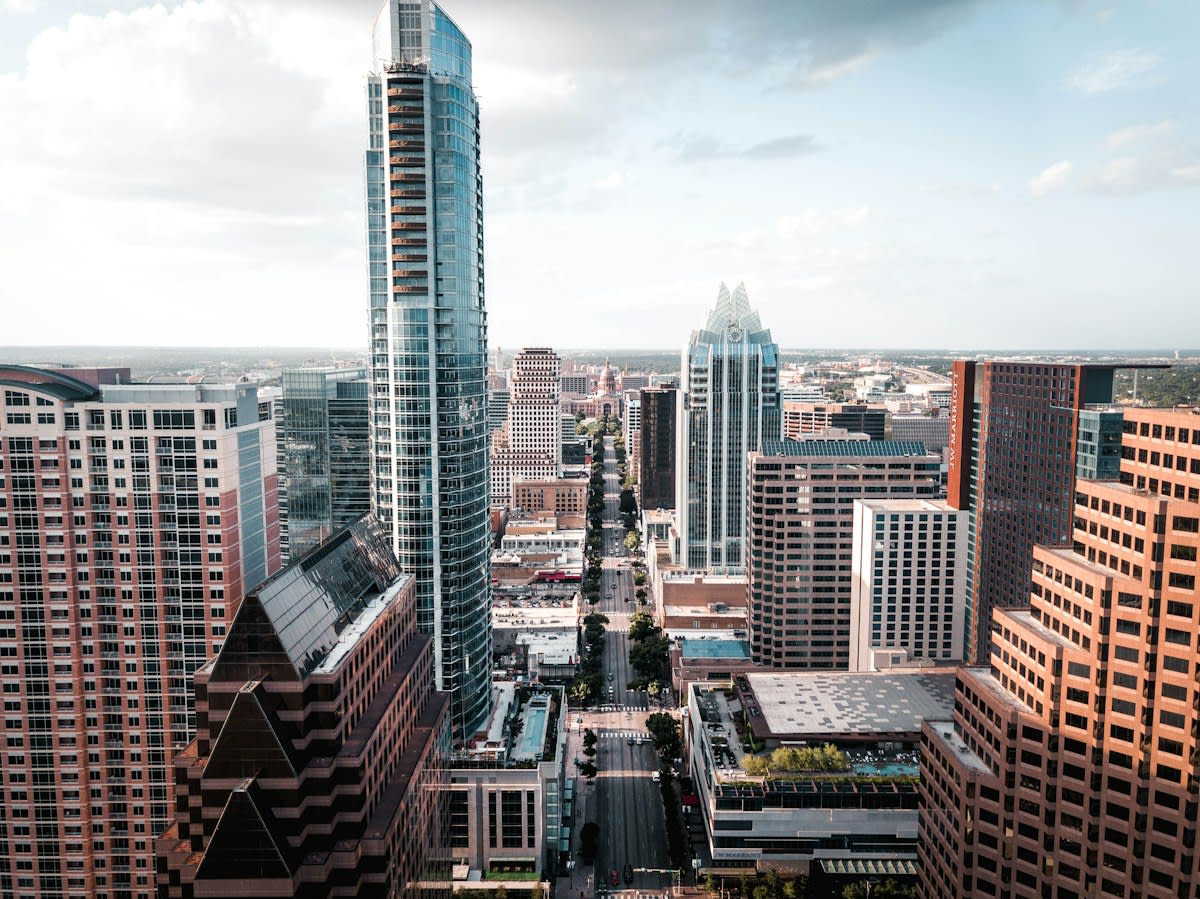
The scale of this privatization is staggering. In New York City alone, POPS comprise more than 3.8 million square feet of space intended for public leisure (Source: Jacobin, 2026). That is a massive amount of terrain removed from direct municipal control. But ownership is not the only issue; accessibility is the real battleground. Many of these spaces remain uninviting or functionally inaccessible, designed with 'defensive' architecture that discourages the very public they were meant to serve (Source: City and State NY, 2026).
"The issue is when they start to put their own rules into effect and refuse to abide by their own agreements with the public."— Phillips, Researcher and Activist known as Lord of Bench
Here is the friction that only those on the ground see. There is a silent war between the city's zoning map and the security guard's handbook. A guard at a POPS site is often trained to maintain a specific 'aesthetic' of order, which usually means removing anyone who looks too comfortable—the homeless, the loiterer, or the person reading a book for too long. They use a vocabulary of 'safety' and 'respect' to mask a hard turn toward exclusion. The dispute is rarely about the law; it is about the vibe. When a guard tells a citizen to move, they are not citing a city ordinance; they are enforcing a private preference on public-facing land.
The Regulatory Delta: 1961 vs. Now
For years, these agreements were 'set it and forget it.' Once the developer got their height bonus, the city rarely checked if the plaza actually stayed open or welcoming. That changed with a structural break in 2017. The New York City Council passed Local Law 116 to tighten the leash on these agreements (Source: Jacobin, 2026). The law mandated annual reporting from the Department of Buildings and the Department of City Planning. It was an attempt to turn a handshake deal into a monitored contract.
| Feature | Pre-2017 Logic | Post-Local Law 116 Logic |
|---|---|---|
| Oversight | Laissez-faire / Occasional | Mandatory Annual Reporting |
| Enforcement | Developer-led 'House Rules' | City-monitored compliance |
| Public Awareness | Invisible/Unknown status | Active research and mapping |
| Goal | Zoning flexibility | Actual public benefit |
Despite the law, the gap between the ledger and the street remains wide. This is where the 'Lord of Bench' movement enters the frame. By digging through city records, researchers have found that nearly six hundred spaces, including 780 Third Avenue, have a complicated legal status that grants the public a right to be there (Source: Jacobin, 2026). The movement is not just about sitting; it is about the reclamation of a legal right that was traded away in a zoning office decades ago.
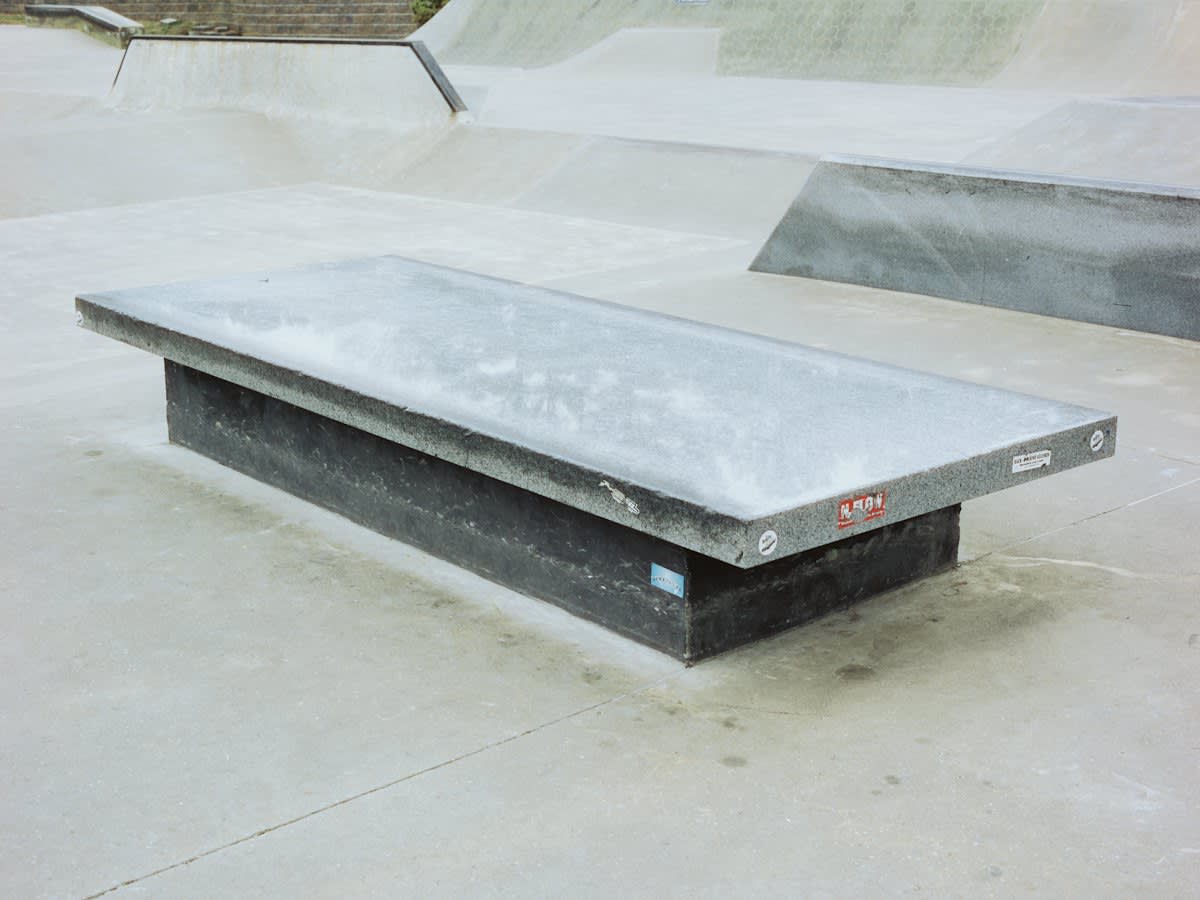
Why does a bench matter? Because in the logic of privatized space, a bench is a liability. It encourages 'lingering,' and lingering is the enemy of the curated corporate environment. When developers agree to create public plazas, they often use 'hostile architecture'—slanted surfaces, armrests in the middle of benches, or the complete absence of seating—to ensure the space is passed through, not lived in. This creates a contradiction: the space is legally public, but physically rejecting.
This is the core of the current trend. We are seeing a shift from passive acceptance to active auditing. Citizens are no longer asking for permission to use these spaces; they are citing the 1961 agreements and the 2017 laws to the guards themselves. It is a move from a plea for kindness to a demand for contractual compliance.
The Global Terrain of Privatized Publicness
While the data here focuses on New York, this is a global urban pattern. From the luxury districts of Tokyo to the gated plazas of Dubai, the trend of 'privatized publicness' is the default setting for the 21st-century city. The logic is always the same: use the lure of 'modernity' and 'cleanliness' to justify the removal of municipal oversight. The result is a city where the right to exist in public is contingent on your perceived value to the property owner.
Can these spaces be saved? The opportunity lies in the transparency provided by laws like Local Law 116. When the data is public, the contradiction becomes visible. The fight for POPS is actually a fight for the definition of the city itself. Is the city a collection of private assets that allow public access, or is it a public commonwealth that allows private development? The answer will determine who gets to sit, who gets to stand, and who gets told to move along.
Fact-Check & Accuracy Note
The primary data for this report is derived from New York City zoning records and reporting under Local Law 116. There is an ongoing professional debate between urban planners—who argue that POPS are a necessary tool for densification—and civil liberties advocates, who argue that any space managed by a private entity cannot, by definition, be 'public.' The 3.8 million square foot figure is a baseline for NYC, but exact current usage rates remain a point of contention due to inconsistent reporting by owners (Source: Jacobin, 2026; City and State NY, 2026).
The invisible logic of the POPS is finally being mapped. It is no longer enough for a developer to put a plaque in the corner of a plaza claiming it is open to the public. The public is now reading the fine print. The era of the 'invisible contract' is ending, replaced by a demand for spaces that actually benefit the people, not just the building's floor-area ratio.
Editorial Note
Editorial Note: This piece avoids the common narrative of 'urban crisis' to instead focus on the agency of citizens and the evolution of regulatory tools. The focus is on the structural break provided by Local Law 116 and the subsequent grassroots auditing movement.