The Precipitation Trigger
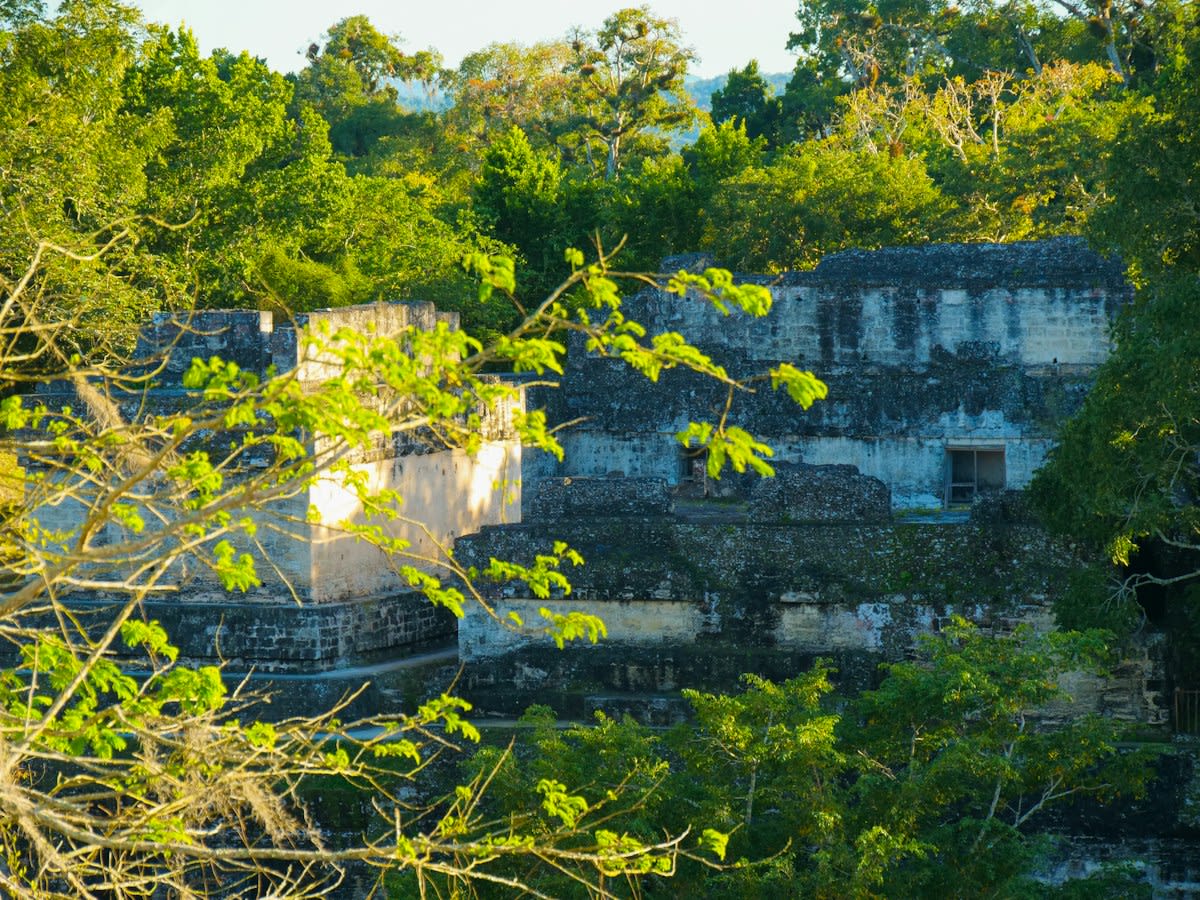
Paleoclimate data from stalagmites in the Yok Balum cave reveals a series of severe multi-decadal droughts between 800 and 1000 AD (Source: Science, 2018). This wasn't a single bad season. It was a systemic failure of the hydrological cycle. Precipitation plummeted by an estimated 40 to 70 percent in the central lowlands (Source: Nature, 2018). The Maya had built sophisticated reservoirs in cities like Tikal, but these systems were designed for seasonal fluctuations, not permanent climatic shifts. When the water stopped, the infrastructure became a liability rather than an asset.
The immediate result was a food security crisis. Maize production depends on consistent rainfall during the growing season. As the drought intensified, the agricultural surplus that supported the non-farming elite vanished (Source: University of Cincinnati, 2015). The cities of the Southern Lowlands, characterized by high population densities, could not pivot their food sources quickly enough. This created a lethal friction between the available calories and the population's requirements. The delta between 750 AD and 900 AD shows a terrifying drop in urban carrying capacity.
The Legitimacy Gap
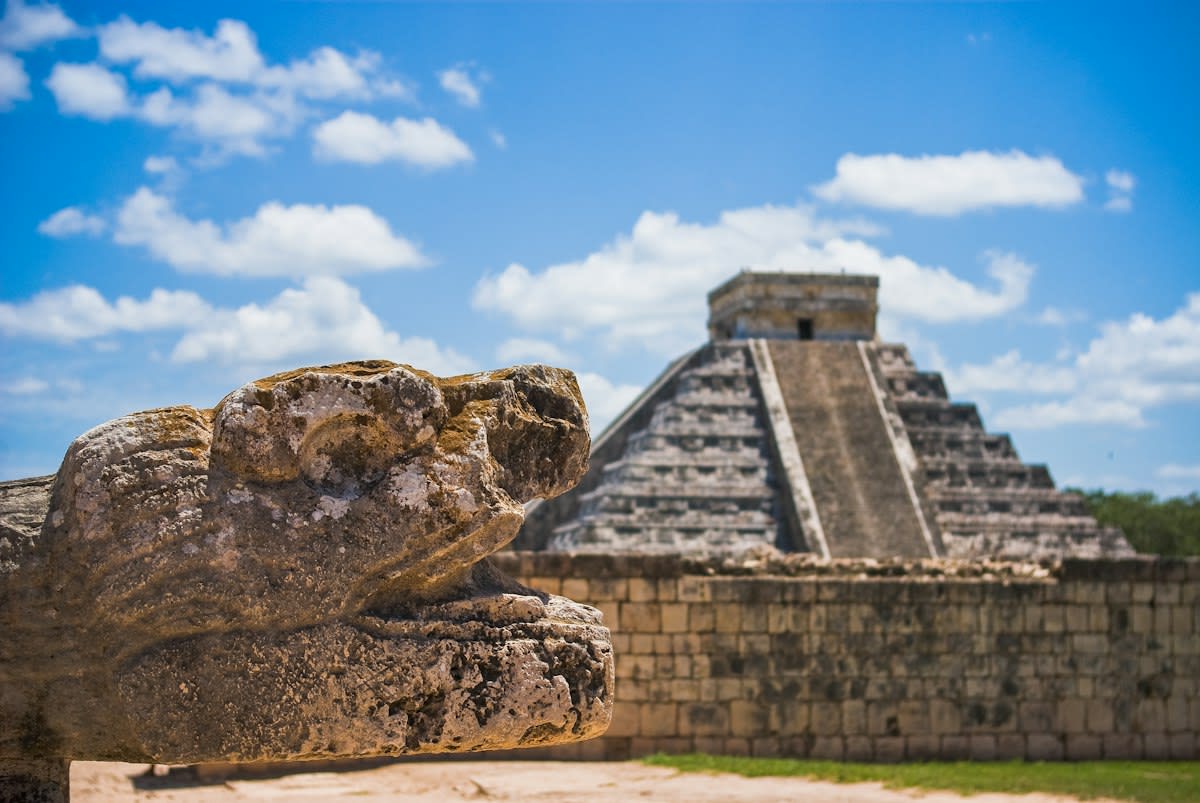
Maya governance relied on the K'uhul Ajaw, or Divine Lord. These kings didn't just manage taxes; they claimed the ability to communicate with the gods to ensure rain and harvests. When the droughts persisted for decades, the ideological foundation of the state cracked. The king's failure to produce rain was not seen as a meteorological event, but as a loss of divine mandate. This created a second-order effect: a total collapse of political legitimacy. If the king cannot provide water, why obey the king?
"The collapse was not a single event but a process of attrition where the environmental stressors acted as a catalyst for pre-existing political instabilities."— Richardson Gill, Paleoclimatologist and Maya Scholar
The response to this legitimacy gap was not democratic reform, but intensified warfare. Cities like Dos Pilas and Aguateca saw a surge in defensive fortifications during the Terminal Classic period (Source: Archaeological Institute of America, 2012). Leaders attempted to maintain power through coercion and conquest rather than consensus. This led to a feedback loop of instability. Warfare disrupted the very farming cycles needed to combat the drought, accelerating the abandonment of the countryside.
| Metric | Classic Peak (c. 750 AD) | Terminal Classic (c. 900 AD) |
|---|---|---|
| Rainfall Levels | Stable/Predictable | 40-70% Reduction (Source: Science, 2018) |
| Urban Population | High Density (Tikal/Copán) | Massive Decline/Fragmentation |
| Political Structure | Centralized Divine Kingship | Fractured Warring Chiefdoms |
| Agricultural Focus | Intensive Maize Surplus | Subsistence/Diversified |
The shift in power dynamics is visible in the archaeological record. Large-scale monumental construction stopped abruptly in the Southern Lowlands. The energy that once went into building pyramids was redirected toward building walls. This shift indicates a society in survival mode, focusing on immediate security over long-term cultural investment. The delta in resource allocation reveals a civilization that had stopped planning for the future and started fighting for the present.
Ground-Level Friction
From a practitioner's perspective, the collapse looked like a series of failed prototypes in crisis management. Imagine the logistics in Tikal: thousands of people relying on central reservoirs that were leaching toxins from the surrounding plaster and paint (Source: Science, 2020). The elite were likely hoarding the remaining clean water while the peasantry faced starvation. This wasn't a poetic fade into the jungle; it was a gritty, violent struggle over the last few gallons of potable water. Political infighting among the nobility likely paralyzed any coordinated response to the drought.
The 'ugly' reality involved peasant revolts and palace coups. In many cities, we see evidence of the desecration of royal monuments—stelae were smashed and palaces were burned from the inside (Source: University of Texas at Austin, 2016). This suggests that the population didn't just leave; they actively dismantled the symbols of the regime that had failed them. The friction between the starving labor force and the delusional elite reached a breaking point where the city itself became a death trap.
The Albedo Effect and Ecological Suicide
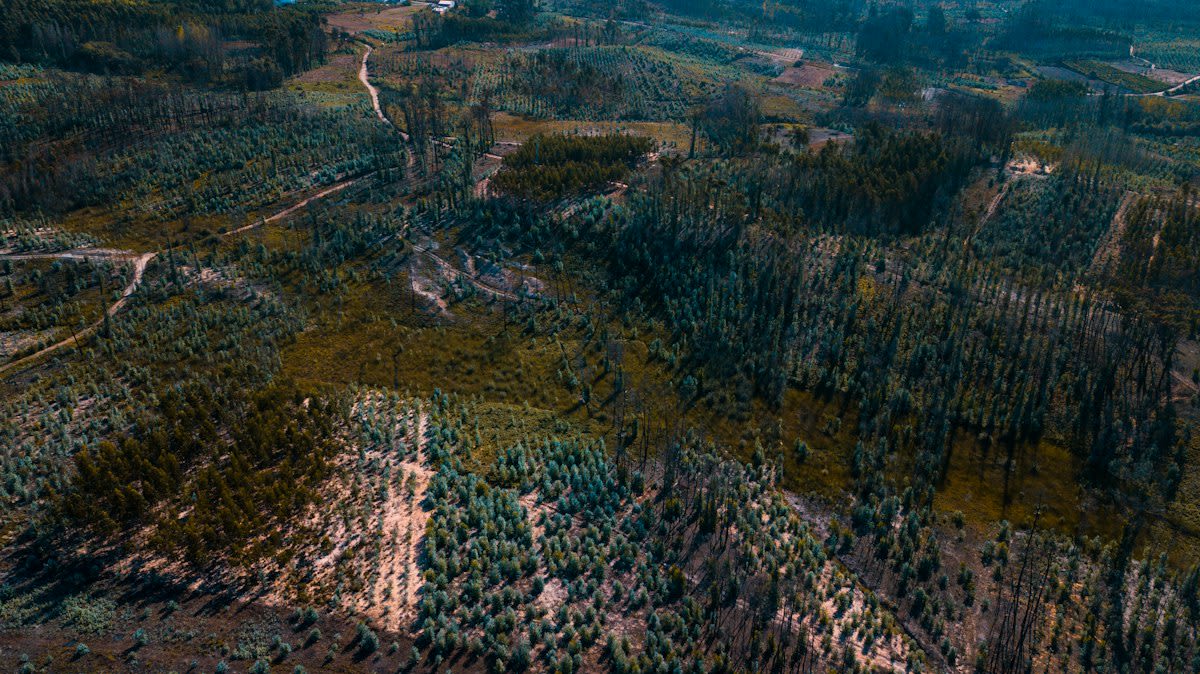
The Maya didn't just suffer from a natural drought; they amplified it. To build their massive cities and coat them in white lime plaster, they required immense amounts of fuel for kilns. This led to widespread deforestation across the lowlands (Source: Nature, 2018). Removing the forest canopy increased the surface albedo, meaning more sunlight reflected off the ground, which reduced the moisture returned to the atmosphere. This created a localized warming effect that suppressed rainfall further.
This was a classic case of ecological overshoot. The civilization increased its complexity and population beyond the environment's ability to regenerate. By the time the megadroughts hit, the natural buffers—forests and healthy soil—had been stripped away. The soil was exhausted from continuous maize monoculture, leading to nutrient depletion and lower yields (Source: Science, 2018). The system had zero resilience left.
- Primary Trigger: Multi-decadal megadroughts reducing rainfall by up to 70%.
- Secondary Trigger: Loss of political legitimacy for the 'Divine Kings'.
- Tertiary Trigger: Endemic warfare and the collapse of trade networks.
- Amplifier: Deforestation and soil exhaustion creating a hostile micro-climate.
- Outcome: Mass migration to the Northern Lowlands and coastal hubs.
Ultimately, the Maya didn't 'disappear.' They reorganized. The population shifted toward the coast and the Northern Lowlands, where cities like Chichen Itza rose to prominence by pivoting from divine kingship to more collective, mercantile governance (Source: National Geographic, 2019). The collapse was specific to the urban model of the Southern Lowlands. The people survived, but the system of the Classic Period died because it was too rigid to adapt to a changing climate.
Fact-Check & Accuracy Note
Settled Fact: The Southern Lowlands experienced a massive population decline and urban abandonment between 800-1000 AD driven by drought and warfare. Debated Claim: The exact percentage of population loss varies by region; some argue it was a total collapse, while others see it as a strategic migration. The role of 'foreign invaders' remains a minority theory compared to the systemic failure model.