Infographic explainer on US flight chaos: What caused FAA shutdown, why delays continue and what’s next?
Source Entity
The Indian Express
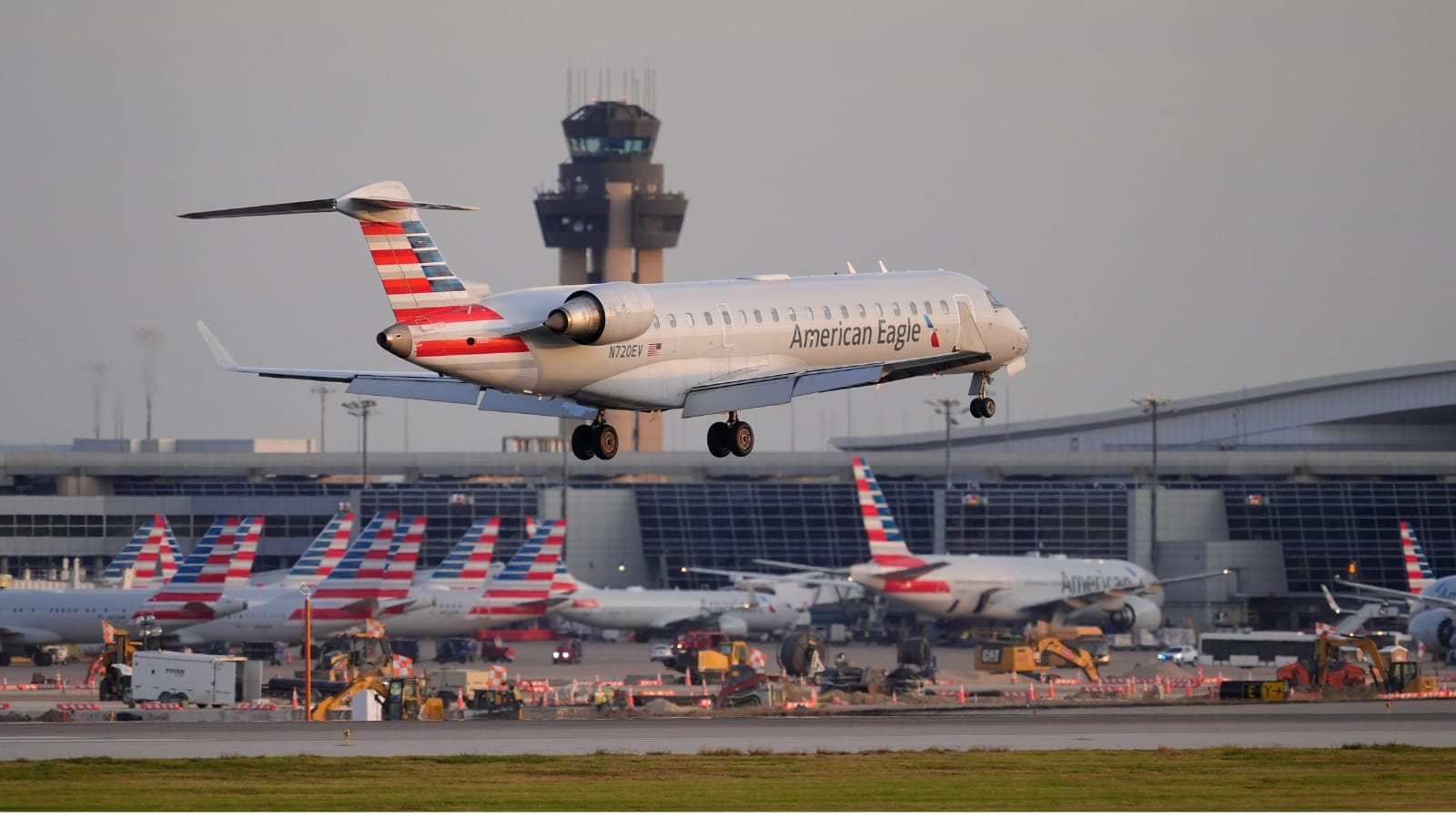
A massive FAA ground stop caused by aging air traffic control systems led to thousands of flight cancellations across the U.S. The Trump administration is now pushing for a $50 billion investment to modernize the nation's aviation infrastructure.
The U.S. Aviation Crisis: Aging Infrastructure and Systemic Failure
The recent nationwide ground stop, which halted U.S. air travel for over four hours, serves as a stark reminder of the fragility inherent in the nation's critical infrastructure. The disruption, which persisted into the weekend with over 6,200 delays and 3,400 cancellations reported by FlightAware, highlights a growing tension between modern technological demands and legacy air traffic control systems that have struggled to keep pace with the volume of contemporary travel.
The Anatomy of the Ground Stop
On Friday, the Federal Aviation Administration (FAA) was forced to execute a nationwide ground stop after encountering catastrophic communications and radar gaps. Officials noted that the integration of new technology into the existing framework essentially overloaded antiquated equipment. This "intermittent" failure resulted in the longest nationwide ground stop in 25 years, stranding thousands of passengers and forcing logistical pivots for major sports teams and commercial travelers alike.
A Call for Massive Reinvestment
In the aftermath of the shutdown, the Trump administration has escalated its push for systemic change, with Transportation Secretary Sean Duffy requesting $50 billion in funding to overhaul air traffic control infrastructure. The administration characterizes the current state of these systems as an emergency, arguing that the recent failure is a direct consequence of decades of underinvestment and reliance on infrastructure that is no longer fit for purpose.
Operational Recovery and Long-term Implications
While the FAA officially lifted the ground stop at 8:15 p.m. ET on Friday after performing stability tests, the ripple effect on airline schedules is expected to last for several days. The challenge for airlines is not merely restarting operations, but managing the massive backlog of displaced passengers and crews. Officials remain optimistic that the system will stabilize before the high-volume Thanksgiving travel rush, though this depends entirely on the reliability of the patched systems.
The Future of U.S. Air Traffic Management
The political debate surrounding the $50 billion funding request underscores a broader national conversation regarding the modernization of public utilities. As the U.S. aviation sector continues to see increased demand, the risk of similar failures remains high unless the underlying hardware and software are brought into the 21st century. The path forward involves balancing immediate operational safety with the long-term goal of building a resilient, high-capacity air traffic control network that can withstand the integration of next-generation aviation technologies.
Multiple Citing Sources