Trident submarine returns home after record-breaking undersea patrol
Source Entity
BBC News
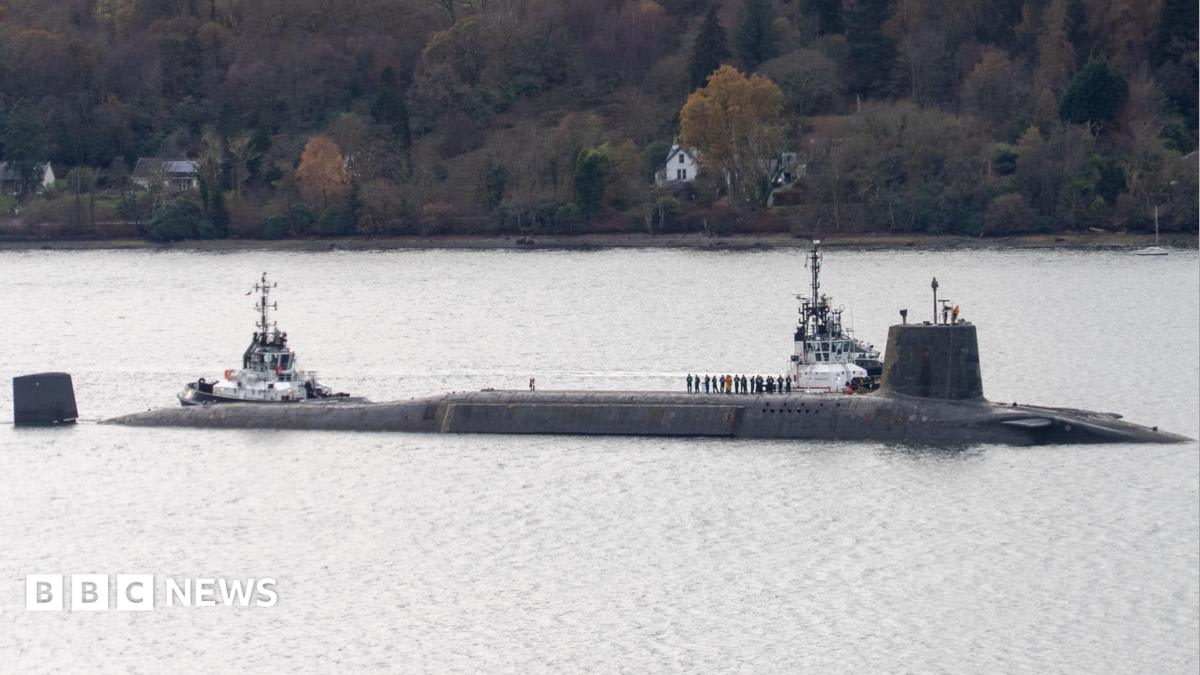
The HMS Vengeance has returned to HM Naval Base Clyde following a record-breaking 217-day submerged patrol. This historic deployment highlights growing operational strain on the UK's Vanguard-class submarine fleet.
A Historic Return for the Royal Navy
The return of HMS Vengeance to HM Naval Base Clyde marks a significant milestone in British naval history. After spending 217 days submerged, the vessel has concluded the longest continuous patrol ever undertaken by a British submarine. The arrival was met with formal recognition from Defence Secretary Wes Streeting, who personally welcomed the 140-strong crew back to the Scottish base, acknowledging the immense psychological and physical toll of such an extended period of isolation.
The Operational Reality of Vanguard-Class Submarines
This record-breaking mission is not an isolated incident but rather a symptom of broader structural pressures within the Royal Navy. The Vanguard-class ballistic missile submarines, which serve as the cornerstone of the UK’s nuclear deterrent, are currently operating at a tempo that far exceeds their original design specifications. With patrol lengths now routinely doubling from traditional durations to six months or more, the fleet is being pushed to its absolute limits to maintain a continuous at-sea presence.
Strategic Drivers of Extended Deployments
The primary driver behind these extended deployments is a critical shortage of seaworthy vessels. As the Royal Navy navigates the transition toward the next generation of nuclear-armed submarines, the aging Vanguard-class fleet must shoulder an increasing burden to ensure there is never a gap in the UK's nuclear shield. This reliance on a limited number of hulls creates a feedback loop where maintenance cycles are compressed and crew rotations become increasingly demanding.
The Human Factor: Endurance and Isolation
Beyond the mechanical strain on the submarines themselves, the human element remains a primary concern for the Ministry of Defence. Spending over seven months in total isolation beneath the surface presents unique challenges for the crew of HMS Vengeance. The endurance required to maintain technical excellence and operational readiness in such an environment is a testament to the crew's training, yet it raises questions regarding the long-term sustainability of such high-tempo deployments on personnel retention and well-being.
Broader Geopolitical Implications
This mission underscores the UK’s unwavering commitment to its nuclear deterrent strategy amidst an evolving global security landscape. By maintaining a constant presence in the deep, the Royal Navy ensures that its Trident missiles remain a viable, survivable deterrent against potential adversaries. However, the reliance on record-breaking patrols suggests that the UK’s maritime strategy is currently constrained by fleet availability, forcing the military to prioritize presence over standardized rest and maintenance intervals.
Future Trends and Fleet Modernization
Looking ahead, the pressure on the current fleet is unlikely to abate until the arrival of the Dreadnought-class submarines. Until that transition is complete, the Royal Navy will continue to face the difficult task of balancing the necessity of nuclear deterrence with the physical limitations of its current submarine inventory. The events surrounding HMS Vengeance serve as a clear indicator that the maintenance of strategic readiness is currently being achieved through extraordinary effort and extended operational cycles.