SoftBank’s billion-dollar loss may have put a cap on AI’s natural gas ambitions
Source Entity
Tim De Chant
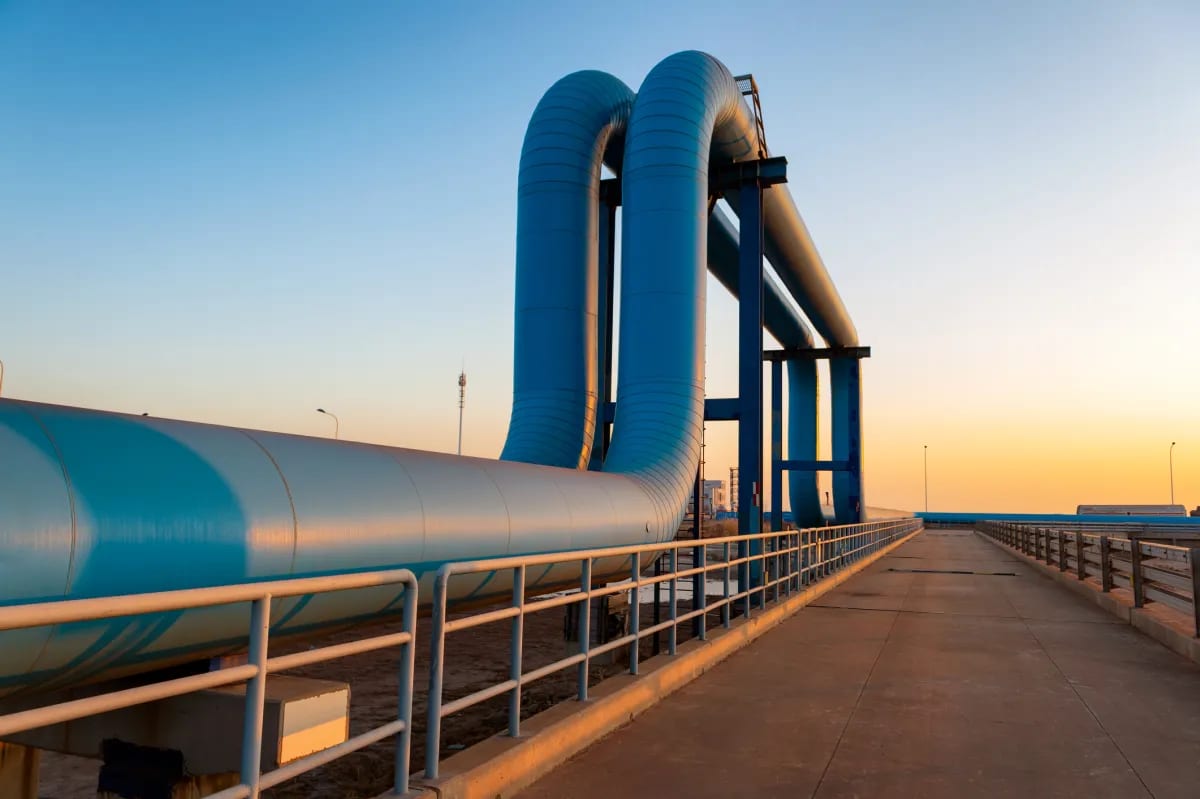
SoftBank faces a $3 billion loss after over-ordering natural gas turbines to secure energy for its AI data center projects. This aggressive procurement strategy highlights the intense pressure on tech firms to guarantee power infrastructure for AI growth.
SoftBank’s Strategic Gamble: The Cost of AI Energy Security
SoftBank’s recent realization of a $3 billion loss related to pre-ordering natural gas turbines marks a significant pivot point in the intersection of artificial intelligence and energy infrastructure. By committing to a $33 billion investment through its SB Energy subsidiary for a 9.2-gigawatt natural gas power plant, the conglomerate demonstrated the extreme lengths to which capital-heavy entities are willing to go to secure the power-hungry future of AI.
The Philosophy of 'Supersized' Procurement
SoftBank’s historical approach to market entry—characterized by massive, late-stage capital injections—was applied here to physical hardware. In an effort to bypass the severe supply chain bottlenecks plaguing the energy sector, SoftBank reportedly ordered 13 gigawatts worth of turbines, exceeding its actual requirements by nearly 50%. This strategy was not merely an oversight but a calculated maneuver to jump the queue in an environment where turbine manufacturing lead times have become the primary constraint for new data center deployment.
Market Dynamics and the Turbine Bottleneck
As Peter Gardett, CEO of Noreva, noted, SB Energy likely faced a binary choice: overbook to ensure future capacity or risk significant project delays. The scarcity of natural gas turbines in the global market is a direct result of the sudden, massive demand spike from hyperscalers and data center operators scrambling to support Large Language Model training and inference. SoftBank’s attempt to 'buy its way' out of this scarcity resulted in a massive financial hit, illustrating that even the deepest pockets cannot fully insulate a company from the volatility of hardware procurement.
Broader Implications for AI Infrastructure
This $3 billion loss serves as a cautionary tale for the technology sector. The rush to secure power for AI is creating a 'gold rush' mentality that distorts supply chains, potentially leading to asset stranding or inefficient capital allocation. While SoftBank’s move was intended to facilitate its massive $30 billion investment in OpenAI, the financial friction encountered here suggests that the infrastructure backbone for AI is far more expensive and logistically complex than even the largest institutional investors anticipated.
Future Trends: Balancing AI Growth and Capital Efficiency
Looking forward, this event is likely to force a reassessment of how tech firms approach energy procurement. We can expect to see a shift toward more collaborative partnerships between energy developers and tech firms, rather than aggressive, independent over-ordering. The market may move toward more flexible power purchase agreements (PPAs) that mitigate the risk of owning excess physical hardware, as investors become increasingly wary of the capital intensity required to keep the AI engine running.
Conclusion
In summary, SoftBank’s experience highlights the growing pains of the AI revolution. While the company’s intent to secure power was logically sound given the constraints of the current energy market, the execution resulted in a significant financial penalty. As the industry matures, the focus will likely shift from sheer volume and aggressive procurement toward more sustainable and capital-efficient methods of energy acquisition.