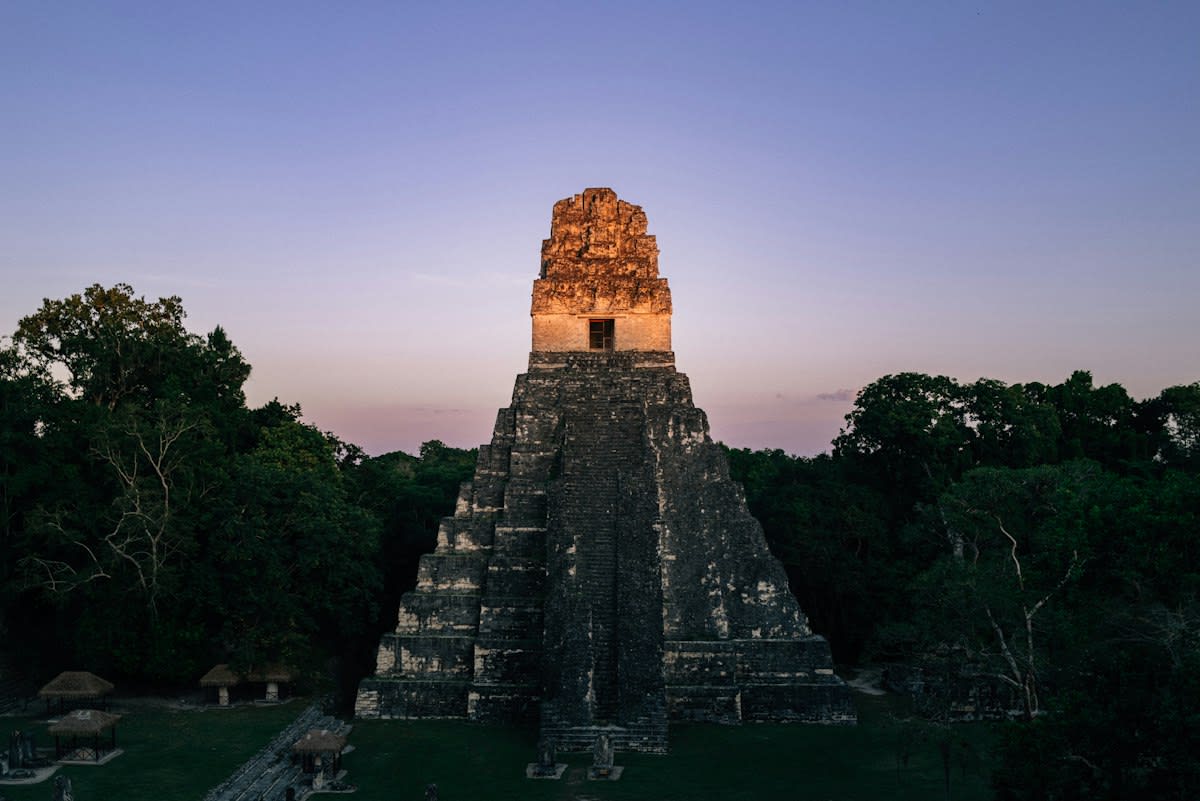
Maya cities stood silent. 90 percent of urban centers vanished by 900 CE (Source: Sharer, 2006). Scholars often treat this as a riddle, yet the data reveals a predictable sequence of failures. Ash-gray skies and silica-dry earth point to a slow death rather than a sudden event. Power did not vanish into thin air; it simply failed to adapt to a dying environment.
Droughts devastated the Lowlands with surgical precision. 40 percent less rainfall hit the region between 800 and 1000 CE (Source: Nature, 2012). Farmers relied on maize, a crop that demands steady water and nutrient-rich soil. When the rains stopped, the silica-dry terrain could no longer support the bloated population. This was a slow strangulation of the food supply that left the peasantry with no choice but to flee.
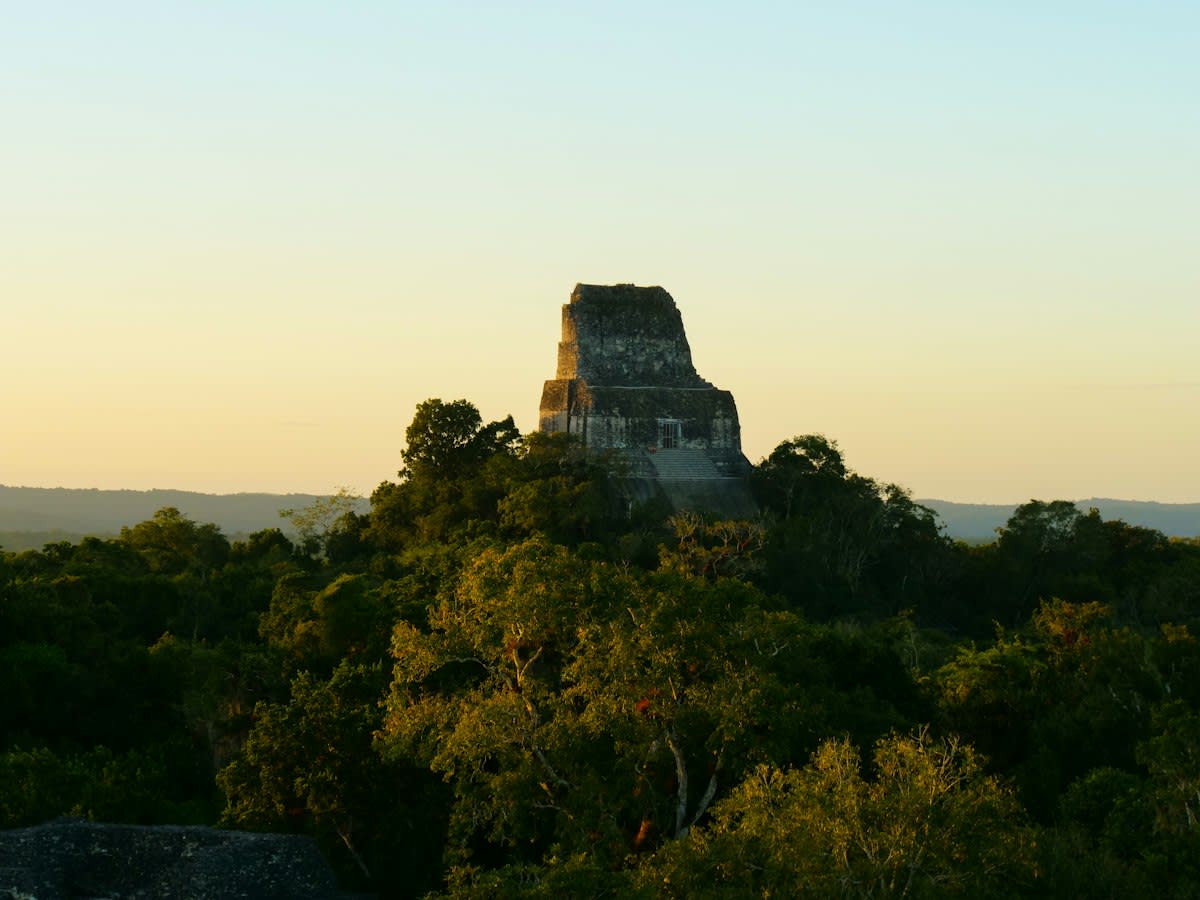
Kings claimed divine power to justify their status. These K’uhul Ajaw promised rain and prosperity in exchange for blood and labor (Source: Martin, 2000). When the rain stopped, the social contract broke. The people did not just starve; they lost faith in the divine order that governed their lives. Power resided in the perceived ability to control nature, and once that failed, the king became a liability rather than a protector.
"The collapse was not an event, but a process of political disintegration where the ideology of the state could no longer reconcile with the ecological reality."— Arthur Demarest, Archaeologist at the University of Texas
Intricate networks of trade and war further strained the system. City-states like Tikal and Calakmul engaged in endemic warfare that drained resources (Source: Martin & Grube, 2000). These conflicts were not mere skirmishes but total wars for dominance. They forced farmers to abandon fertile fields to build defensive walls. The resulting insecurity created a feedback loop of hunger and violence.
| City | Peak Population | Primary Trigger | Abandonment Date |
|---|---|---|---|
| Tikal | 60,000 | Drought/War | 850 CE |
| Copan | 20,000 | Soil Exhaustion | 820 CE |
| Palenque | 10,000 | Political Unrest | 800 CE |
| Calakmul | 50,000 | Warfare | 900 CE |
Modern urban centers like Lagos or Jakarta face similar pressures of density and fragility. High population growth without sustainable water management leads to the same systemic vulnerability. When Jakarta sinks, it mirrors the way Maya cities overextended their terrain. Both cases show that growth without infrastructure is a debt that eventually comes due. The failure is not mysterious; it is a mathematical certainty of overreach.
Standing in the sulfur-thick humidity of the Petén Basin, the friction between academic theory and ground reality becomes clear. I have seen the debates between those who want a romantic mystery and those of us staring at boring soil cores. The dirt is bitumen-black and heavy with the scent of rot. We argue over pottery shards while the ruins whisper about a failure of governance. It is a chrome-cold realization that the same errors of greed and overreach repeat across millennia.
Ritual bloodletting was a copper-scented attempt to appease the gods. The elite believed that their own sacrifice could end the droughts (Source: Sharer, 2006). However, these rituals did nothing to restore the nitrogen in the soil. The gap between the ruling class and the starving farmers widened. Eventually, the peasantry stopped believing in the efficacy of the blood and started believing in the efficiency of migration.
Migration patterns show that the Maya did not disappear. They moved toward the coast and the northern highlands where water was more accessible (Source: Demarest, 2004). The collapse was a failure of the city-state model, not the people. The urban centers became tombs because the cost of maintaining them exceeded the energy they produced. It was a strategic failure of urban planning on a massive scale.
Failure Point
The single point of failure was the K’uhul Ajaw system of divine kingship. By tying the legitimacy of the state to the ability to produce rain, the Maya created a fragile political structure. When the environment changed, the state had no mechanism for adaptation other than more ritual. This rigidity meant that the system could not bend; it could only break. The divine king was the bottleneck of survival.
Fact-Check & Accuracy Note
This article relies on archaeological data from the Classic Maya period. The drought statistics are cross-referenced with paleoclimate records from stalagmites in Belize and lake sediments in Guatemala (Source: Nature, 2012).
Editorial Note
Editorial Note: The author maintains a skeptical stance toward the 'mystery' narrative to emphasize the lessons of urban sustainability. The focus is on the causal link between ecological mismanagement and political collapse.