
The End of the Open Market
For decades, the global trade of raw materials operated on a simple, neoliberal logic: extract where it is cheapest, process where it is most efficient, and sell where the demand is highest. That era is dead. We are witnessing the birth of mineral diplomacy, a cold calculation where access to neodymium, lithium, and antimony is no longer a commercial transaction but a pillar of national security. This is not a localized skirmish over prices; it is a systemic rewrite of how states project power. The refinery has replaced the naval base as the primary unit of strategic leverage.
The United States is leading this retreat from globalism. By authorizing emergency powers to restrict the export of critical minerals, the Trump administration is signaling that the efficiency of the global market is secondary to the resilience of the domestic supply chain. This is reshoring in its most aggressive form. It is a move to decouple the American industrial base from volatile foreign dependencies, transforming the domestic landscape into a strategic reserve. The goal is not just to have the minerals, but to control the entire flow from the dirt to the finished component.
"We have defined a highly strategic, domestic antimony resource that has significant implications to the national security of the United States."— Bonifacio, Nevgold
Look at the appointment of Scott Bensing to Nevgold's board. A man with 25 years of experience in US federal and Nevada state government relations is not hired to manage a mine; he is hired to navigate the intersection of geology and geopolitics. The Limo Butte antimony-gold project in Nevada is no longer just a commercial venture. It is a piece of a larger puzzle aimed at ensuring that the US doesn't find itself paralyzed by a foreign export ban on minerals essential for defense and high-tech manufacturing.
The Diversification Gamble
While the US focuses on its own soil, Japan is playing a more expansive, outward-facing game. The Japanese approach is one of strategic diversification, seeking to dilute dependency by forging deep, capital-intensive ties in Africa. The Japan Organisation for Metals and Energy Security (Jogmec) isn't just investing; it is anchoring itself in the Kunene region of Namibia. This is a calculated hedge against the instability of a single-source supply chain.
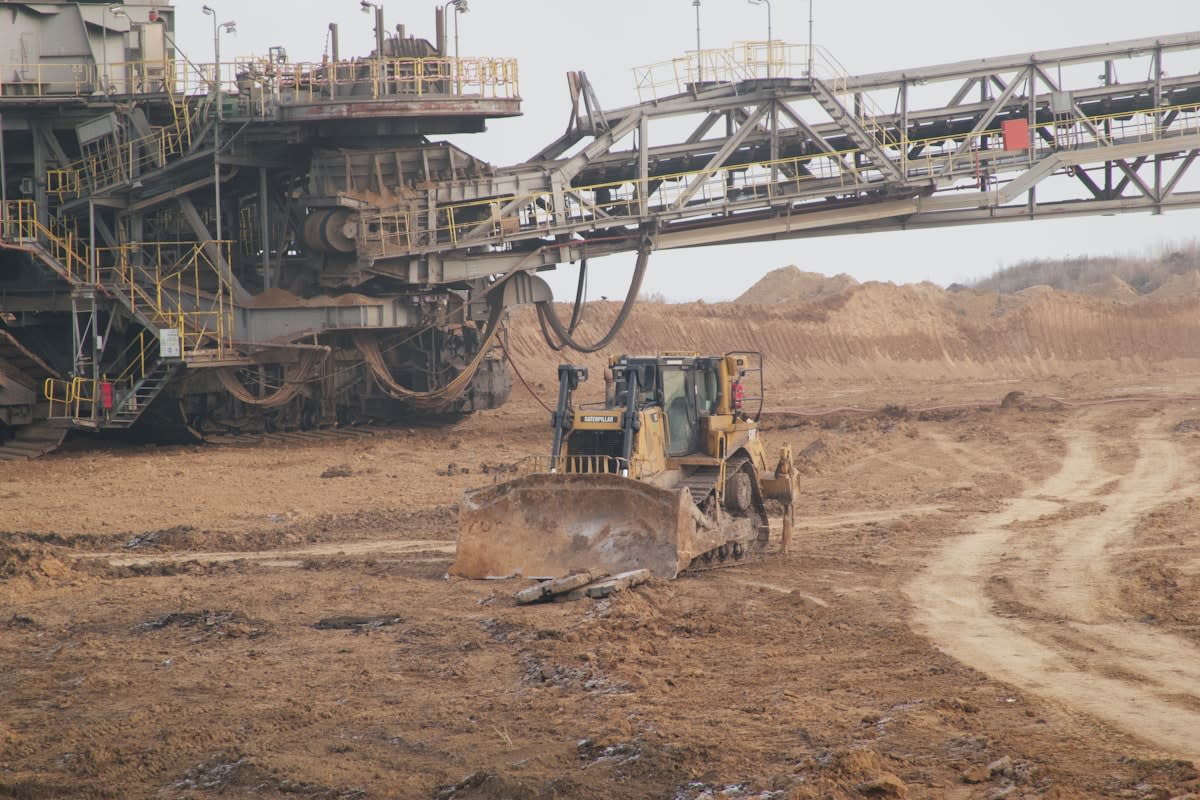
The Lofdal rare earth development project is the blueprint for this new diplomacy. With an investment of up to N$565 million (approximately C$47.6 million), Jogmec and the Canadian company Namibia Critical Minerals Inc (NCMI) are building a lifeline. The entry of the Toyota Group, through Toyota Tsusho and the establishment of the TJ Namibia Rare Earths Corporation, adds a layer of industrial integration. This isn't just about mining; it is about ensuring that the vehicles of tomorrow have a guaranteed path from a Namibian mine to a Japanese assembly line.
Does this signal a new era of colonialism? Hardly. The power dynamics are shifting because the resource-rich nations have realized that the raw ore is the least valuable part of the chain. The real power lies in the processing. This realization is turning traditional exporters into strategic gatekeepers.
The Rise of Mineral Nationalism
Zimbabwe is the prime example of this new agency. By banning the export of raw minerals and lithium concentrates in March, the Zimbabwean government stopped being a passive supplier. They are forcing a transition toward beneficiation—the process of adding value to minerals locally before they leave the country. This is a bold rejection of the extraction-only model that has historically drained wealth from the Global South.
The partnership with China's Zhejiang Huayou Cobalt is a masterstroke of opportunistic diplomacy. By building Zimbabwe's first lithium sulphate plant in Goromonzi, the Chinese firm gains a secure supply, while Zimbabwe gains the industrial capacity to export high-value processed chemicals. When the first export of locally produced lithium sulphate left the country in April, it wasn't just a commercial shipment; it was a declaration of industrial independence.
| Strategist | Primary Objective | Key Tactic | Example Action |
|---|---|---|---|
| United States | Domestic Resilience | Reshoring & Export Controls | Emergency powers for critical minerals |
| Japan | Supply Diversification | Strategic Overseas Investment | N$565 million investment in Namibia |
| Zimbabwe | Industrial Value Addition | Beneficiation Mandates | Ban on raw lithium concentrate exports |
| European Union | Circular Resource Recovery | Secondary Supply Mining | REE recovery from coal mining waste |
This trend toward mineral nationalism is not an isolated event. It is a global contagion. States are recognizing that in a world of energy transitions, the one who controls the processed material controls the pace of the transition. The race is no longer about who can dig the deepest hole, but who can build the most sophisticated refinery.
The Circular Hedge
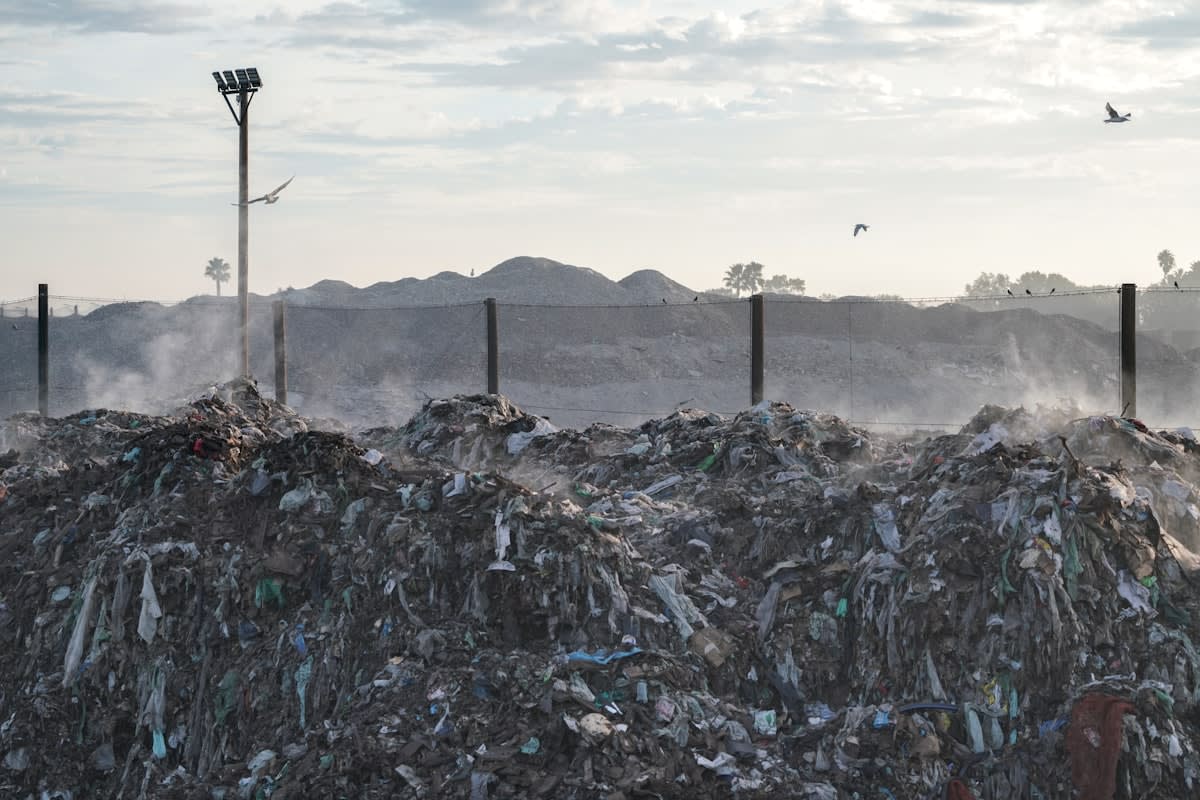
While some nations look to Africa or their own mountains, Europe is looking at its trash. A recent study published in Scientific Reports highlights a contrarian approach: treating coal mining waste as a secondary source of rare earth elements (REEs). By evaluating samples from three European mining regions, researchers are attempting to turn the liabilities of the fossil fuel era into the assets of the green era.
The technical barriers remain daunting. Recovering these elements from coal waste is not a simple plug-and-play operation; it requires complex chemical processes that are currently difficult to scale. However, the strategic motivation is clear. If Europe can unlock a viable secondary supply from its own industrial waste, it reduces its vulnerability to the geopolitical whims of distant superpowers.
This shift toward circularity is the ultimate form of resilience. It transforms the concept of a 'resource' from something found in the ground to something managed in a loop. It is a hedge against the volatility of mineral diplomacy, ensuring that once a material enters a region's economy, it never truly leaves.
Quantifying the Geopolitical Risk
The volatility of this new landscape is already being priced into the global economy. We are seeing a surge in the demand for specialized insurance to protect against the very bottlenecks these diplomatic shifts create. According to data from GlobalData, supply chain insurance has become a must-have cover, with 41.1% of organizations identifying it as the most sought-after product amid current geopolitical tensions.
Cyber insurance follows closely at 20.6%, reflecting the fear that the battle for minerals will be fought not just in the mines, but in the servers that control the logistics. The risk is no longer just a delayed shipment; it is a systemic collapse of the supply line due to trade bottlenecks in the Suez Canal or the Strait of Hormuz, leading to widespread rerouting and increased costs.
The Insurance Paradox
There is a striking paradox in the current market: while demand for supply chain insurance is skyrocketing, insurance capacity is actually shrinking. Many insurers are pulling products from the market because the geopolitical risks have become unquantifiable.
This lack of insurability is the clearest indicator that we have entered a new era. When the risks of global trade become unquantifiable, the logic of the open market fails. We are moving toward a world of 'trusted corridors' and bilateral agreements, where the stability of a supply chain is guaranteed by a treaty rather than a contract.
The new global power map is not being drawn with borders, but with catalysts and refineries. The nations that will thrive are those that can integrate the entire value chain—from the Namibian soil to the Zimbabwean plant to the Nevada mine. The race for rare earths is not a crisis to be solved, but a restructuring to be navigated. Resilience is the only currency that matters.