Tata group dispute: Panel sought 5-year term for Chandrasekaran early September
Source Entity
REEBA ZACHARIAH
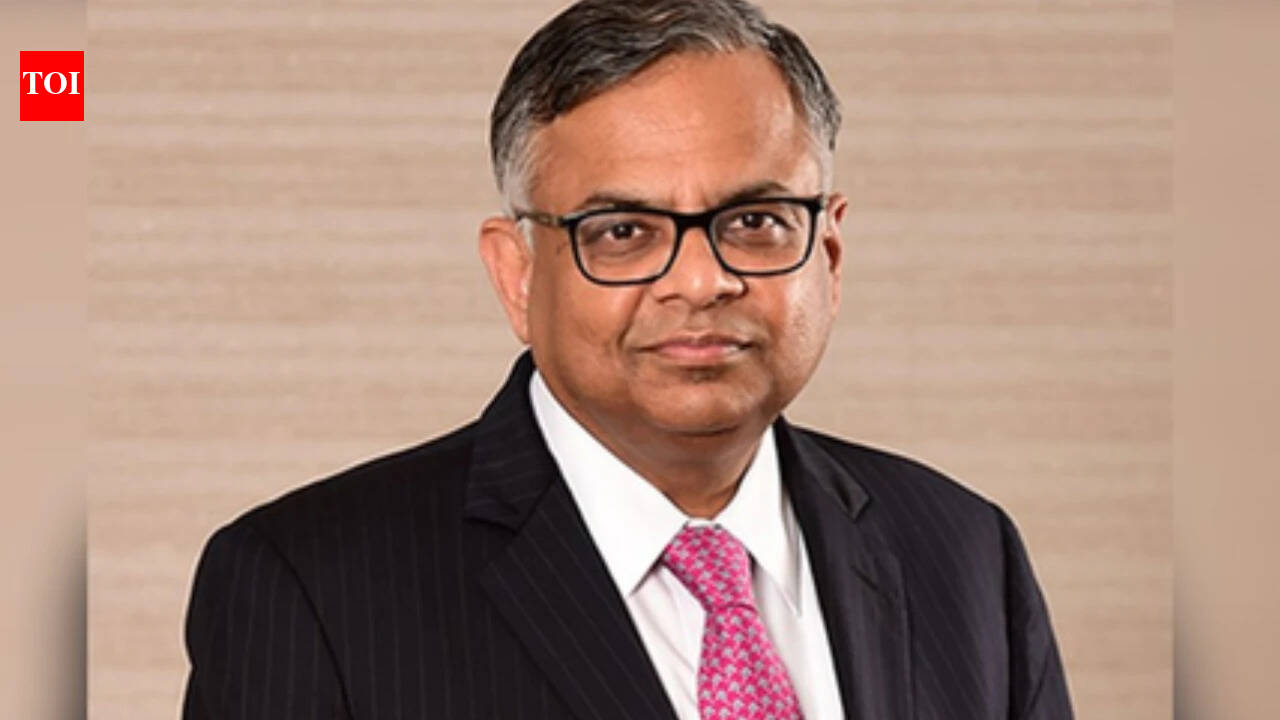
The RBI has rejected Tata Sons' request to surrender its NBFC registration, mandating a public listing. Shapoor Mistry of the SP Group supports this decision, emphasizing transparency and accountability for the conglomerate.
The Regulatory Landscape: RBI and Tata Sons
The Reserve Bank of India (RBI) has issued a significant directive concerning Tata Sons, the principal holding company of the Tata Group, by rejecting its application to surrender its registration as an Upper-Layer Non-Banking Finance Company (NBFC). Under the RBI’s Scale-Based Regulatory Framework, entities classified as 'Upper-Layer' are subject to stringent oversight due to their size and systemic importance. By denying the request to deregister, the central bank has effectively mandated that Tata Sons must proceed with a public listing on the stock exchanges to remain compliant with these regulatory requirements.
The Stance of the Shapoorji Pallonji Group
Shapoor Mistry, Chairman of the Shapoorji Pallonji (SP) Group, which maintains a substantial 18.37% stake in Tata Sons, has publicly endorsed the RBI’s decision. Mistry characterizes the development as a 'pivotal moment' that reinforces essential corporate governance principles, including transparency, accountability, and fairness. By welcoming the regulatory intervention, Mistry has signaled a departure from previous adversarial postures, instead framing the mandate as a necessary step for an institution of national importance.
Implications for Corporate Governance
This decision carries profound implications for the governance structure of the Tata Group. As an unlisted holding company, Tata Sons has historically operated with a degree of insulation from public market scrutiny. A mandated listing would subject the entity to the rigorous disclosure standards required by the Securities and Exchange Board of India (SEBI), effectively institutionalizing higher levels of transparency. Mistry’s statement explicitly suggests that this regulatory architecture is a tool for responsible institution-building rather than a mere tactical victory in a shareholder dispute.
Contextualizing the Power Dynamics
It is crucial to note that this regulatory shift occurs against a backdrop of long-standing tensions between the Tata Group and the SP Group. Despite these historical frictions, Mistry’s public call to view the RBI decision as a non-partisan event—rather than a win for one stakeholder over another—suggests a strategic pivot toward constructive cooperation. This tone indicates a potential shift in how minority stakeholders may seek to influence the holding company’s future through regulatory channels rather than direct confrontation.
Strategic Alignment and Future Outlook
Furthermore, reports regarding the internal timeline of Tata Sons—specifically the move to extend the tenure of N. Chandrasekaran—reveal that management was actively planning its internal governance structure prior to the RBI's September 11 directive. This interplay between corporate leadership continuity and external regulatory pressure suggests that Tata Sons is navigating a complex transition period. Moving forward, the market will be closely watching how Tata Sons manages the transition to a public entity, as this will likely serve as a benchmark for how other large, complex holding companies manage regulatory compliance and stakeholder relations in the Indian corporate landscape.