Morning Bid: A timely hike
Source Entity
Yahoo Finance
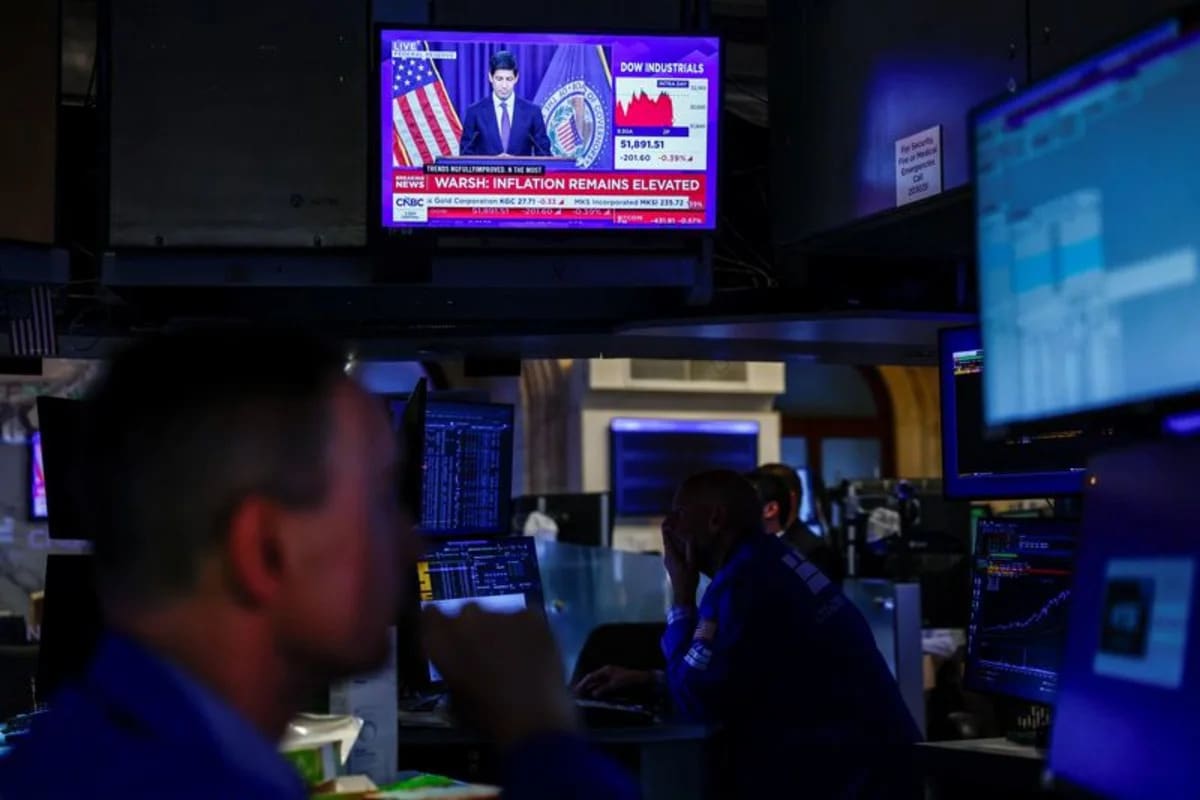
The Federal Reserve has implemented a 25 basis point interest rate hike, raising the target range to 3.75%-4.00% to combat persistent inflation. While the dollar saw modest gains supported by strong retail sales data, market volatility persists amid mixed indicators like housing market declines and oil price drops.
The Federal Reserve's Strategic Pivot: Analyzing the Latest Rate Hike
The Federal Reserve has officially moved to increase the benchmark interest rate by 25 basis points, bringing the federal funds target range to 3.75%-4.00%. This decision, marked by a unanimous vote under the guidance of Fed Chair Kevin Warsh, represents the first such hike in three years. The primary driver for this monetary tightening is the persistent challenge of inflation, which remains stubbornly above the central bank's stated 2% target. By signaling further tightening, the Fed is attempting to anchor long-term expectations and demonstrate a commitment to price stability.
Economic Indicators and Market Reaction
The dollar index (DXY00) responded positively to the announcement, climbing to a two-week high with a +0.09% gain. This upward momentum was heavily bolstered by robust August retail sales data, which rose by 1.2% month-over-month—significantly outpacing the 0.8% expectation. The strength in retail spending, particularly when excluding auto sales, suggests that the underlying consumer economy remains resilient despite the tightening financial conditions. This resilience provides the Fed with the necessary economic runway to pursue aggressive interest rate policies without immediately triggering a recessionary collapse.
Conflicting Signals in the Housing and Energy Sectors
However, the broader economic picture remains nuanced. While retail spending is strong, the housing sector is showing signs of cooling, as evidenced by a larger-than-expected decline in the September NAHB housing market index and a 4.1% drop in MBA mortgage applications for the week ending September 11. These figures indicate that the cost of borrowing is beginning to weigh heavily on real estate demand. Furthermore, the 2% decline in WTI crude oil prices acts as a natural dampener on inflation expectations, creating a complex environment where the Fed must balance cooling growth against the necessity of curbing price increases.
The Role of the Dot Plot and Monetary Policy
Central to the market’s reaction is the "dot plot," where 16 of 18 policymakers signaled expectations for further rate increases. This hawkish stance, combined with the unanimous decision-making process, suggests that the Federal Reserve is currently operating with a high degree of internal consensus. Investors are now closely parsing the signals from Fed Chair Warsh, whose leadership is being scrutinized for his ability to navigate this transition. The movement in Treasury yields—where short-dated yields are rising while long-dated yields nudge lower—reflects a market that is cautiously optimistic about the Fed's ultimate success in returning to a 2% inflation target.
Future Trends and Concluding Summary
Looking ahead, the primary trend to watch will be the interplay between aggressive monetary policy and the resilience of the consumer. If retail sales continue to outperform, the Fed may find itself with more room to hike rates; however, if the housing market continues to deteriorate and energy prices remain suppressed, the central bank may face pressure to moderate its approach. In summary, while the current environment is defined by the necessity of a 25 basis point hike, the path toward a 2% inflation target remains fraught with volatility, necessitating a delicate balance between fiscal restraint and economic support.