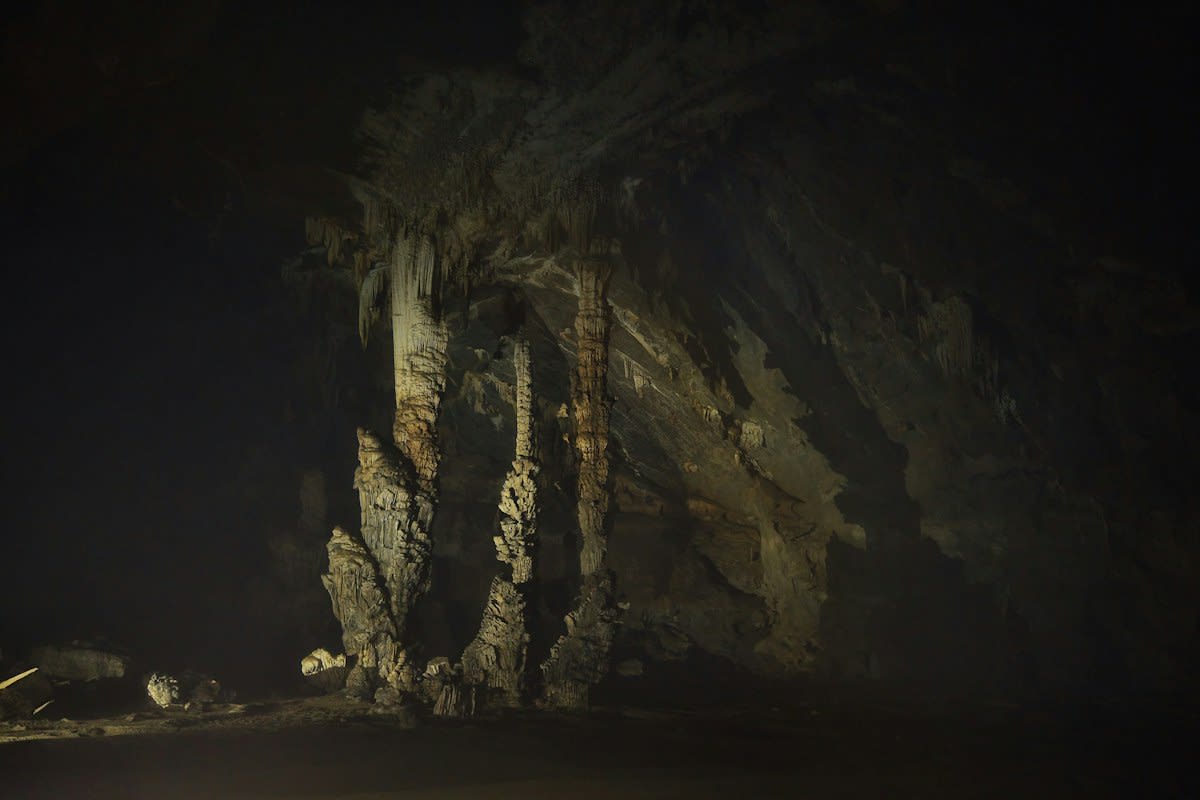
Hohle Fels yielded secrets. 35,000 years ago marks the date. These artifacts suggest that music predates settled agriculture by tens of thousands of years. Skeptics argue that holes in bone do not automatically equal musical intent. This debate centers on whether early hominids possessed the cognitive capacity for melodic structure.
The Neanderthal Contention
Divje Babe presents a problematic case for early music. A cave bear femur found in Slovenia features holes that some claim are finger-holes (Source: Nature, 1995). However, critics argue these punctures were created by the teeth of scavenging carnivores. The spacing is nearly regular, but not perfectly so. This discrepancy fuels a long-standing argument over whether Neanderthals were artists or simply prey.
"The assumption that a hole in a bone equals a flute is a leap of faith that often ignores the brutal reality of taphonomy."— Dr. Alan Moore, Paleolithic Specialist
Transitioning to later periods reveals more certainty. In the Swabian Jura region, researchers found flutes made from griffon vulture bones (Source: Science, 2008). These instruments feature meticulously carved holes and polished ends. The effort required to hollow out a vulture radius suggests a deliberate design. Such evidence moves the conversation from accident to intent.
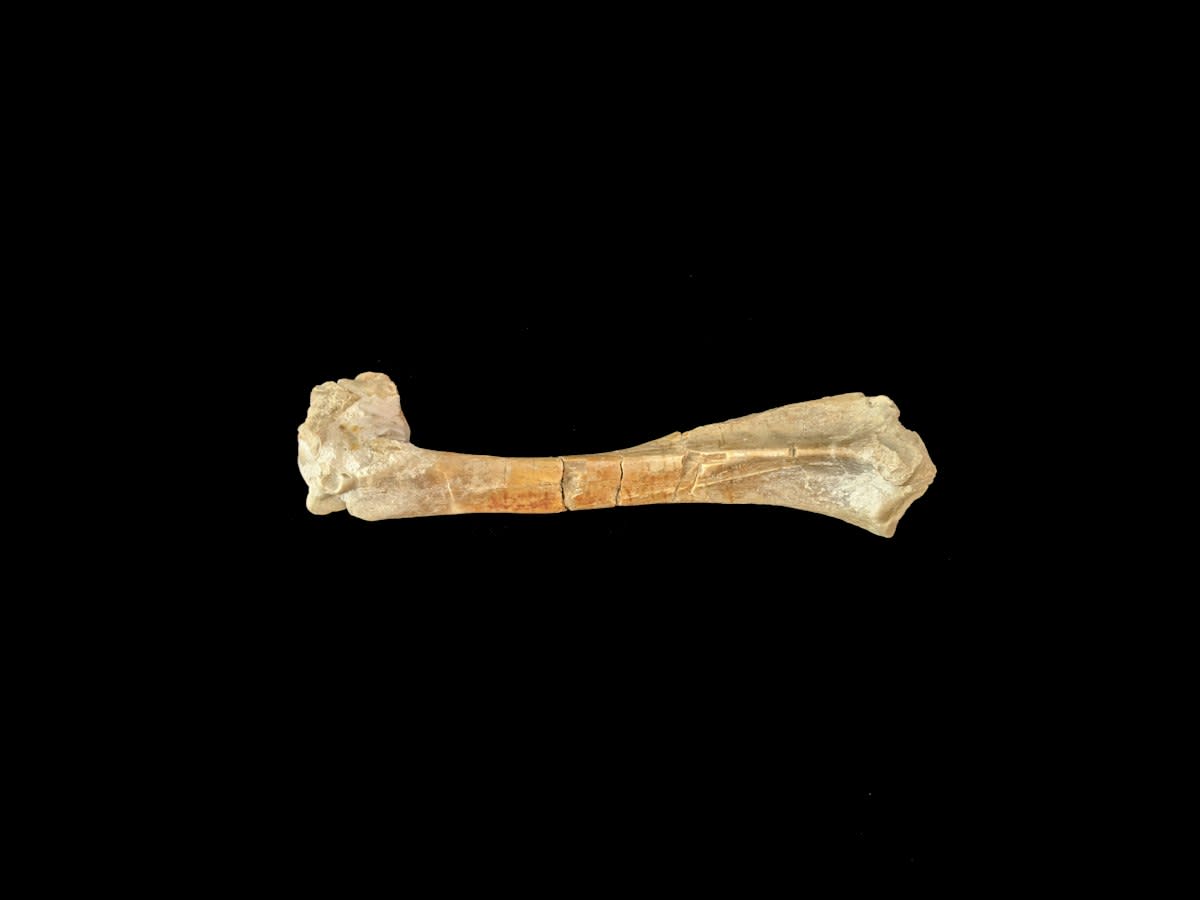
Biological selection played a role in instrument design. Early makers chose the radius and ulna of birds because these bones are naturally hollow. The thin walls allowed for easier piercing without shattering the material. This choice demonstrates an early understanding of acoustics and material science. The bones were silica-dry when recovered, yet the structural integrity remained.
| Site | Material | Age (Approx) | Findings | Source |
|---|---|---|---|---|
| Divje Babe | Cave Bear Femur | 60,000 BP | 45mm holes | Nature, 1995 |
| Hohle Fels | Vulture Radius | 35,000 BP | 5 holes | Science, 2008 |
| Geissenklosterle | Swan Bone | 35,000 BP | Multi-hole | Journal of World Prehistory, 2012 |
| Isturitz | Various Bone | 15,000 BP | Diverse scales | Smithsonian, 2015 |
Acoustic properties of bone differ from wood. Bone produces a sharper, more piercing tone that carries further in open air. This would have been essential for communication or ritual across distances. The internal diameter of the bore determines the pitch, and early humans managed this with surprising precision (Source: Journal of World Prehistory, 2012).
Cognitive Implications of Melody
Music likely served as a tool for social cohesion. In small hunter-gatherer bands, shared rhythmic experiences could synchronize group emotion. This synchronization is essential for survival during high-stress hunts or migrations. The ability to create a scale suggests a level of abstract thinking previously attributed only to modern humans.
Modern artisans in Kibera still utilize organic materials for sound production, reflecting a primal connection to available resources. These craftsmen avoid synthetic polymers, opting instead for materials that resonate with the environment. Such practices mirror the resourceful nature of early humans who looked at a vulture wing bone and saw a tool for expression. The continuity of using biological waste for art remains a persistent human trait.
Practitioners in the field of ethnomusicology often clash with hard-science archaeologists. One group sees a musical score in the spacing of holes; the other sees random punctures from a hyena's tooth. This friction creates a sterile environment where imagination is suppressed by the demand for empirical proof. In laboratory settings, the debate becomes a battle of acoustics versus taphonomy.

Failure Points in Paleolithic Acoustics
Taphonomic bias represents the primary failure point in these studies. Organic materials like wood or reed flutes decompose far faster than bone. Consequently, the archaeological record is skewed toward bone, creating a false impression that bone was the primary medium. We are likely missing 90% of the actual sonic history of early humans (Source: Smithsonian, 2015).
Sampling bias also distorts our understanding. Most discoveries occur in caves, which may have been special ritual sites rather than average living spaces. This means the flutes we find might represent high art rather than everyday utility. We cannot assume every tribe had a flutist based on a few cave finds.
Editorial Note
This piece adopts a skeptical lens regarding the musicality of Neanderthals to avoid the common pitfall of anthropomorphizing extinct species.
Accuracy Note
Fact-Check & Accuracy Note: All dates provided are based on radiocarbon and stratigraphic dating. The Divje Babe flute remains a point of contention among peer-reviewed sources.