Bank Of Baroda Appraiser Arrested In Rs 1.45-Crore Gold Loan Fraud In Andhra
Source Entity
NDTV News Search Records Found 1000
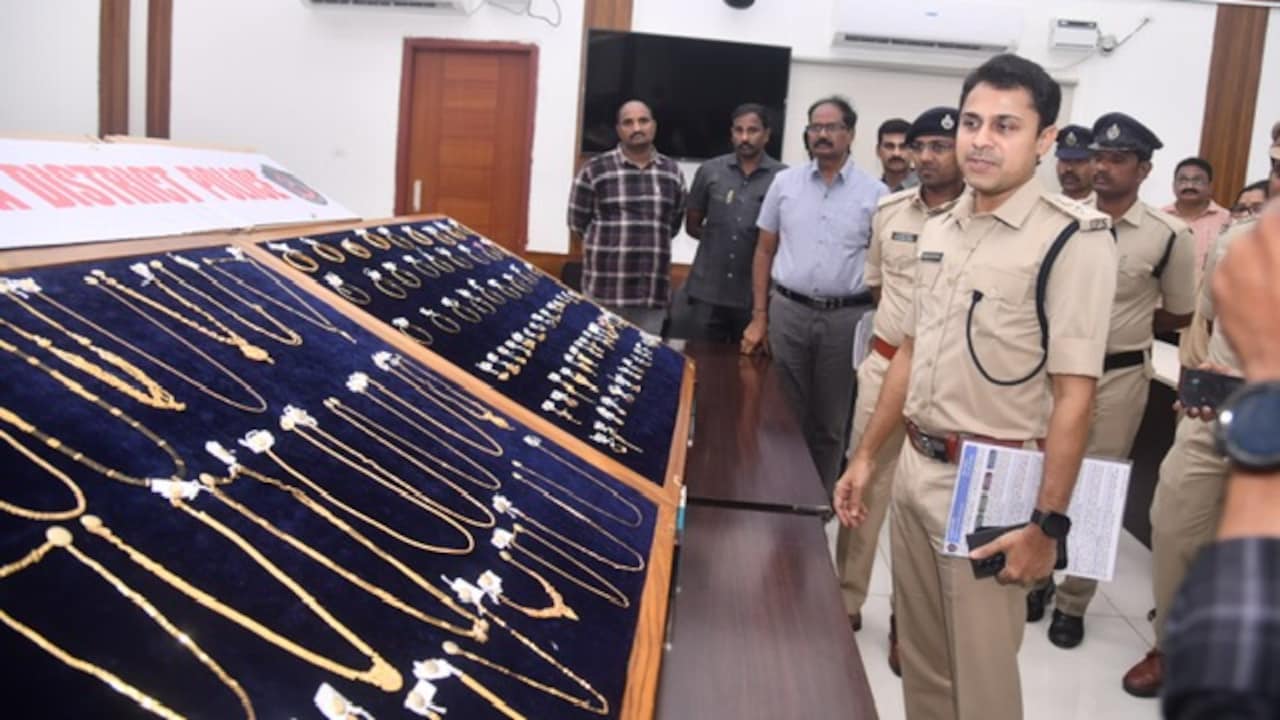
A Bank of Baroda gold appraiser has been arrested in Andhra Pradesh for orchestrating a Rs 1.45-crore loan fraud. The suspect allegedly misappropriated gold ornaments pledged as collateral across 44 separate loan accounts.
The Breach of Trust: Bank of Baroda Gold Loan Fraud
Recent reports from Andhra Pradesh have brought to light a significant financial crime involving a gold appraiser at the Bank of Baroda. The individual, entrusted with the critical role of verifying the quality and weight of pledged assets, has been arrested for allegedly orchestrating a fraud amounting to Rs 1.45 crore. This incident underscores the inherent risks banks face when relying on third-party or internal appraisers to validate high-value collateral in a country where gold loans are a primary source of liquidity for millions of households.
The Mechanics of the Fraud
The modus operandi involved the manipulation of 44 individual gold loan accounts. Gold loans are designed to be low-risk for banks because they are secured by physical assets. However, this security is entirely dependent on the integrity of the appraisal process. By misusing the gold ornaments pledged by customers—likely through substitution, undervaluation, or outright theft—the accused was able to bypass the bank’s internal controls. This level of access suggests a failure in the dual-custody or verification protocols that are intended to prevent single-point-of-failure scenarios in bank branches.
Implications for Banking Security
This Rs 1.45-crore fraud serves as a stark reminder of the vulnerability of gold-backed lending portfolios. For banks, gold loans are a major revenue driver, but they require robust audit trails. When an appraiser—the very person responsible for maintaining the 'gold standard' of the collateral—is the perpetrator, it erodes customer trust and invites regulatory scrutiny. The bank must now undertake a comprehensive audit of all gold assets held in the affected branch to determine the extent of the damage and ensure that no other accounts have been compromised.
Regulatory and Historical Context
Historically, the gold loan sector in India has been prone to such risks, prompting the Reserve Bank of India (RBI) to issue stringent guidelines regarding the appraisal and storage of gold. Despite these safeguards, the human element—the appraiser—remains the weakest link. The arrest of the accused is a necessary step in the legal process, but it also highlights the need for technological interventions, such as digital tracking of gold assets and real-time surveillance, to augment human appraisal systems.
Future Trends in Asset Verification
Looking forward, we can expect banks to adopt more rigorous background verification and periodic rotation of staff in sensitive positions like gold appraisal. The industry is likely to move toward automated valuation tools that reduce the reliance on individual judgment, thereby minimizing the possibility of collusion. As financial institutions integrate more sophisticated fraud detection software, the ability of an internal actor to manipulate 44 accounts undetected will hopefully become a relic of the past.
Conclusion
The Bank of Baroda fraud in Andhra Pradesh is a cautionary tale for the banking sector. While the arrest of the appraiser provides a sense of accountability, the broader lesson remains the necessity of constant vigilance. Protecting the integrity of collateral is not just a matter of bank policy but a cornerstone of financial stability. As the investigation progresses, the bank will need to implement tighter security measures to restore confidence among its depositors and borrowers.
Verification Required?