Open To More Steps To Defend Rupee, Curb Forex Speculation: RBI Governor
Source Entity
NDTV News Search Records Found 1000
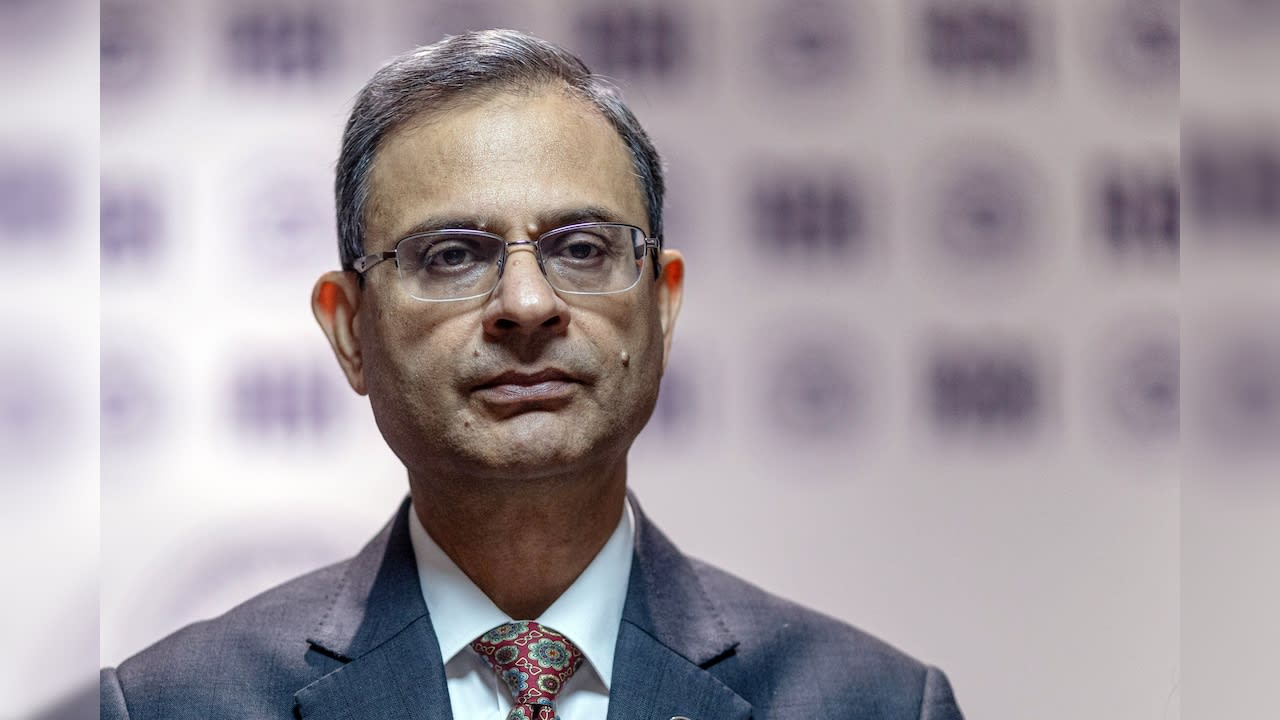
RBI Governor Sanjay Malhotra has indicated that the central bank is prepared to implement further measures to stabilize the rupee. These steps aim to mitigate volatility and curb speculative activities in the foreign exchange market.
RBI Signals Proactive Stance on Rupee Stability
RBI Governor Sanjay Malhotra has recently signaled that the central bank remains open to implementing additional measures to defend the Indian rupee. This strategic posture underscores the Reserve Bank of India’s (RBI) commitment to maintaining macroeconomic stability amidst a challenging global economic environment. As currency markets face persistent pressures, the Governor's remarks serve as a clear directive to market participants that the central bank will not remain a passive observer in the face of excessive volatility.
The Mechanics of Currency Defense
At the core of these potential actions is the RBI’s mandate to manage exchange rate volatility without necessarily targeting a specific price point. By signaling 'more steps,' the Governor is likely referring to a combination of direct foreign exchange interventions and liquidity management tools. Historically, the RBI has utilized its substantial foreign exchange reserves to supply dollars during periods of intense depreciation, thereby smoothing out sharp fluctuations that could otherwise destabilize domestic inflation and trade balances.
Curbing Speculative Pressures
Beyond direct intervention, the focus on 'curbing forex speculation' highlights a critical aspect of modern monetary policy. Speculative trading can often decouple the rupee’s value from its fundamental economic indicators, creating artificial volatility. By tightening regulatory oversight or adjusting open position limits for market participants, the RBI aims to discourage short-term speculative bets that threaten the structural integrity of the Indian currency market.
Broader Economic Implications
A stable rupee is vital for India’s economic health, particularly given the nation's reliance on imported energy and raw materials. When the rupee depreciates rapidly, the cost of these imports rises, contributing to imported inflation and widening the current account deficit. Therefore, Governor Malhotra’s proactive communication is intended to anchor market expectations, providing a sense of security to foreign investors who might otherwise be deterred by erratic currency swings.
Future Trends and Policy Outlook
Looking ahead, the RBI’s policy trajectory will likely remain data-dependent, balancing the need for growth with the imperative of financial stability. As global central banks navigate the complexities of interest rate adjustments and geopolitical uncertainties, the Indian economy must remain resilient. The willingness to act firmly against speculative forces suggests that the RBI will continue to prioritize a stable exchange rate as a foundational element of its broader monetary framework, ensuring that India remains an attractive destination for long-term capital flows.
Verification Required?