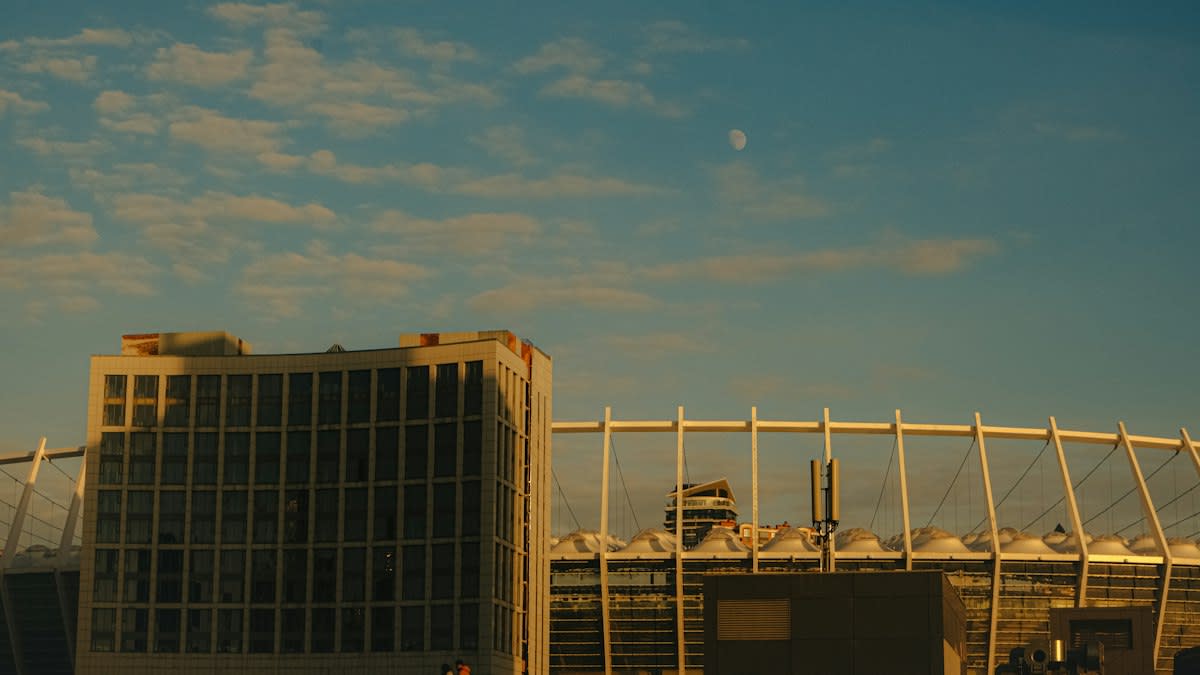
Power carves the city. The technical discipline of urban planning serves as a retrospective container, translating decisions matured within economic dynamics and political power balances into the bureaucratic language of zoning codes (Source: Common Edge, 2026). In the 1st Arrondissement of Paris or the neon-soaked corridors of Shinjuku, the draftsman's pencil never precedes the balance of real-world power. It merely follows, wrapping the imperatives of capital and institutional forces in a layer of legal legitimacy (Source: Common Edge, 2026).
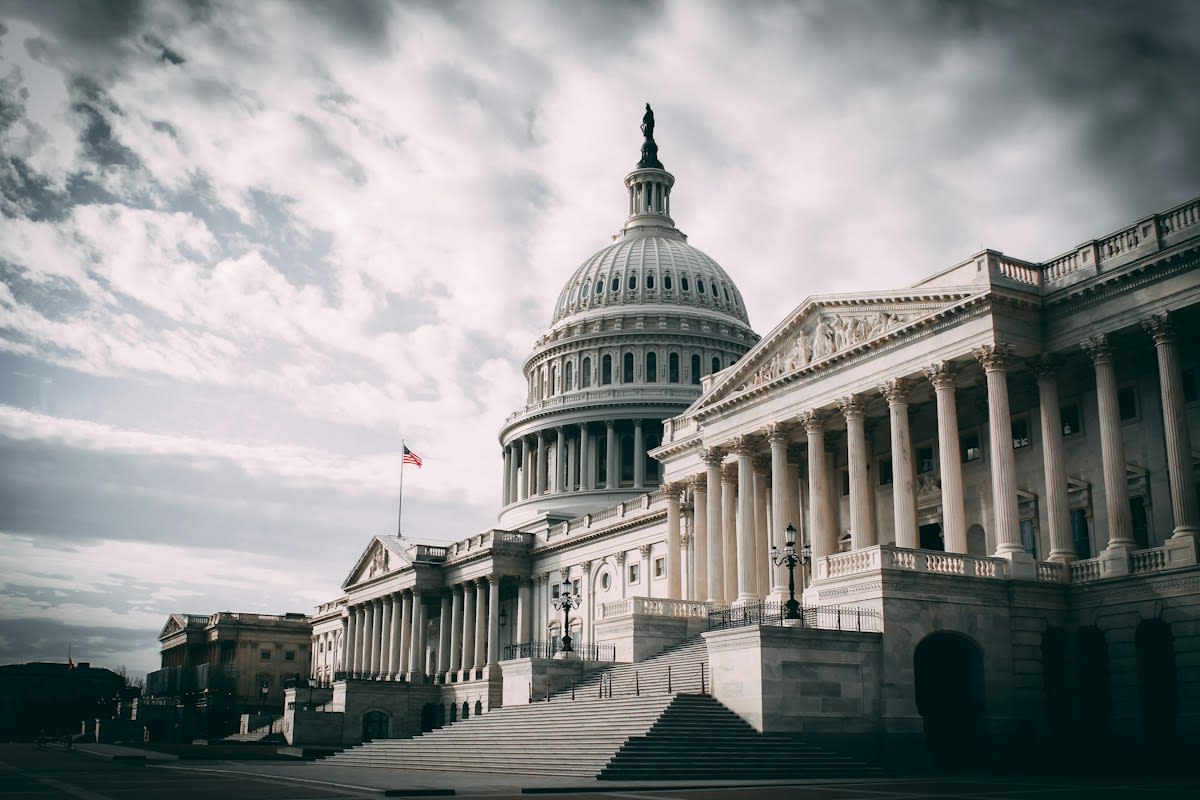
Money dictates the masonry. The Federal Reserve's headquarters renovation in Washington surged to a $2.4 billion cost, driven by a failure to secure comprehensive estimates or a maximum cost ceiling at the project's inception (Source: AP News, 2026). This is not a failure of architecture, but a failure of oversight where the physical monument was allowed to expand without a financial anchor. The result is a structure of oxidized copper and marble that now serves as a lightning rod for political warfare.
The Social Space Pivot
Seats vanish for social zones. The Baltimore Orioles are removing approximately 2,000 seats from the left-field upper deck at Camden Yards to install a new social space ahead of the 2027 season (Source: MLB.com, 2026). This shift represents a calculated pivot from mass spectatorship to high-value, year-round business and community use. The cracked asphalt of the parking lots and the smell of scorched polymer from concession stands are being reimagined to serve a different socioeconomic group.
"By strategically reimagining existing spaces at Oriole Park at Camden Yards we are creating new game-day experiences while expanding opportunities for year-round business and community use."— Lindsey Parker, Executive Director, Maryland Stadium Authority
This is the Delta of 2026. Twelve months ago, stadium renovations focused on capacity and athlete performance; today, the trend has shifted toward the monetization of social proximity. The removal of 2,000 seats is a data point in a larger trend where the territory is reshaped to accommodate the networking needs of the elite rather than the viewing needs of the masses (Source: MLB.com, 2026).
Planning is a legal mask. Technical discipline arrives only after the fact, wrapping choices made by institutional forces in bureaucratic legitimacy to satisfy the underlying economic dynamics (Source: Common Edge, 2026). Whether it is a stadium in Baltimore or a central bank in DC, the formal land-use designations are merely the final step in a process dictated by political alliances.
The Friction of the Blueprint
Politics stains the marble. Former Federal Reserve Chair Jerome Powell faced allegations of perjury during Senate testimony regarding the renovation, leading President Donald Trump to demand his resignation based on the record-setting budget overruns (Source: Bloomberg, 2026). The renovation became a proxy for a larger conflict between the executive branch and the central bank, proving that a building project can be weaponized if the costs are left open-ended (Source: AP News, 2026).
From a practitioner's perspective, this is where the friction lives. In the windowless rooms with fluorescent flicker and greasy keyboards, the debate is never about the aesthetic of the facade. It is about who absorbs the impact of inflation and which political ally gets the contract. The tension arises when the retrospective container of the 'plan' fails to hide the raw exercise of power, leading to 120-page inspector general reports and public demands for resignation (Source: AP News, 2026).
| Project | Location | Primary Driver | Outcome/Status |
|---|---|---|---|
| Fed HQ Renovation | Washington DC | Institutional Power | $2.4B Cost / Mismanaged |
| Camden Yards LF Deck | Baltimore | Capital/Social Space | -2,000 Seats / 2027 Launch |
The collapse of the total plan is inevitable in pluralistic societies. Wherever the 'master plan' encounters a variety of competing interests, it dissolves into a series of pragmatic, piecemeal bargains (Source: Common Edge, 2026). The Fed's failure to nail down a maximum overall cost was not a technical error, but a symptom of this piecemeal approach to power (Source: AP News, 2026).

Failure Point: The Cost Vacuum
The Fed project provides a clinical example of the failure point. By failing to secure a comprehensive cost estimate at the beginning, the Board of Governors removed the only mechanism that could have forced the building contractor to absorb the impact of inflation (Source: AP News, 2026). This vacuum allowed the project to balloon to $2.4 billion, turning a renovation into a liability.
- Lack of initial comprehensive cost estimates (Source: AP News, 2026)
- Absence of a maximum overall cost ceiling (Source: AP News, 2026)
- Exposure to unchecked inflation impacts (Source: AP News, 2026)
- Political weaponization of budget overruns (Source: Bloomberg, 2026)
In Baltimore, the failure point is shifted toward the fan experience. The removal of 2,000 seats is a gamble that 'social space' and 'year-round business' will outweigh the loss of traditional capacity (Source: MLB.com, 2026). This is the modern urban trade-off: removing the many to accommodate the high-yield few.
Editorial Note
The data confirms that urban planning is not an autonomous science. It is the physical residue of economic and political decisions. When the Fed's building cost $2.4 billion, it wasn't a planning error; it was a power dynamic error (Source: Common Edge, 2026; AP News, 2026).
Fact-Check & Accuracy Note
All data points regarding the Federal Reserve renovation ($2.4B cost) and Camden Yards (2,000 seat removal) are sourced from AP News, Bloomberg, and MLB.com reports dated September 2026. Theoretical frameworks on urban planning are attributed to Common Edge (2026).