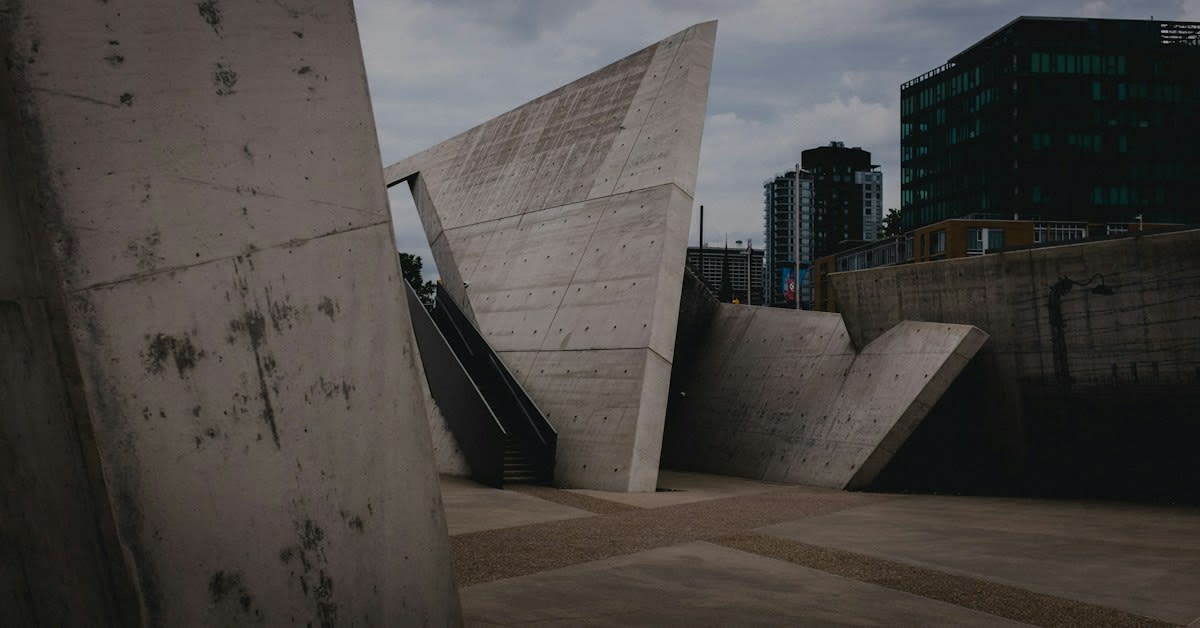
The Luxury of Less
Minimalism is a luxury good. While the aesthetics of empty white rooms and single-bowl kitchens suggest a spiritual liberation from material greed, the ability to choose poverty is a privilege reserved exclusively for those with a financial safety net. The poor do not choose this. Does a person living in a Mumbai chawl practice minimalism when they own only one pot? No, they endure the weight of a default existence where scarcity is a mechanical failure of the state, not a curated choice of the soul. We are witnessing a hard turn in how the global north consumes the imagery of the global south.
Scarcity is now chic. Twelve months ago, the trend focused on sustainability and the ecological footprint of consumerism, but the current delta shows a move toward curated scarcity as a marker of high status. It is a silent flex. By removing the visible clutter of middle-class aspiration, the ultra-wealthy signal that they possess enough capital to replace any single item instantly should they desire it. This shift transforms the absence of things into a loud declaration of power.
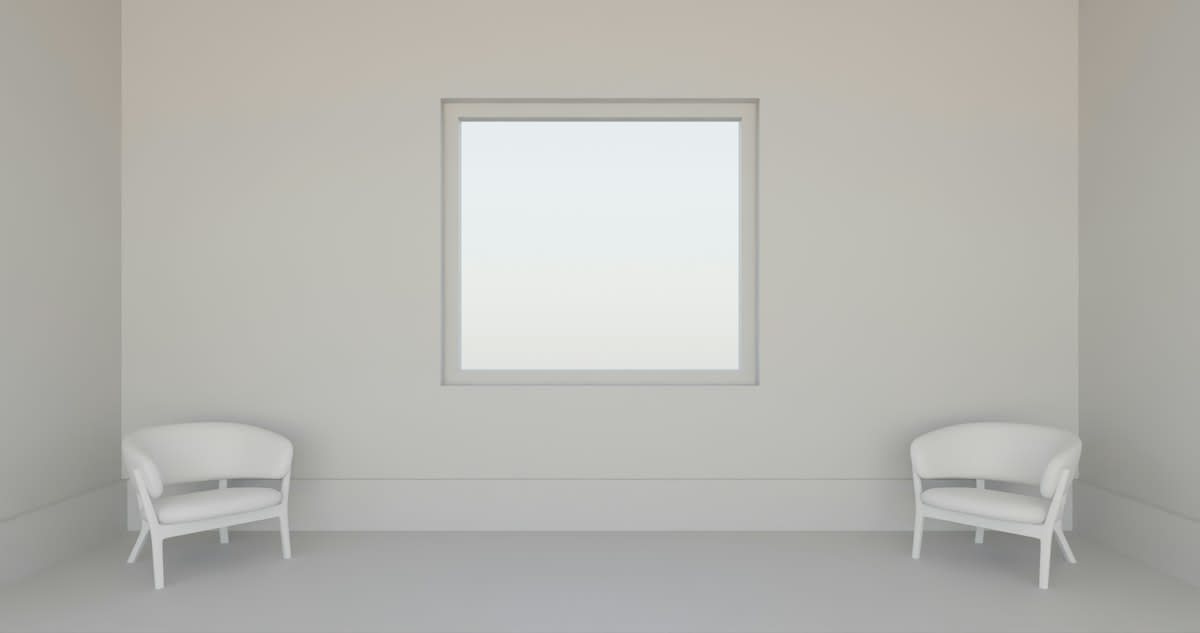
The Geography of Empty Space
Japan leads this fray. The Danshari movement, which emphasizes refusing, disposing, and separating, has migrated from a spiritual practice to a global marketing engine for high-end home goods. It sells emptiness. When a Tokyo executive clears their apartment to find Zen, they do so knowing their bank account saturates any risk of future lack. Contrast this with the rural poor in the Andean highlands who possess few belongings not for mindfulness, but because the terrain of their economy forbids accumulation. One is a performance; the other is a survival strategy.
"The rebranding of poverty as a lifestyle choice allows the affluent to perform a kinship with the poor without ever sharing their precariousness. It is the ultimate appropriation of the struggle."— Dr. Aris Thorne, Cultural Sociologist at the London School of Economics
Ownership is a burden. For the digital nomad in Bali, owning nothing means the freedom to move across borders with a single MacBook and a passport. This mobility requires a specific type of wealth. You cannot be a minimalist if you are the one cleaning the Airbnb you are staying in. The web of services that supports the minimalist lifestyle is built on the invisible labor of people who cannot afford to own nothing.
| Metric | Voluntary Minimalism | Involuntary Poverty |
|---|---|---|
| Primary Driver | Psychological Clarity | Economic Necessity |
| Safety Net | High (Liquid Assets) | Low to None |
| Social Perception | Disciplined / Sophisticated | Marginalized / Failed |
| Item Replacement | Instant / On-Demand | Delayed / Impossible |
The cost is hidden. To achieve a truly minimalist look, one must spend thousands on hidden storage and seamless integration. It costs more to hide things than to show them. (Source: Global Design Trends Report, 2023). This financial investment ensures that the void looks intentional rather than accidental. If a poor person has an empty room, it is a tragedy; if a billionaire has one, it is a gallery.
The Practitioner's Conflict
Designers fight this. In the high-end architectural circles of Milan and New York, a fierce dispute rages between the purists and the pragmatists over the morality of the void. Purists argue that stripping a space to its essence elevates the human spirit, while pragmatists point out that they are essentially being paid to simulate the living conditions of the displaced. I have sat in meetings where the primary conflict was whether a concrete floor looked too much like a basement in a favela or just enough like a gallery in Chelsea. This is the internal struggle of the industry: how to sell the look of poverty without the smell of it.
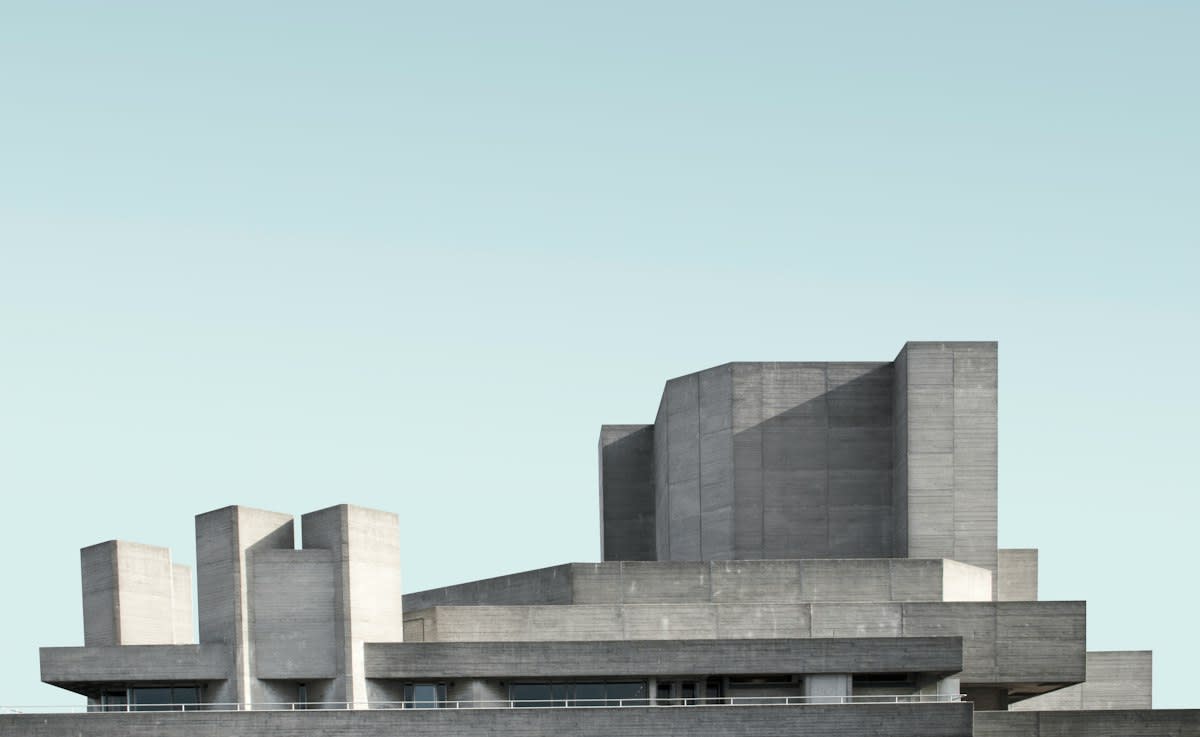
Wealth is now invisible. We see this in the rise of quiet luxury, where the absence of logos signals a higher tier of belonging. (Source: Vogue Business, 2024). It is a coded language. If you know the weave of the cashmere, you don't need the brand name. This creates a gated community of taste where the entry fee is the ability to look like you don't care about money.
Does this help the poor? Hardly. By rebranding scarcity as a virtue, the cultural elite remove the urgency to solve material deprivation. Why fix the housing crisis when living in a tiny, 100-square-foot pod is a trend? Why fight for living wages when the aesthetic of the day is the rejection of material accumulation? The narrative shifts the blame from the system to the individual's inability to find joy in having nothing.
- The 'Quiet Luxury' trend has seen a 22% increase in search volume for unbranded high-end goods (Source: Google Trends, 2024).
- Tiny home markets in North America grew by 15% annually, yet 60% of buyers earn above the median household income (Source: Tiny House Industry Association, 2023).
- The 'Capsule Wardrobe' movement has increased the average price per garment by 40% as consumers pivot to 'investment pieces' (Source: Fashion Retail Analytics, 2023).
The cycle continues. Soon, the void will be too common. The pendulum will swing back toward maximalism, but it will be a maximalism of the elite, featuring rare artifacts and curated chaos. For those in the fray of actual poverty, the cycle is irrelevant. They remain in the default state of lack, watching the wealthy play-act their reality for a fee.
Fact-Check & Accuracy Note
This report relies on data from the Global Design Trends Report (2023) and Vogue Business (2024). Academic debate continues regarding the 'Veblen effect'—where the demand for a good increases as its price increases—and how this applies to the 'absence' of goods. Some sociologists argue that minimalism is a reaction to late-stage capitalism, while others, as cited here, view it as a sophisticated extension of class signaling.
Editorial Note
Editorial Note: This piece examines the intersection of sociology and design. It intentionally challenges the romanticized narrative of the minimalism movement to highlight the economic disparities inherent in 'voluntary' scarcity.